
Hardware vs Software Product Development: Key Differences Explained

Every great product starts as an idea, but the road from concept to market looks very different depending on whether you're building hardware or software. A mobile app can launch in weeks and be updated overnight. A connected device may take 18 months to develop and cannot be easily changed once it’s in a customer's hands.
These differences shape everything: your budget, your timeline, your team, and your risk exposure. For founders and business leaders, understanding them early is the difference between a smooth launch and an expensive lesson.
For a broader view of how any product moves from concept to launch, see our guide to the complete product development process.
In this guide, we'll break down how hardware and software development compare across cost, speed, flexibility, and risk, so you can make the right call for your product.
What Is Hardware Product Development?
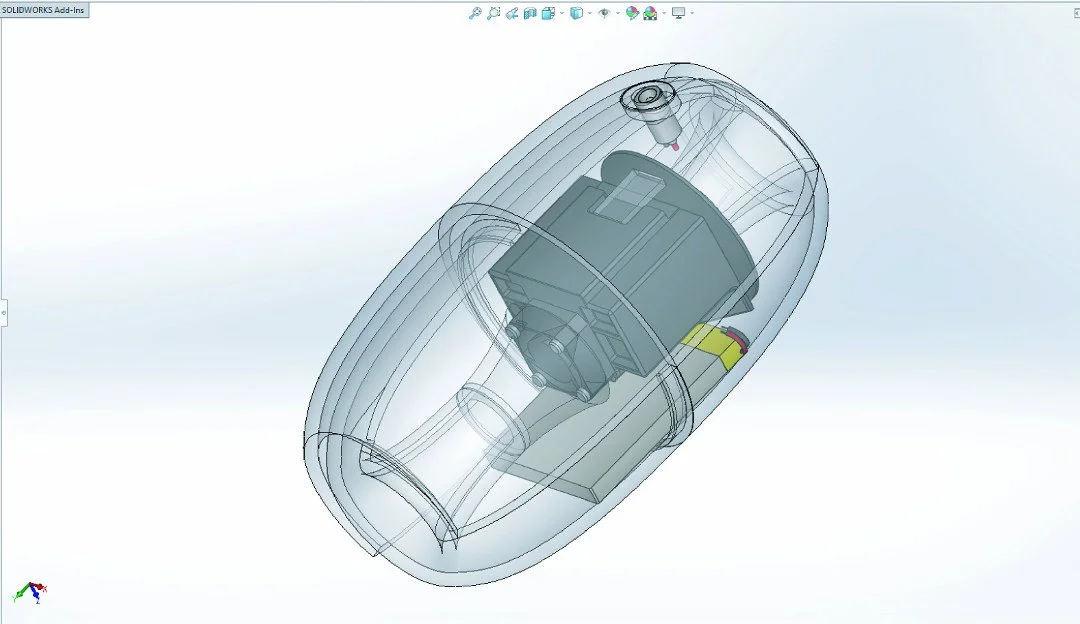
Hardware product development is the process of designing, engineering, and manufacturing a physical product that customers can hold, use, or install. It combines mechanical design, electronic engineering, firmware, and sustainable manufacturing into a single, tangible outcome.
The process typically moves through six core stages: concept, design, prototyping, testing, manufacturing, and distribution.
Hardware development spans a wide range of industries. A few familiar examples include:
Consumer electronics like wireless earbuds, smart speakers, and fitness and sport trackers
IoT devices such as smart thermostats, connected security cameras, and asset trackers.
Medical devices, including wearable heart monitors, emergency devices for elders, insulin pumps, and diagnostic imaging tools
What ties all of these together is their physical nature. Once a hardware product ships, you can't push a patch to fix a bent connector or a failing sensor, which is why the stakes of getting it right the first time are so high.
What Is Software Product Development?
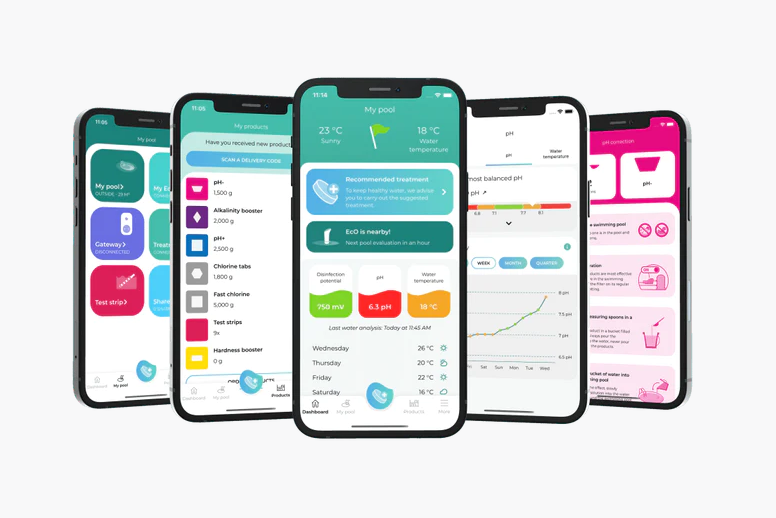
Software product development is the process of designing, coding, testing, and deploying digital applications that run on computers, phones, browsers, or cloud infrastructure. Unlike hardware, the final product is made entirely of code, which means it can evolve long after launch.
The typical software lifecycle follows six stages: planning, design, development, testing, deployment, and ongoing updates. Modern teams often run these stages in overlapping sprints rather than strict sequences, allowing them to release features quickly and refine them based on real user feedback.
Common examples of software products include:
Mobile apps like ride-sharing platforms, mobile banking tools, fitness trackers' companion apps, and IoT sensor control applications.
SaaS platforms such as customer relationship management (CRM) systems, project management tools, accounting software, and monitoring software.
Web apps including e-commerce storefronts, online learning platforms, collaborative document editors, and online travel planners.
Many modern software products are designed to support connected IoT devices and real-time device management.
The defining trait of software is its intangible, update-driven nature. A single deployment can reach millions of users instantly, and issues discovered after launch can often be patched in hours, which fundamentally changes how teams manage risk and plan for iteration.
Key Differences Between Hardware and Software Development
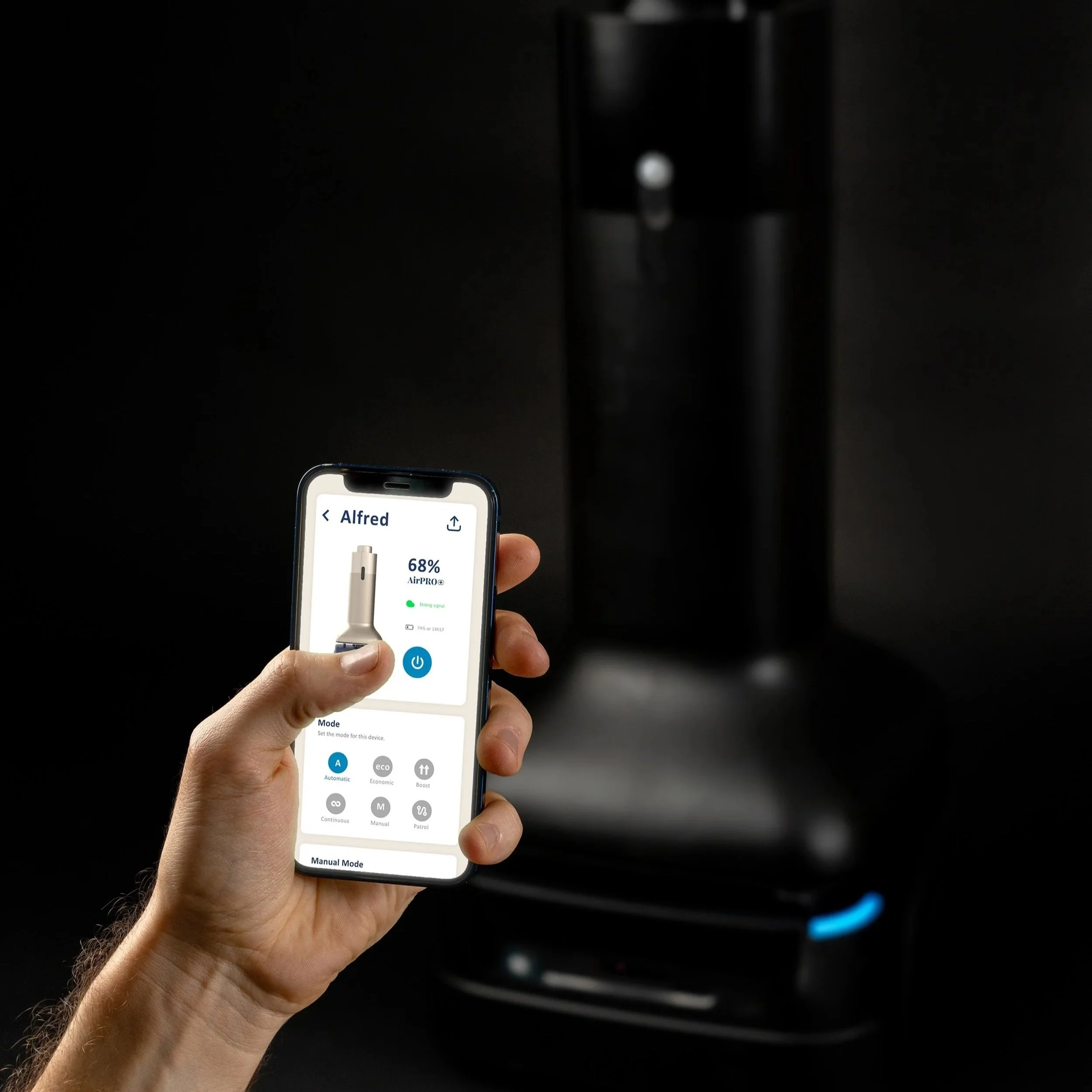
While both paths aim to deliver a successful product, the mechanics of getting there look almost nothing alike.
Hardware is defined by physical constraints, long lead times, and one-shot manufacturing decisions. Software, by contrast, is defined by speed, flexibility, and the ability to improve continuously after launch.
The table below highlights how the two disciplines compare across the factors that matter most to founders and decision-makers.
| Factor | Hardware Development | Software Development |
|---|---|---|
| Development Speed | Months to years | Weeks to months |
| Upfront Cost | High (tooling, prototypes, components) | Lower (mostly labor-based) |
| Iteration Flexibility | Limited once manufactured | High, continuous updates possible |
| Risk Level | High (physical + supply chain) | Moderate (most issues are fixable) |
| Team Composition | Multidisciplinary (mechanical, electrical, firmware) | Primarily developers and designers |
| Testing Approach | Physical, functional, environmental | Automated tests, user testing |
| Post-Launch Changes | Expensive and slow (recalls, revisions) | Fast and low-cost (patches, updates) |
| Distribution | Physical logistics, inventory | Digital deployment |
The biggest takeaway is this: hardware demands that you get it right before launch, while software lets you get it right after.
That single difference ripples through every decision you'll make, from how much capital you raise to how you structure your team and how you handle customer feedback once your product is in the wild.
Development Timelines: Hardware vs Software
One of the starkest contrasts between hardware and software is how long it takes to go from idea to customer. Hardware timelines are measured in months and years. Software timelines are measured in weeks and months.
Why Hardware Takes Longer
Hardware development is shaped by physical realities that software simply doesn't face. Prototyping often requires multiple iterations, with each round of 3D-printed or machined parts taking weeks to produce and evaluate. Once the design is locked, tooling for injection molds, PCBs, and enclosures can add another two to three months before mass production even begins.
Then come manufacturing lead times, which depend on component availability, factory capacity, and shipping logistics. Many hardware products also need formal certifications, such as FCC (Federal Communications Commission) approval in the U.S. or CE (Conformité Européenne) marking in Europe, which can add weeks or months to the schedule.
Why Software Moves Faster
Software teams operate in iterative sprints, typically one to two weeks long, shipping improvements continuously rather than waiting for a single big launch. With continuous deployment pipelines, a change can go from a developer's laptop to a live product in minutes.
A practical comparison: a SaaS MVP can often go from concept to paying users in 3–6 months, while a connected hardware device typically requires 12–24 months before it's ready for retail shelves. That time gap isn't inefficiency; it's the cost of building something real, durable, and compliant.
Cost Comparison: Upfront vs Ongoing Investment
Hardware and software don't just cost different amounts; they cost in fundamentally different ways. Understanding this shift is critical when you're planning your budget, fundraising strategy, or cash flow.
Hardware development is front-loaded. Early investment often includes engineering, prototyping, tooling, and manufacturing planning services. Most of the capital gets spent before you sell a single unit, covering engineering work, multiple rounds of prototypes, tooling, certifications, and an initial production run. You also need working capital tied up in inventory, which creates real cash flow pressure, especially for early-stage companies.
Software shifts the cost curve toward ongoing operations. Initial builds are largely a function of engineering labor, and once launched, the real spend moves to cloud hosting, security patches, feature development, customer support, and infrastructure scaling. These costs grow with your user base rather than arriving in a single upfront wave.
This also shapes unit economics. Hardware companies earn revenue per unit sold, with margins squeezed by component, assembly, and logistics costs. Software companies often rely on recurring revenue models like subscriptions, where each new customer adds predictable, high-margin income with minimal incremental cost. Neither model is better, but they reward very different strategies and investor expectations.
Risks and Challenges
Every product carries risk, but the type of risk you face depends heavily on what you're building. Hardware risks tend to be physical, financial, and hard to reverse. Software risks are more often digital, operational, and fixable.
Hardware Risks
Manufacturing defects and yield issues: Even a small flaw in a production run can scrap thousands of units or trigger expensive rework.
Supply chain disruptions and component shortages: A single unavailable chip can stall an entire product launch, as many companies learned during recent global shortages.
Regulatory compliance and certification delays: Missing a requirement for FCC, CE, UL, or medical certifications can push timelines back by months and block market entry entirely.
Cost of recalls or design flaws post-launch: A defective product in customers' hands can mean mass recalls, replacement logistics, reputational damage, and legal exposure.
Software Risks
Bugs and security vulnerabilities: A single exploit can expose user data, trigger compliance penalties, and erode customer trust overnight.
Scalability and performance issues: Applications that work perfectly with 1,000 users can buckle under 100,000, requiring costly architectural rework.
Platform or API dependencies: Changes to third-party services, app stores, or operating systems can break core functionality with little warning.
User adoption and retention: Because switching costs are low, even well-built software can fail if users don't find it intuitive, valuable, or sticky enough to return.
The common thread is that hardware risks often require you to prevent problems before launch, while software risks require you to respond quickly after launch. Both demand rigorous planning, but the playbooks look very different.
Team and Skillset Differences
The team you need for product development is directly tied to what you're building, and hardware teams look very different from software teams.
| Team Type | Role | Responsibility |
|---|---|---|
| Hardware | Mechanical Engineers | Enclosures and structural design |
| Hardware | Electrical Engineers | Circuit boards and power systems |
| Hardware | Firmware Developers | Write low-level code that controls the device |
| Hardware | Industrial Designers | Shape user experience and aesthetics |
| Hardware | Supply Chain Specialists | Manage sourcing, vendor relationships, and manufacturing logistics |
| Software | Front-End Developers | Build user interfaces |
| Software | Back-End Developers | Manage servers and databases |
| Software | DevOps Engineers | Manage deployment and infrastructure |
| Software | QA Engineers | Testing |
| Software | UX Designers | Shape how users experience the product |
Key Distinction
| Aspect | Hardware Teams | Software Teams |
|---|---|---|
| Nature | Inherently multidisciplinary | More concentrated around code |
| Scope | Spans physical, electrical, code, design, and logistics domains | Primarily focused on software development lifecycle |
| Core Challenge | Coordinating diverse specialties across physical and digital domains | Coordinating specialized coding and design roles |
The implications are significant. Hardware projects are harder to staff, harder to outsource cleanly (because disciplines must stay tightly coordinated), and more complex to project-manage across overlapping timelines.
Software projects are easier to scale up or down with freelance or agency talent, and teams can often iterate without the handoff bottlenecks that define hardware development.
When Hardware and Software Meet: The Rise of Connected Products

The line between hardware and software has blurred dramatically in the last decade. Today, most modern hardware isn't just hardware. It's a combination of physical components, embedded firmware, mobile apps, and cloud services working together as one product experience.
Think about a smart thermostat: the device itself is sophisticated hardware, but the value comes from the mobile app, the learning algorithms, and the cloud platform that ties it all together.
The same is true for wearables like fitness bands and smartwatches, and for connected industrial equipment used in manufacturing, logistics, and energy monitoring. In every case, the customer doesn't see hardware or software. They see one product.
This convergence demands a blend of expertise that generalist teams rarely have in-house. Building a connected product well means coordinating mechanical design, electrical engineering, embedded firmware, mobile and web applications, cloud infrastructure, data security, and regulatory compliance, all at the same time. A gap in any one of these areas can compromise the entire product.
That's why specialized partners matter. When hardware complexity meets software sophistication, you need a team that speaks both languages fluently and has delivered integrated products end-to-end.
Building a connected product? Tektos Ecosystems specializes in end-to-end hardware engineering with integrated software expertise. Learn more about our approach.
Which One Is Right for Your Business?
There's no universal answer. The right path depends on what your product actually does, how much time and capital you have, and what kind of business you want to build. Here's a simple framework to help you think it through.
Choose hardware if:
Your product must physically exist to solve the problem (sensors, medical devices, consumer electronics).
You have access to the capital and timeline required for prototyping, tooling, and manufacturing.
Your competitive advantage depends on a tangible experience competitors can't replicate with code alone.
Choose software if:
Your product can deliver its core value digitally through apps, platforms, or services.
You need to reach the market quickly, gather feedback, and iterate rapidly.
You're pursuing a recurring-revenue model with room to scale without manufacturing constraints.
Choose both if:
Your product's value only emerges when a physical device and digital experience work together (smart home, wearables, connected industrial equipment).
You're entering a category where customers already expect connectivity, data insights, or remote control.
You want a defensible product that's harder for pure-software or pure-hardware competitors to copy.
The reality is that many of today's most successful products are hybrids. Understanding the strengths and trade-offs of each path is the first step. The next step is finding the right team to execute on it.
Hardware development is complex, but the right partner makes all the difference. If you're ready to bring a physical or connected product to life, talk to our team about your project.
Frequently Asked Questions
-
Yes, hardware development is typically more expensive upfront. It requires spending on prototypes, tooling, components, certifications, and initial inventory before earning any revenue. Software costs are usually lower at launch but grow over time through hosting, security, and continuous updates, shifting the spending curve rather than eliminating it.
-
Absolutely, and most modern hardware products do. Devices like smart thermostats, wearables, and connected appliances rely on embedded firmware, mobile apps, and cloud services to deliver their value. This combination, often called a connected product, requires tightly integrated hardware and software expertise working together from day one.
-
Software launches significantly faster. A software MVP can often reach users in 3 to 6 months, while a new hardware product typically requires 12 to 24 months due to prototyping, tooling, manufacturing, and certifications. Software's speed advantage also extends post-launch, since updates ship instantly rather than requiring new physical production runs.
-
Hardware development requires mechanical, electrical, and firmware engineers, industrial designers, and supply chain specialists working together. Software development relies on front-end, back-end, DevOps, QA, and UX specialists. Hardware teams are more multidisciplinary and harder to coordinate, while software teams concentrate around code and can often scale up or down more flexibly.
-
Yes, but only specialized teams with integrated expertise can do it well. Most generalist agencies focus on either hardware or software, not both. Building connected products successfully requires a partner fluent in mechanical design, electronics, firmware, cloud infrastructure, and app development, with proven experience coordinating all of them within a single product.
-
Start with your product's core value. If the problem requires a physical presence, choose hardware. If it can be solved digitally, choose software. If customers expect a connected experience combining both, you'll need an integrated approach. Your budget, timeline, and long-term business model should also shape the decision.
-
A software product MVP typically takes 3 to 6 months to build and launch, with continuous updates afterward. A hardware product usually takes 12 to 24 months due to prototyping, tooling, manufacturing, and certifications like FCC or CE. Connected products that combine both often land at the longer end of this range.