
Complete Product Development Process: From Idea to Launch (2026 Guide)

Turning a product idea into a market-ready solution is one of the most challenging—and rewarding journeys a business can take. Whether you're a startup founder with a breakthrough concept or an established company launching a new product line, success depends on more than just a great idea. It requires a clear roadmap, disciplined execution, and the ability to navigate complex technical and business decisions at every stage.
Yet many product launches fail not because the idea was flawed, but because teams lacked a structured approach. Without a proven framework, companies waste resources on unnecessary features, miss critical validation steps, or discover manufacturing problems too late to fix affordably.
That's where a well-defined product design and engineering process becomes essential.
A structured development process reduces risk, aligns stakeholders, and ensures you're building something people actually want—before you invest heavily in production. It transforms uncertainty into confidence and ideas into products that perform in the real world.
In this comprehensive guide, we'll walk you through the complete product development process from initial concept to successful market launch. You'll learn the five core stages every product must go through, common pitfalls to avoid, and practical strategies to accelerate your time-to-market while controlling costs.
Whether you're developing hardware, IoT devices, or consumer products, this guide will give you the clarity and framework you need to move forward with confidence.
What Is Product Development?
The product development is a structured framework that takes a product from idea to market launch. It typically includes stages such as ideation, research, design, prototyping, testing, and commercialization.
In simple terms, it follows these steps:
Idea Validation and Market Research
Concept Development and Industrial Design
Engineering and Prototyping
Testing and Refinement
Manufacturing and Scaling
This process helps teams reduce risk, align stakeholders, and build products that meet real customer needs.
Why the Product Development Process Matters?
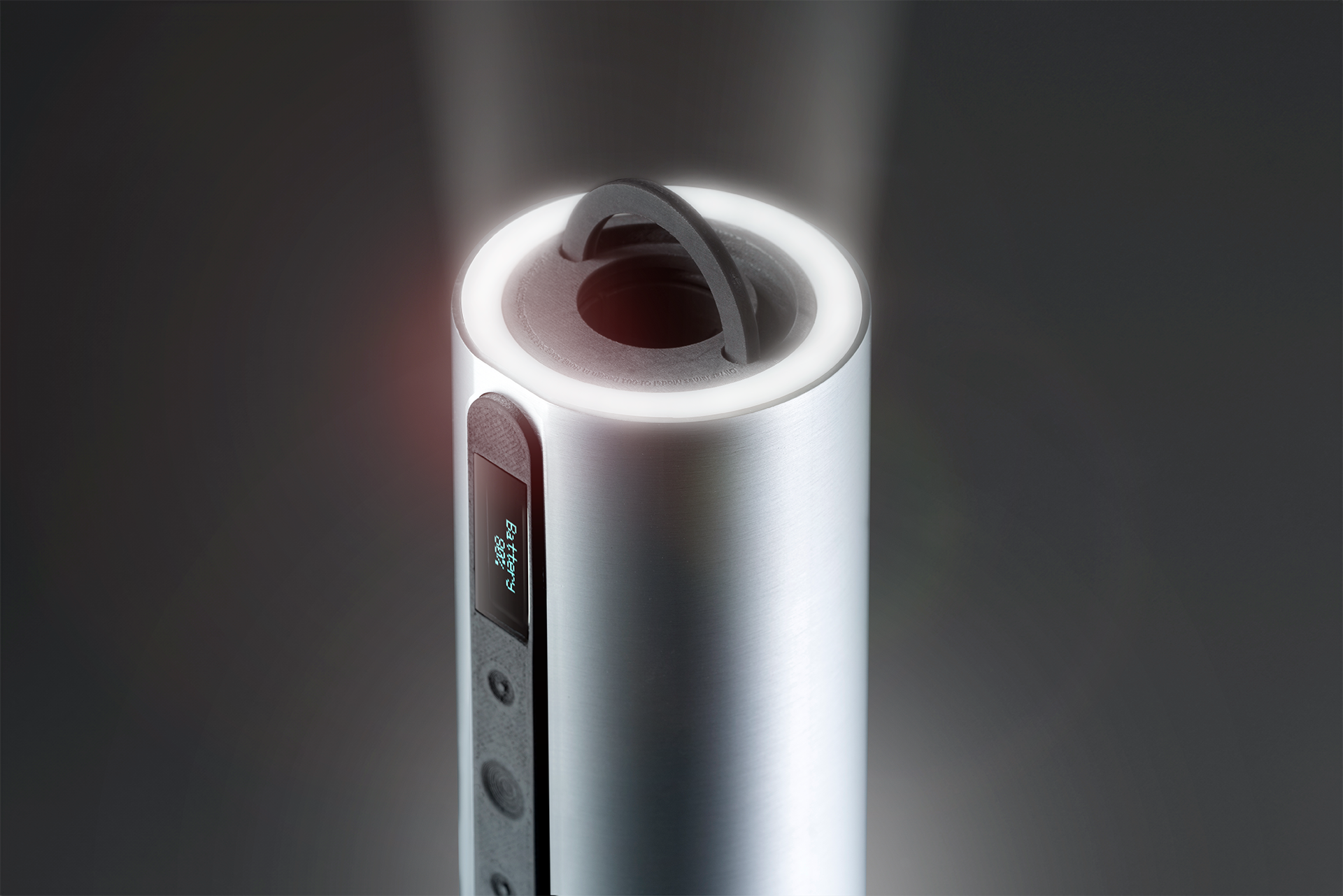
A well-defined product development process helps businesses:
Reduce costly mistakes
Validate ideas before investing heavily
Improve product-market fit
Speed up time to market
Align cross-functional teams
Without a structured development process, products often fail due to poor planning or lack of user validation.
The 5 Stages of the Complete Product Development Process
Stage 1: Idea Validation and Market Research
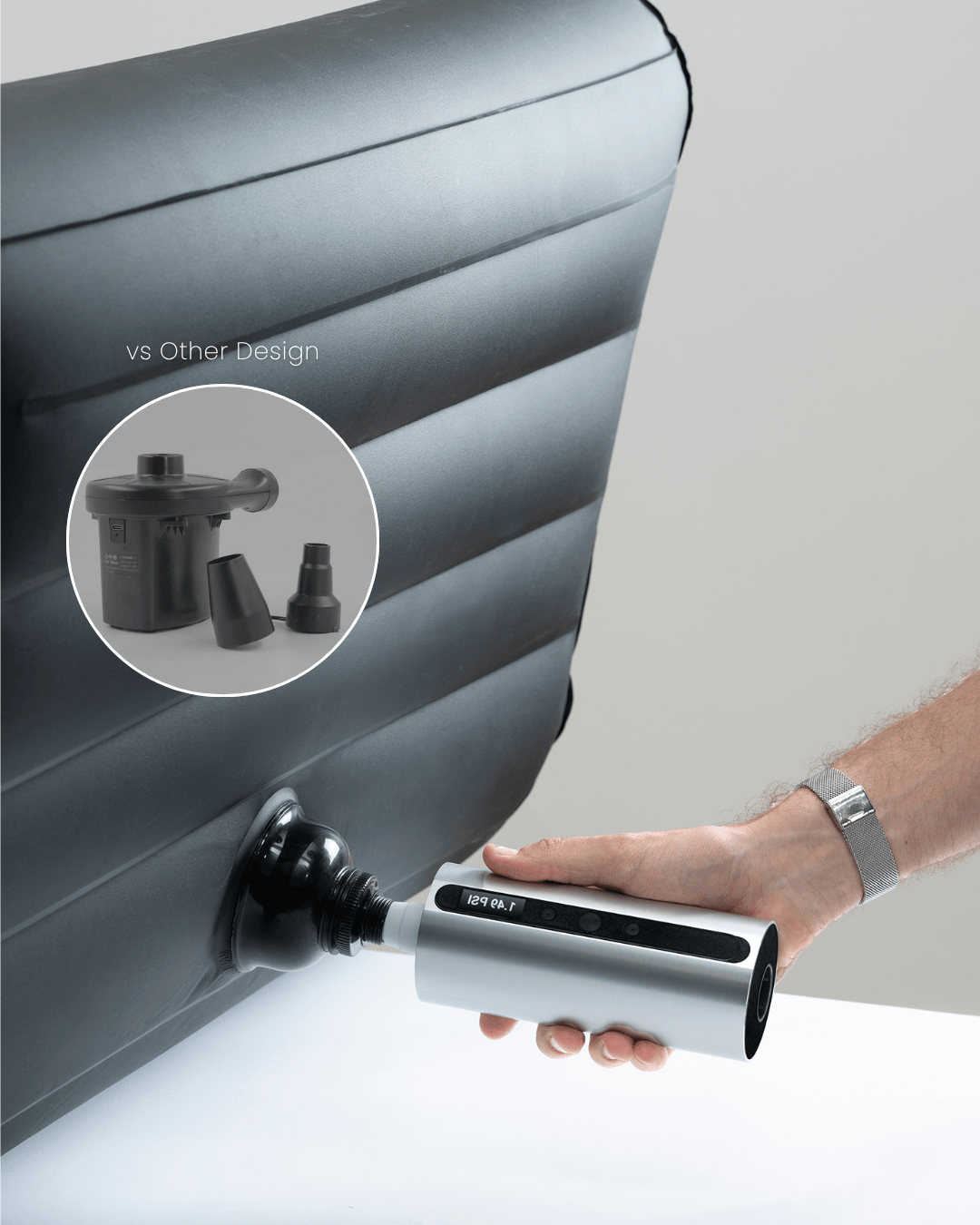
The first stage of hardware product development focuses on confirming whether an idea is worth building. This includes:
Identifying Real User Problems: Successful products address clear pain points. Tektos begins by mapping the target user journey, identifying frustrations, and validating assumptions with real data. This avoids building features or hardware that users don’t need.
Competitive Analysis: A thorough market analysis reveals what already exists, how competitors position their products, and gaps your product can fill. Understanding the competitive landscape also guides early pricing expectations and feature differentiation.
Feasibility Checks: Technical, financial, and operational feasibility must be confirmed early. Tektos evaluates whether the concept can be engineered with available technologies, what components are required, and how the idea aligns with realistic development budgets and manufacturing costs.
Stage 2: Concept Development and Industrial Design
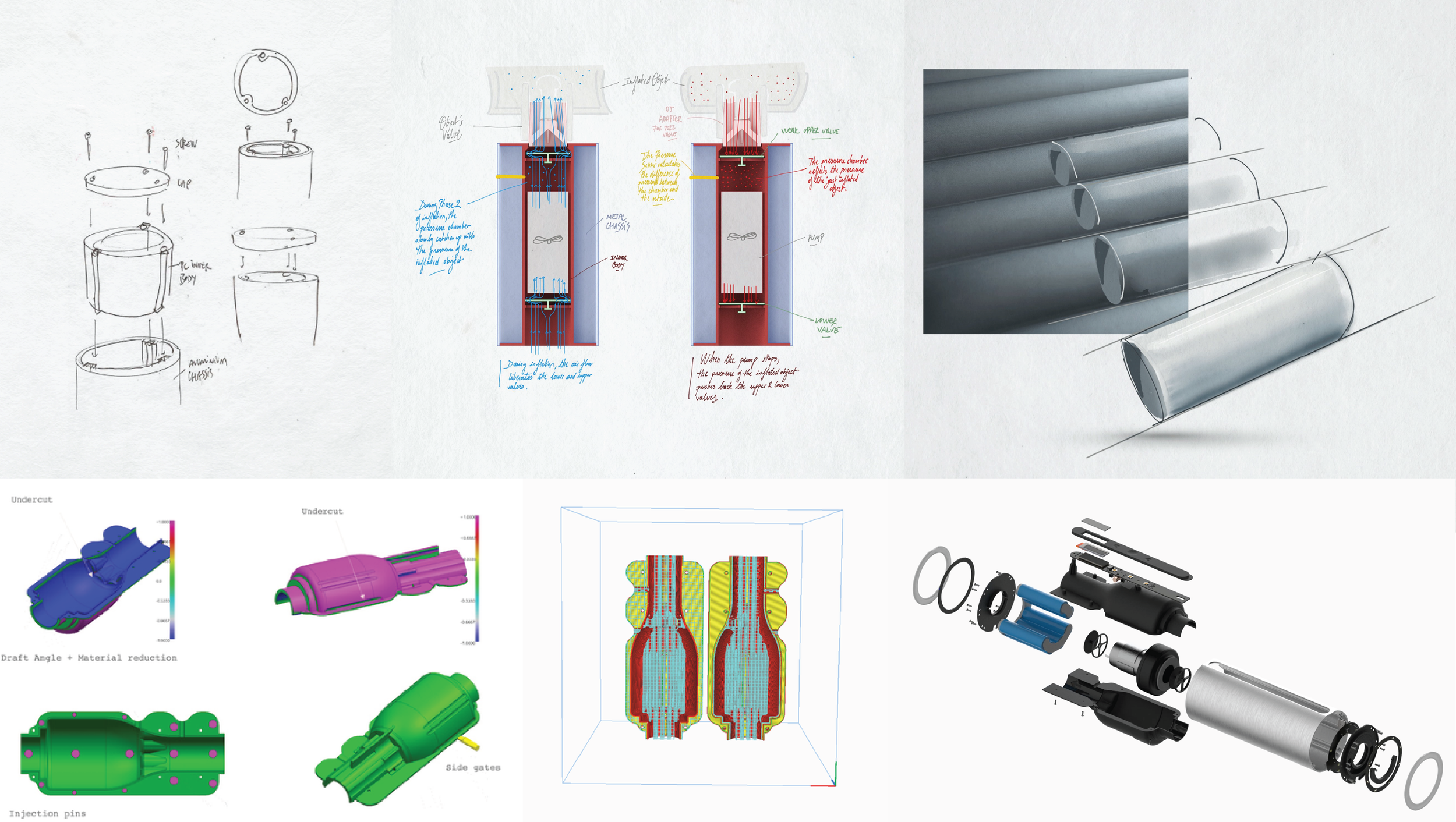
Once the idea is validated, the next step is transforming it into a structured product concept.
Sketching and Concept Modeling: Industrial design teams create initial sketches, 3D concept models, and aesthetic explorations to visualize how the product could look and function. This process requires industrial design and mechanical engineering integration to ensure the physical identity of the hardware takes shape with manufacturability in mind.
UX Considerations: UX is not limited to digital interfaces—it includes ergonomics, material choices, interaction points, and user safety. Tektos ensures the product is intuitive and optimized for real-world usage from day one.
Early Design Decisions That Impact Cost: Choices made at this stage—materials, complexity of geometry, enclosure design, part count—directly influence tooling investment, assembly time, and long-term manufacturing costs. Tektos prioritizes cost-awareness early, ensuring each decision supports future scalability.
Stage 3: Engineering and Prototyping
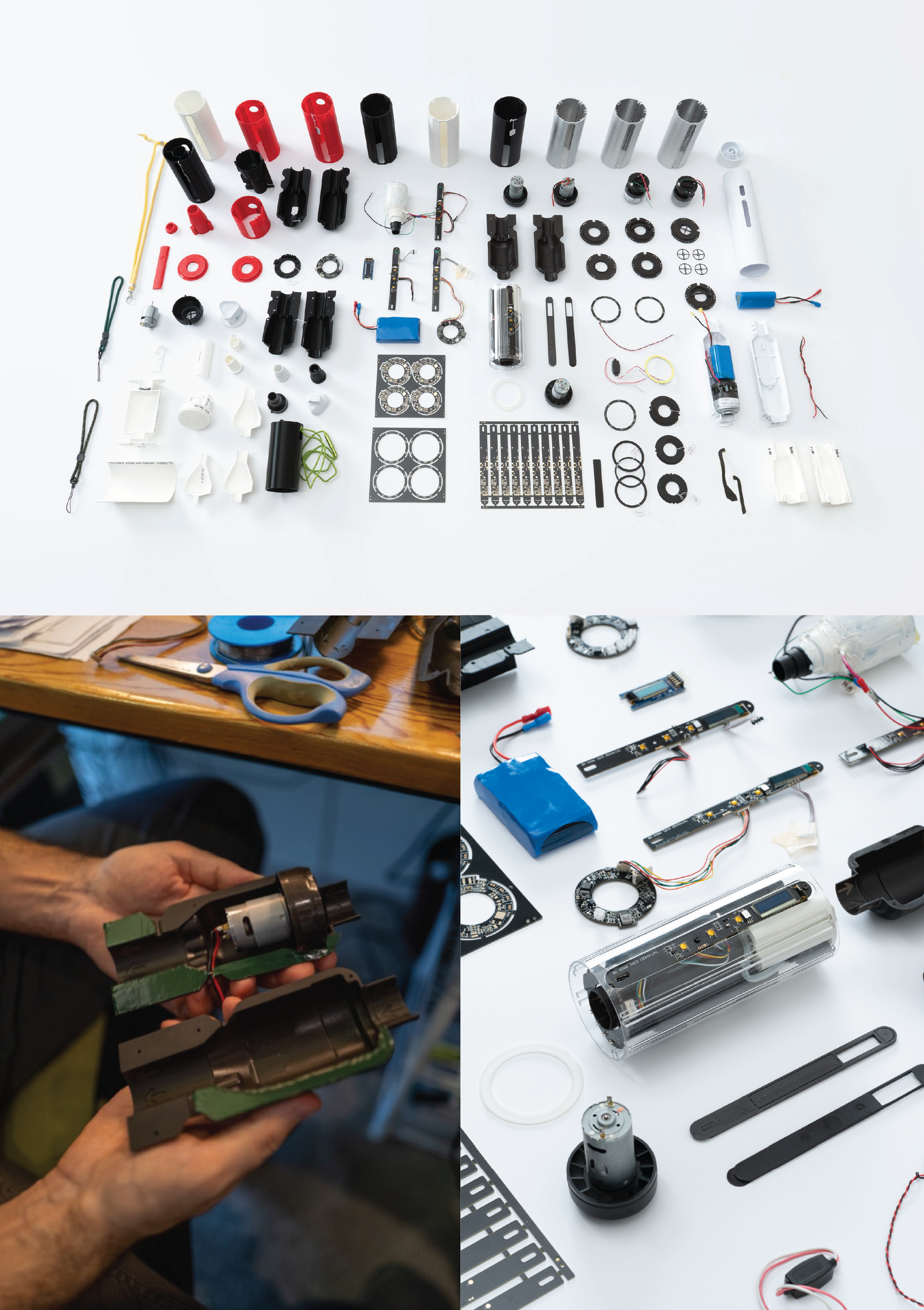
This stage transforms the concept into an engineered product ready for validation.
Mechanical + Electrical Engineering Integration: True hardware innovation requires seamless collaboration between mechanical engineering, electronic engineering, firmware, and embedded engineering teams. Tektos specializes in full-stack engineering and prototype validation to ensure all subsystems work together flawlessly.
Rapid Prototyping Methods: Teams move quickly through prototypes using 3D printing, CNC machining, PCB fabrication, and development kits. Rapid prototyping allows engineers to test assumptions, verify ergonomics, evaluate electronics layouts, and measure performance early.
Iteration Cycles: Prototyping is not a one-time step—it involves multiple rounds of building, testing, learning, and improving. Tektos uses structured iteration cycles to refine designs faster and minimize downstream risks.
Stage 4: Testing and Refinement
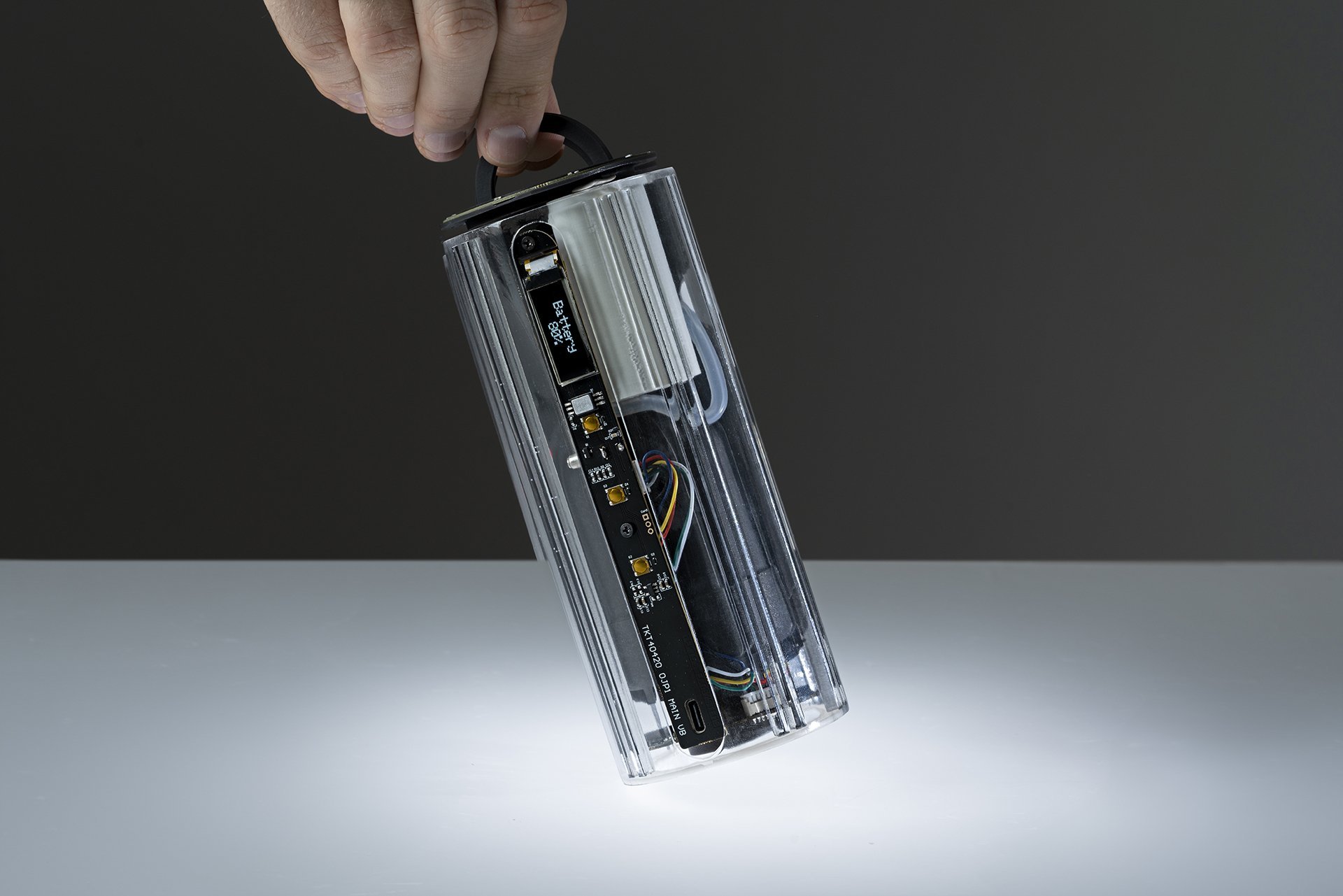
Before any transition from prototype to production, extensive testing ensures the product is robust, safe, and user-approved.
Functional Testing: Engineers verify electronics behavior, structural integrity, component performance, connectivity, and battery life (if applicable). This ensures the product meets its technical requirements.
User Testing: Real users interact with prototypes to validate usability, clarity of controls, and overall satisfaction. This feedback is essential for refining both hardware and experience.
Design Revisions: Insights from testing drive design updates—whether modifying enclosure geometry, optimizing PCB layout, or improving ergonomics. Tektos ensures revisions are strategically aligned with manufacturability and scalability.
Stage 5: Manufacturing and Scaling
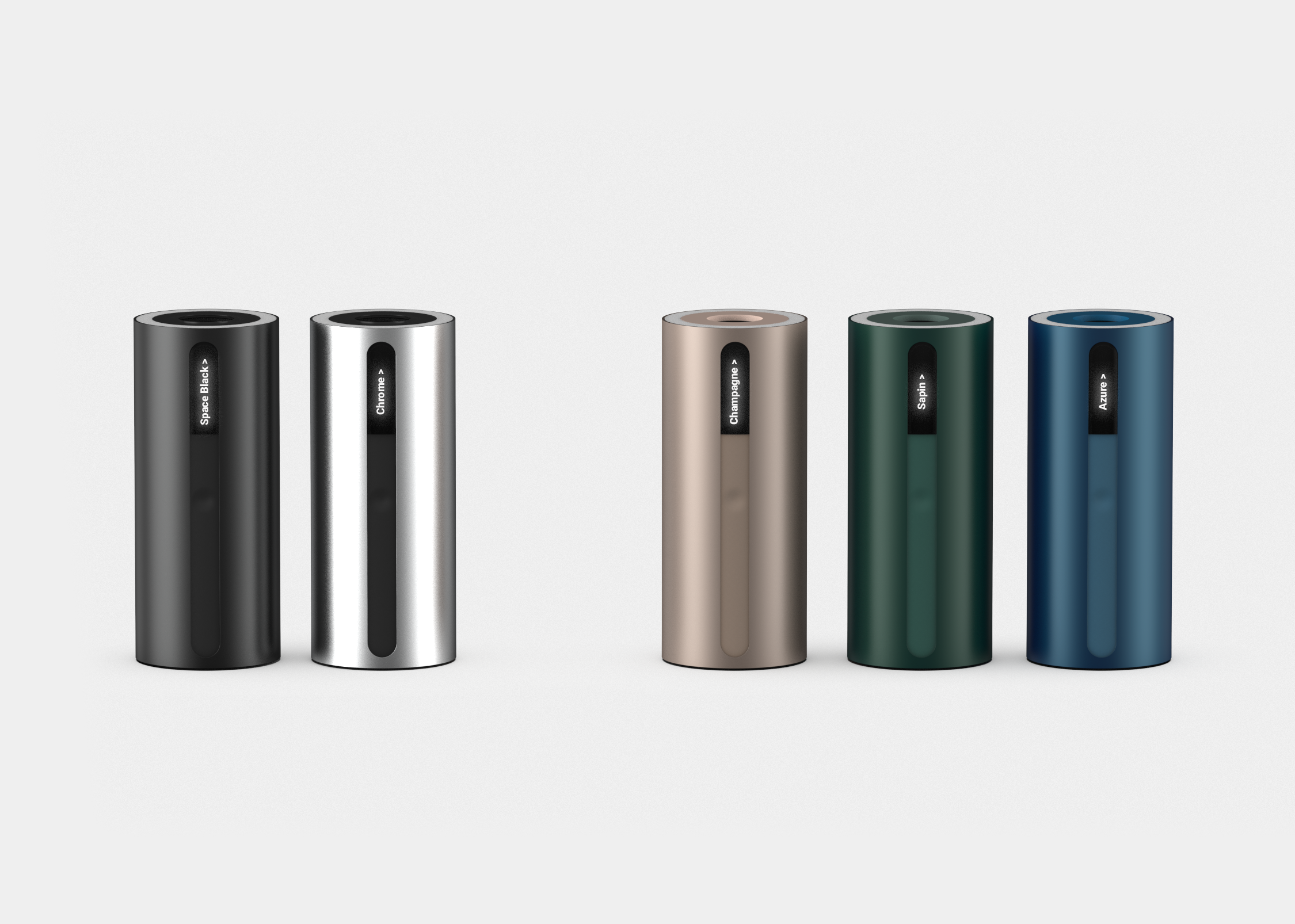
The final phase ensures the product is ready for mass production and long-term commercial success through manufacturing readiness and quality assurance. This includes:
Design for Manufacturing (DFM): Modular manufacturing through DFM is the process of refining the design so it can be manufactured efficiently, reliably, and cost-effectively Tektos eliminates unnecessary complexity, reduces part counts, and prepares manufacturing documentation.
Supplier Sourcing: Partnering with qualified factories is essential. Tektos works with vetted suppliers for plastics, metals, PCB assembly, packaging, and final assembly—ensuring quality and consistent lead times.
Quality Assurance: QA processes include incoming quality checks, in-line inspection, stress testing, and final functional tests. This ensures every unit that reaches customers meets the expected performance and safety standards.
For a detailed breakdown, see our 5-stage guide.
Product Development Process Frameworks
Different teams adapt the process using specific frameworks:
Agile – iterative development with continuous feedback
Stage-Gate – structured phases with approval checkpoints
Lean – focuses on MVP and rapid validation
Each framework follows the same core stages but varies in flexibility and speed.
Common Pitfalls in Product Development
Skipping Validation: Jumping straight into engineering without early validation is one of the most expensive mistakes in hardware product development.
Underestimating Costs: Tooling, components, compliance testing, and manufacturing overhead are often overlooked. Cost awareness must begin at the concept stage.
Poor Communication Between Teams: Hardware projects require seamless alignment between designers, engineers, suppliers, and stakeholders. Miscommunication leads to delays, rework, and unnecessary expenses.
Real-World Example of a Product Development Process
A startup developing a smart home device might:
Identify a gap in home automation
Validate demand through surveys
Design the product interface
Build a prototype
Test with early users
Launch through crowdfunding
How to Accelerate Time-to-Market
Integrated Design + Engineering Approach: When industrial designers and engineers work in silos, delays occur. Tektos Ecosystems uses an integrated approach, ensuring all disciplines collaborate from day one to speed up the entire product design lifecycle.
Agile Development Cycles: Short, iterative cycles enable teams to test early, refine quickly, and reduce risk. This agile mindset accelerates the path from prototype to production and supports faster product commercialization.
Frequently Asked Questions
-
It can take anywhere from a few months to several years depending on the product complexity, development scope, and testing requirements. Simple products may take 3–6 months, while complex hardware or software solutions can take over a year.
-
Product development focuses on building the product, while product management focuses on strategy and execution.
-
Market research and validation are often the most critical stages.
Conclusion
End-to-end product development requires expertise in ideation, engineering, testing, and large-scale manufacturing.
With a structured, data-driven approach, companies can reduce risk, control costs, and build products that stand out in the market.
Tektos provides full-service support, from idea validation to product commercialization, ensuring your hardware product moves from concept to market with confidence and efficiency.
Ready to build your product? Contact us today and partner with a full-service product development team.