
The 5 Stages of the Product Development Process Explained

Bringing a new product to life can feel overwhelming—especially for business decision-makers and early-stage companies navigating limited resources, timelines, and uncertainty. The good news? A structured product development process reduces risk, improves efficiency, and increases your chances of success.
In this guide, we break down the five essential stages of product development in a clear, practical, and non-technical way. Whether you're launching a hardware device, IoT solution, or consumer product, understanding these stages will help you make smarter decisions at every step.
At Tektos Ecosystems, we help businesses move from idea to market with a streamlined, end-to-end development approach—ensuring that every stage is handled with precision and clarity.
Overview of the 5 Stages
Here’s a quick look at the five key stages of the product development process:
Idea Validation and Market Research: Validate your idea by understanding customer needs, market demand, and competition.
Concept Development and Industrial Design: Transform your idea into a tangible concept with initial designs and product specifications.
Engineering and Prototyping: Build functional prototypes and develop the technical architecture of your product.
Testing and Refinement: Evaluate performance, usability, and reliability—then improve the product based on feedback.
Manufacturing and Scaling: Prepare for mass production and bring your product to market efficiently.
Each stage builds on the previous one, creating a strong foundation for a successful product launch.
Stage 1 – Idea Validation and Market Research
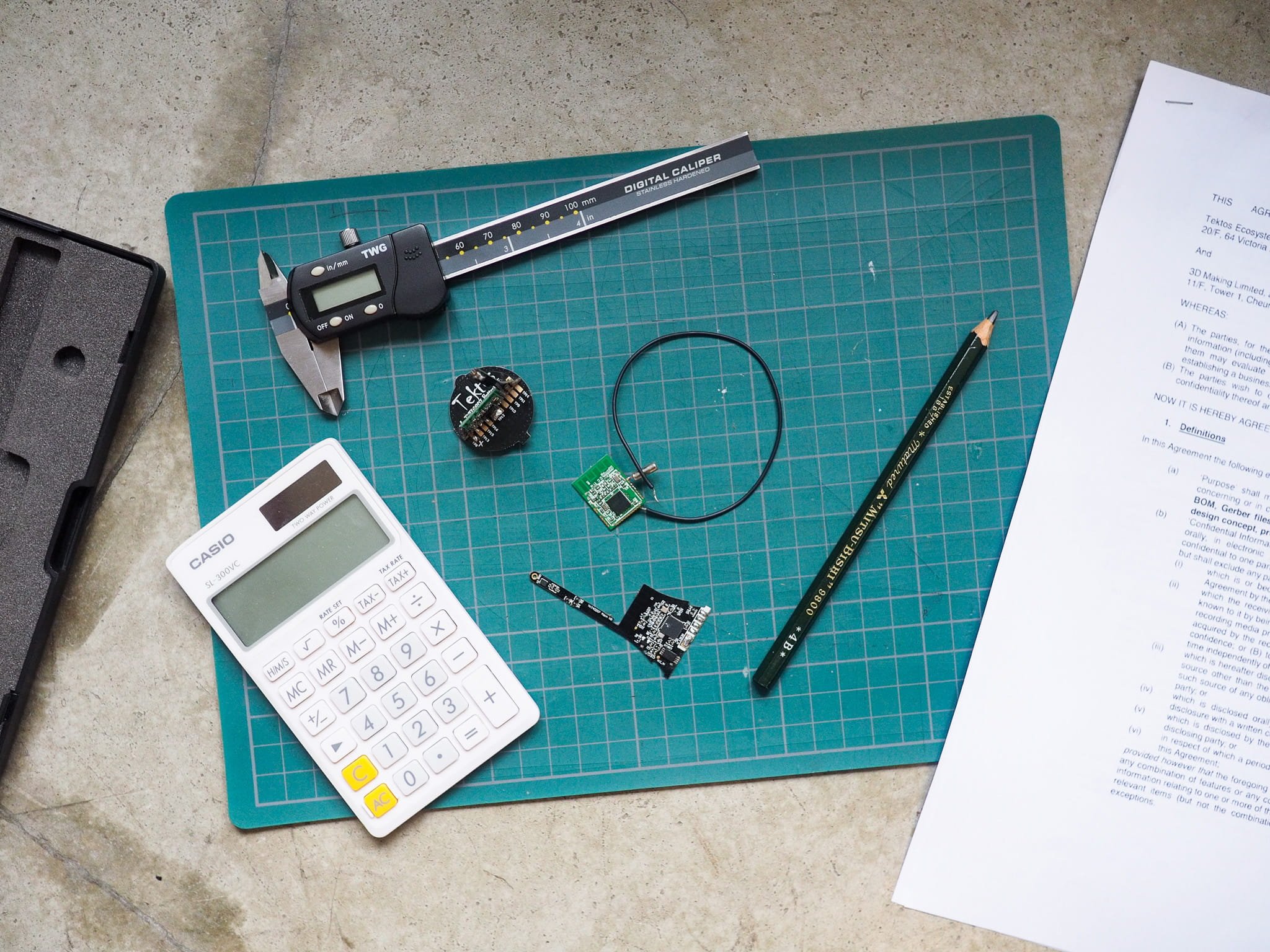
What it is
This stage focuses on determining whether your product idea is viable in the real world.
Why it matters
Skipping validation often leads to building products that no one wants. This stage helps reduce risk and ensures you're solving a real problem.
Key activities
Identifying target customers
Conducting surveys and interviews
Analyzing competitors
Estimating market size and demand
Early validation saves time, money, and effort—making it one of the most critical stages in the entire process.
Stage 2 – Concept Development and Industrial Design
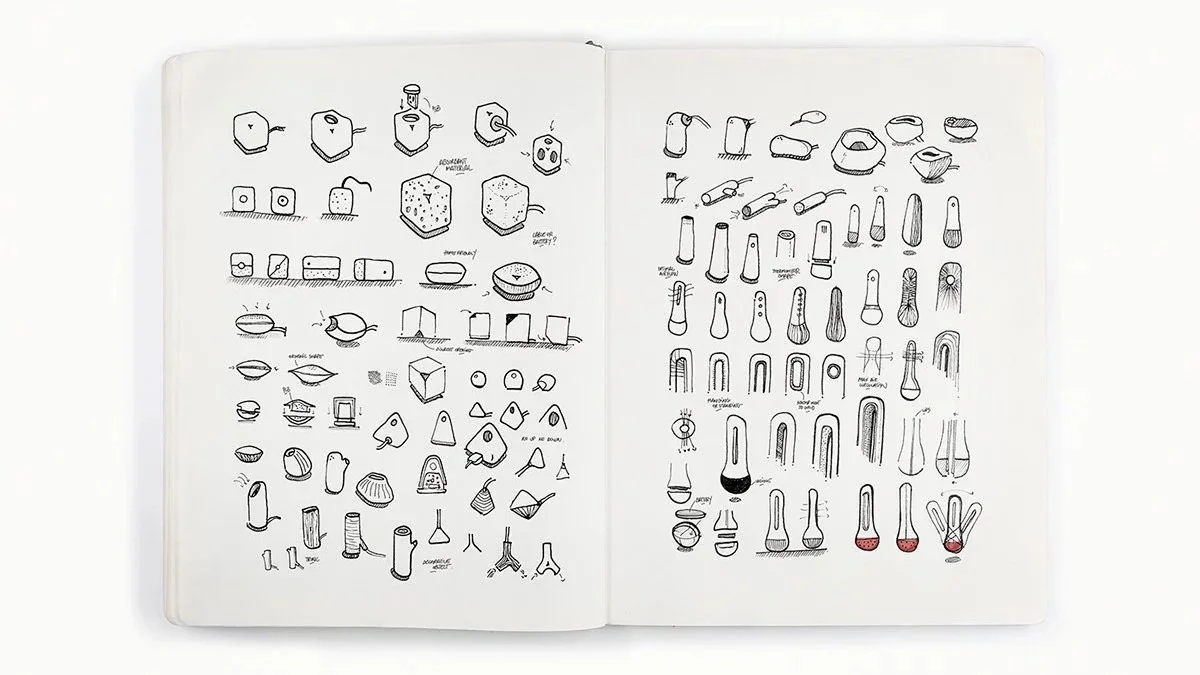
What it is
Here, your idea evolves into a visual and functional concept through industrial design, including sketches, 3D models, and initial product architecture.
At this stage, working with experienced partners who understand industrial design and engineering collaboration can help ensure your concept is both innovative and manufacturable.
Why it matters
A well-defined concept ensures alignment between stakeholders and prevents costly changes later in development.
Key activities
Creating product sketches and CAD designs
Defining materials and form factors
Designing user experience (UX) and usability
Developing product specifications
At this stage, working with experienced partners like Tektos Design can help ensure your concept is both innovative and manufacturable.
Stage 3 – Engineering and Prototyping
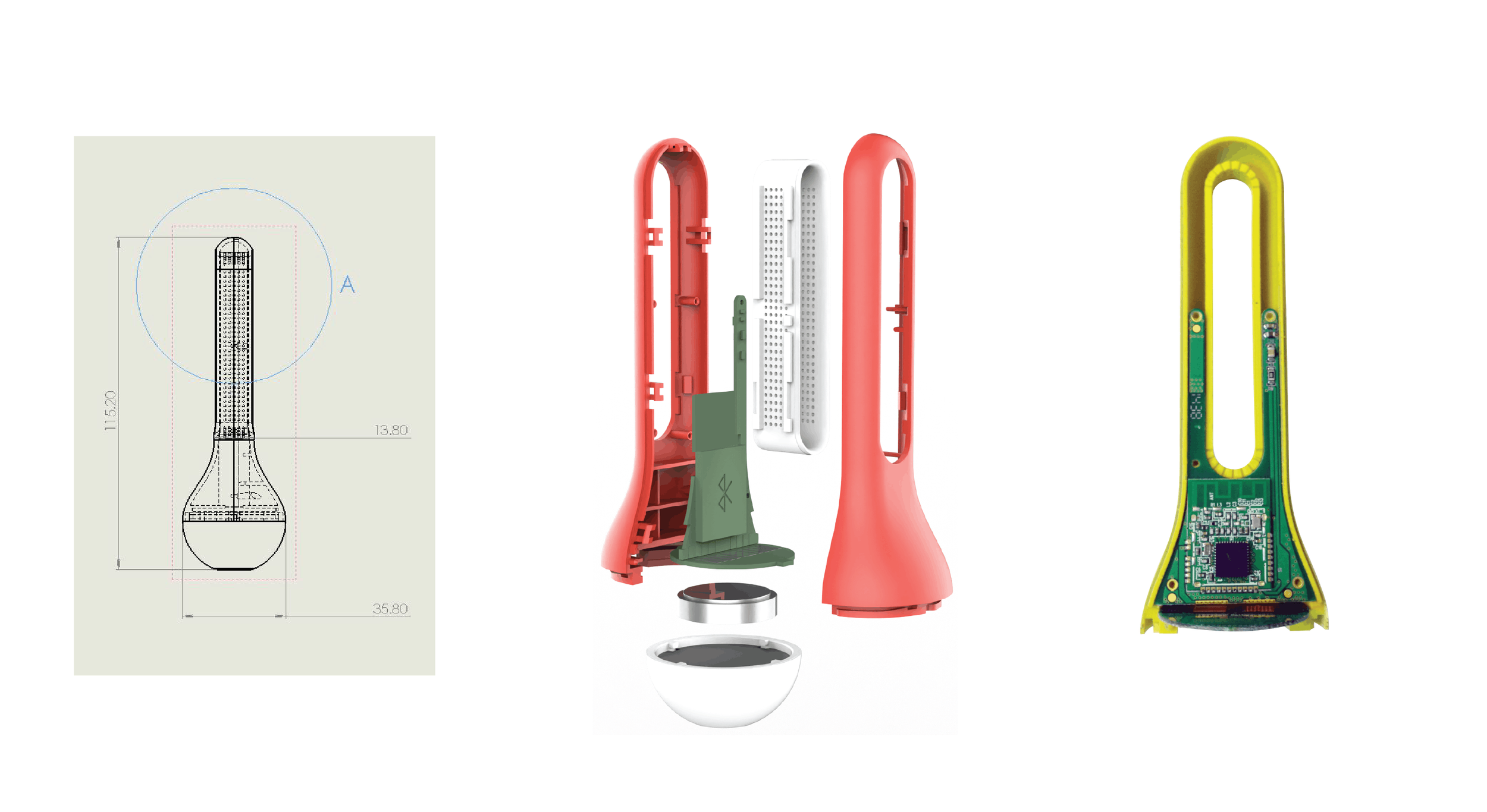
What it is
This stage involves turning your concept into a working prototype through engineering and technical development.
Through engineering validation and prototype development, you can test functionality, identify design flaws, and validate technical feasibility before full production.
Why it matters
Prototypes allow you to test functionality, identify design flaws, and validate technical feasibility before full production.
Key activities
Hardware and firmware development
Mechanical engineering and electronic engineering
Rapid prototyping (e.g., 3D printing)
Building proof-of-concept models
Prototyping bridges the gap between idea and reality, giving you something tangible to evaluate and improve.
Stage 4 – Testing and Refinement
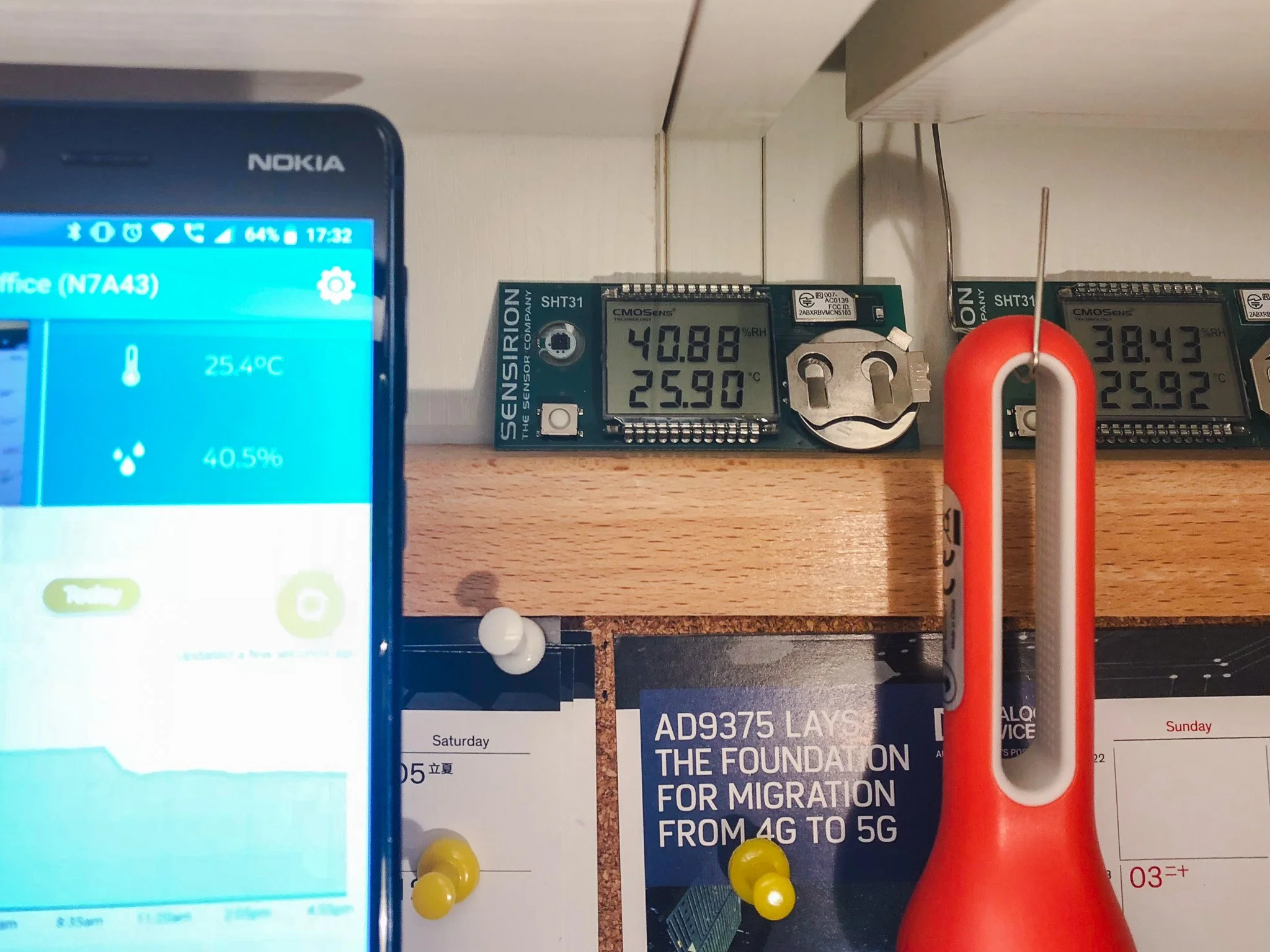
What it is
This stage focuses on evaluating your prototype and refining it based on real-world performance and user feedback.
Why it matters
Testing ensures your product meets quality standards, performs reliably, and delivers a strong user experience.
Key activities
Functional and performance testing
User testing and feedback collection
Design improvements and iterations
Compliance and safety checks
This is where good products become great—through continuous improvement and attention to detail.
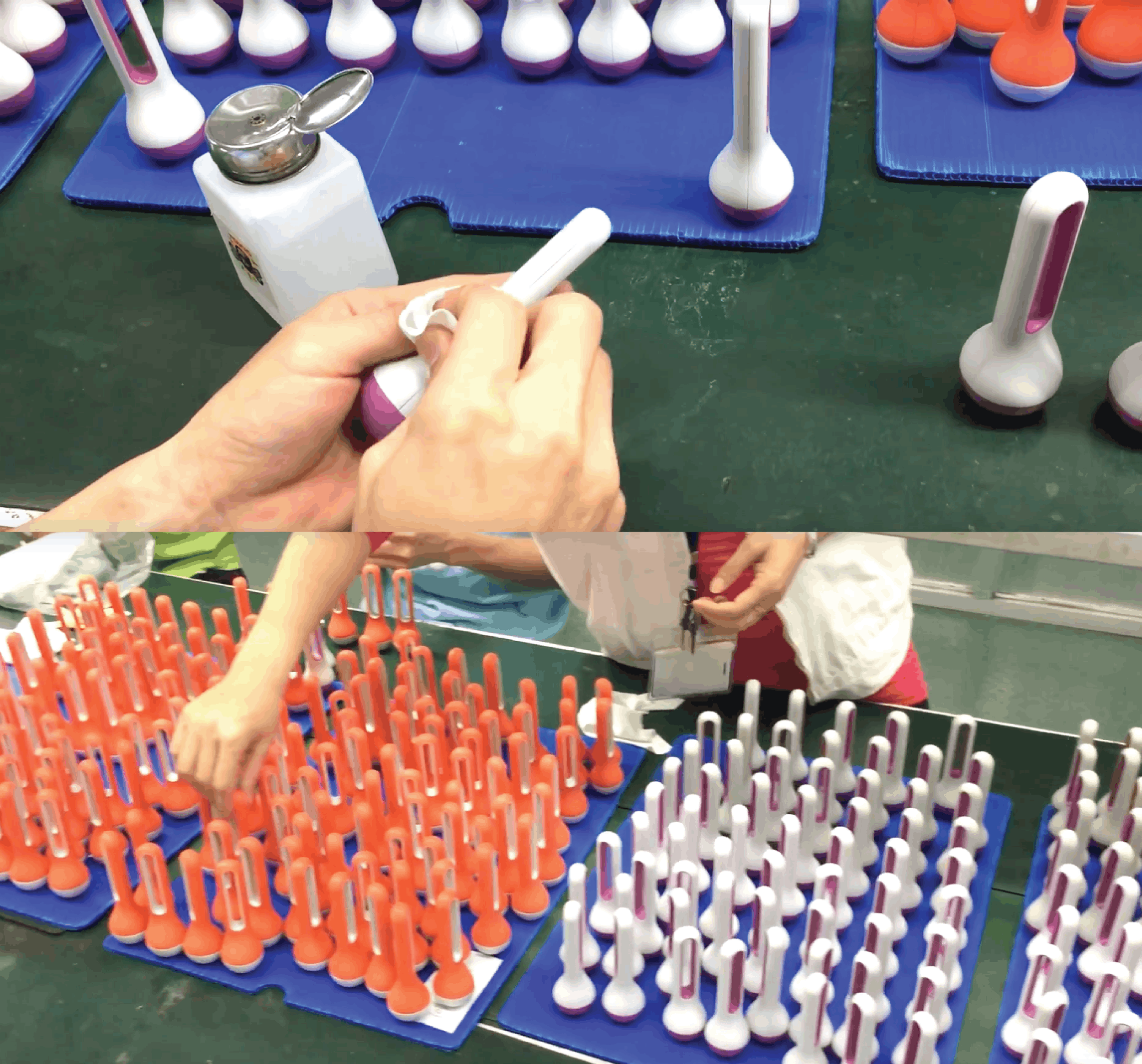
Stage 5 – Manufacturing and Scaling
What it is
The final stage involves preparing your product for modular manufacturing and scaling operations for market launch.
Why it matters
Efficient manufacturing ensures product quality, cost control, and timely delivery to market.
Key activities
Selecting manufacturing partners
Design for Manufacturing (DFM) optimization
Supply chain setup
Production planning and quality control
Tektos Ecosystems support businesses in transitioning smoothly from prototype to scalable production, minimizing delays and unexpected costs.
Common Mistakes Across Each Stage
Even with a structured process, mistakes can happen. Here are some of the most common pitfalls—and how to avoid them:
Skipping validation: Many businesses rush into development without confirming market demand. Always validate before investing heavily.
Overcomplicating the design: Complex products increase costs and development time. Focus on core features first, then expand.
Ignoring manufacturability: Designs that look good on paper may be difficult or expensive to produce. Consider manufacturing early in the process.
Inadequate testing: Skipping or rushing testing can lead to product failures and customer dissatisfaction.
Poor communication between teams: Misalignment between design, engineering, and manufacturing teams can cause delays and costly revisions.
Actionable Tip: Work with an integrated product development partner to ensure continuity across all stages and avoid these common issues.
FAQs
What is the most important stage?
While all stages are essential, idea validation and market research is arguably the most important. If your product doesn’t solve a real problem or meet market demand, even the best design and engineering won’t lead to success.
Can stages overlap?
Yes, in modern product development, stages often overlap. For example, prototyping and testing may happen simultaneously to speed up development and allow faster iterations.
What happens if one stage fails?
Failure in one stage doesn’t mean the end of your product—it’s an opportunity to improve. The key is to identify issues early and revisit previous stages if needed. Iteration is a natural and valuable part of the process.
Final Thoughts
Understanding the five stages of product development gives you a clear roadmap from idea to market. By following a structured approach—and avoiding common mistakes—you can significantly improve your chances of building a successful product.
If you’re looking for expert guidance throughout the entire process, Tektos Ecosystems offers end-to-end product development services tailored for startups and growing businesses.
Ready to bring your product idea to life? Now is the perfect time to start, with the right strategy, the right process, and the right partner.