
IoT Device Development: Costs, Challenges, and Best Practices
Connected devices are rapidly transforming how we live and work. From smart home systems to industrial monitoring solutions, IoT devices are creating new opportunities for innovation across nearly every industry. However, building a successful IoT Device is far more complex than developing traditional hardware.
Unlike standalone devices, IoT devices rely on a tightly integrated ecosystem of hardware, software, connectivity, and cloud infrastructure. Each layer must work seamlessly with the others, and even small gaps in planning can lead to costly delays or performance issues.
This guide provides a practical overview of IoT device development, including key components, common challenges, costs, and best practices for bringing a connected product to life and scaling it successfully.
What Is an IoT Device?
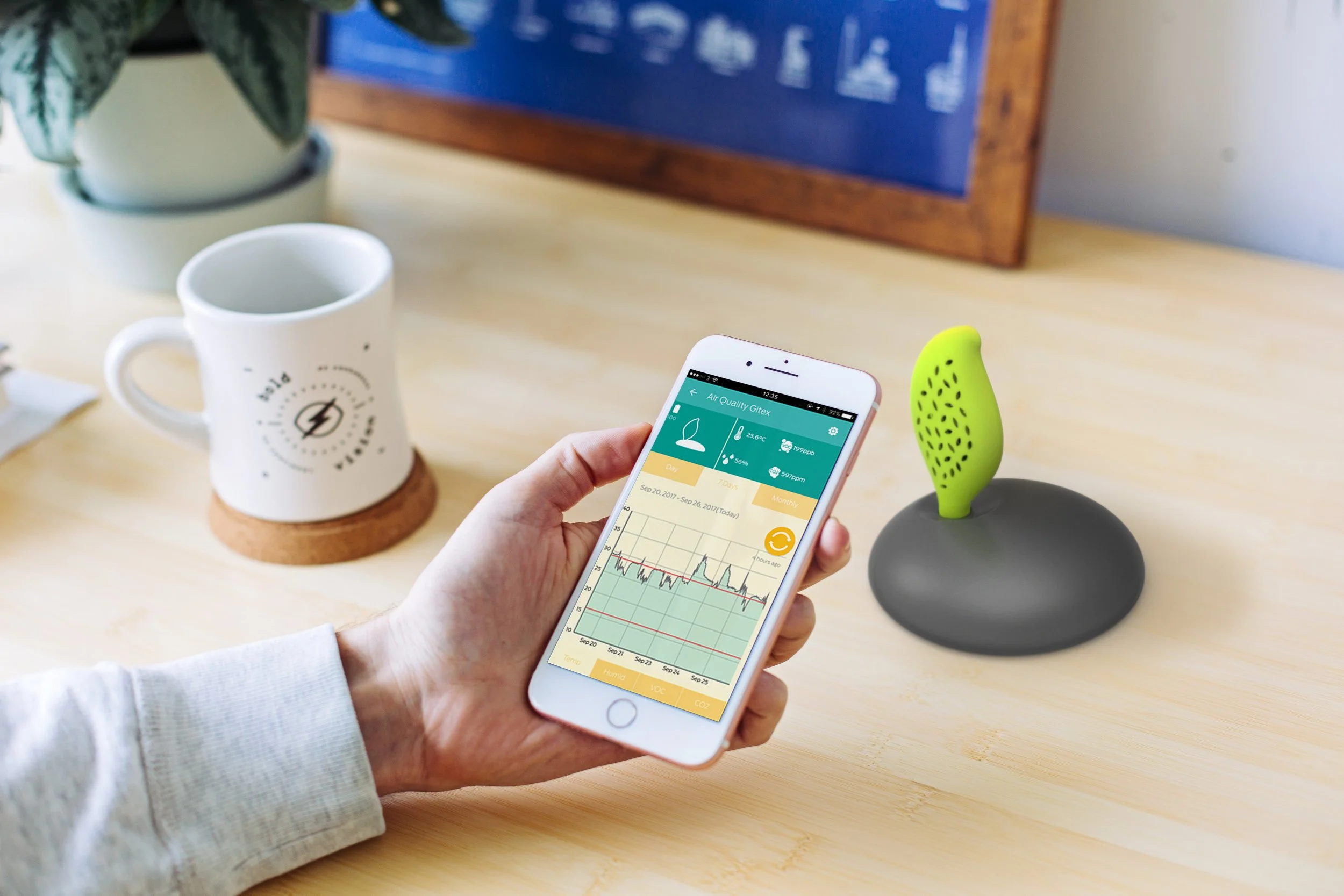
IoT device development creates connected devices capable of collecting data, communicating with other systems, and delivering actionable insights through software or the cloud. This requires expertise in electronic engineering and embedded systems development, ensuring sensors, microcontrollers, and connectivity modules work seamlessly together.
Unlike traditional electronics, IoT Devices rely on a combination of hardware, connectivity, and cloud-based intelligence to operate within a broader IoT architecture.
These devices typically include embedded sensors, microcontrollers, wireless communication modules, and user-facing applications that make interaction seamless.
IoT Devices are used across nearly every industry. In consumer spaces, smart thermostats, wearables, and connected appliances enhance comfort and efficiency.
In industrial environments, IoT-driven automation enables predictive maintenance, real-time asset tracking, and environmental monitoring.
Healthcare IoT devices, such as remote patient monitors, support safer, data-driven care.
Key Components of IoT Systems
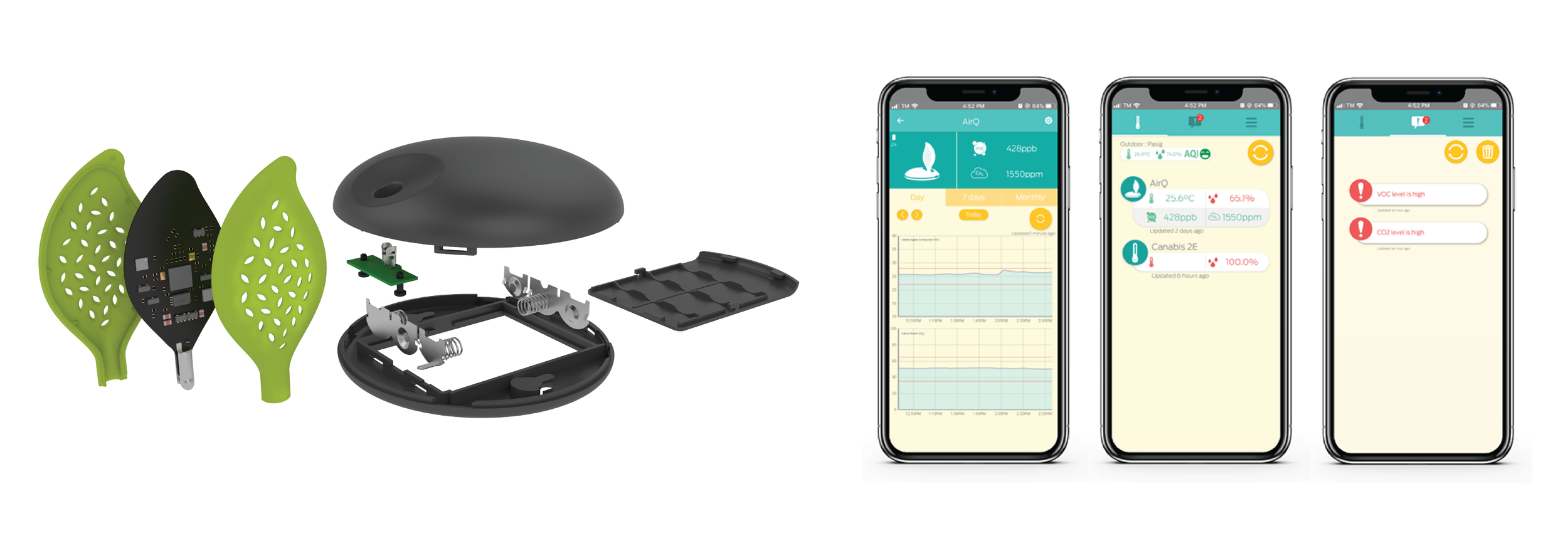
A fully functional IoT system relies on several critical components working in harmony:
Hardware (Sensors & Microcontrollers)
Sensors capture real-world data such as motion, temperature, humidity, or pressure. Microcontrollers and embedded systems process this data locally and execute programmed actions.
Tektos Ecosystems specializes in electronic engineering, designing custom electronics and selecting the right components to ensure accuracy, efficiency, and long-term reliability.
Connectivity (Wi-Fi, Bluetooth, Cellular)
Wireless communication enables devices to transmit data to servers or other devices.
Wi-Fi supports high-bandwidth applications, Bluetooth provides low-power short-range communication, and cellular is ideal for remote or mobile IoT solutions.
Choosing the right protocol affects both product performance and IoT device development timelines.
Cloud Infrastructure
Cloud platforms store, analyze, and visualize the data generated by connected devices. This layer powers dashboards, mobile applications, AI models, and device-management systems.
Tektos Ecosystems ensures smooth cloud integration and IoT infrastructure with secure data pipelines that scale as the product grows.
User Interfaces
Interfaces such as mobile apps, web portals, and voice commands allow end users to interact with IoT devices intuitively. Tektos’s UX and UI teams help build interfaces that align with user needs and system capabilities.
Major Challenges in IoT Development

Building a successful IoT Device requires overcoming several technical and operational challenges:
Hardware and Software Integration
Ensuring seamless communication between embedded systems, connectivity modules, and cloud software is complex.
Minor misalignments can cause data loss, latency, or device malfunction. Tektos Ecosystems addresses this by managing the entire development ecosystem, from PCB design to firmware and backend systems.
Security Risks
Because IoT devices continuously exchange data, they are vulnerable to hacking, unauthorized access, and firmware exploits.
Secure boot, data encryption, and authentication protocols must be built in from day one, never as an afterthought.
Scalability Issues
Prototypes may work flawlessly, but mass production introduces new challenges: component availability, manufacturing tolerances, and cloud resource limits.
Tektos’s engineering and DFM expertise mitigate these risks early, ensuring smooth product scaling.
Understanding IoT Development Costs

The total IoT Device cost depends on several interconnected factors:
Hardware Costs
Sensors, chips, antennas, batteries, and enclosures vary widely in cost depending on accuracy, complexity, and market availability.
Custom hardware design may increase initial investment but reduce long-term BOM costs and improve performance.
Software & Cloud Costs
Firmware development, mobile app creation, and cloud platform fees contribute significantly to total expenses.
Ongoing expenses related to cloud storage, API calls, and data processing must also be included in financial planning.
Certification & Compliance
Products may require FCC, CE, UL, or industry-specific certifications. Compliance adds time and cost but is essential for global market entry. Tektos supports pre-compliance testing and documentation to minimize unexpected delays.
Choosing the Right Connectivity
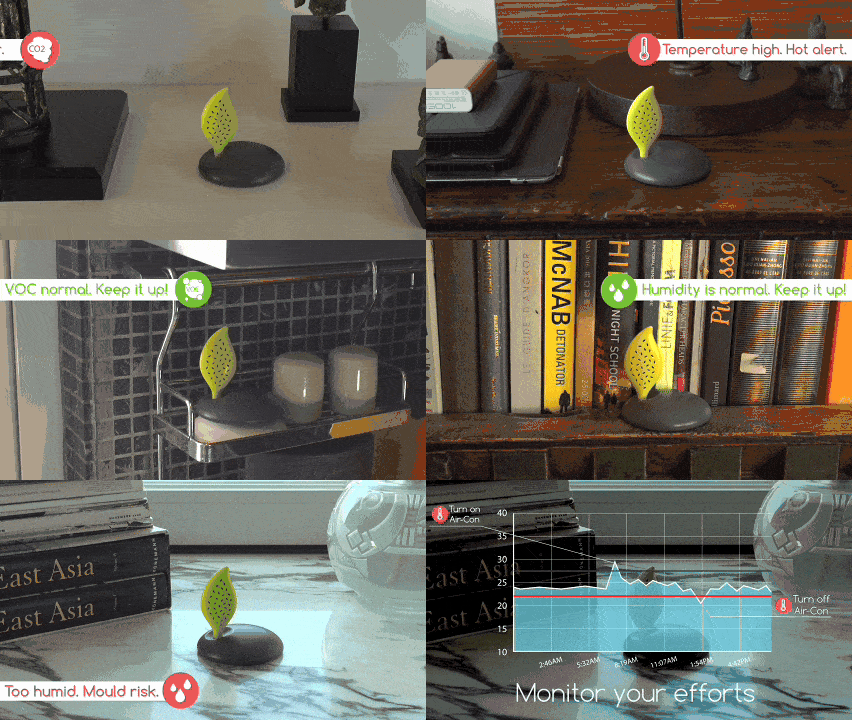
Connectivity decisions greatly affect battery life, performance, and user experience.
Trade-offs Between Protocols
Bluetooth Low Energy (BLE) offers excellent power efficiency but limited range.
Wi-Fi provides high throughput but drains batteries faster. Cellular and LPWAN technologies enable remote operation but increase subscription and hardware costs.
Range vs. Power Consumption
Long-range communication generally consumes more energy. Choosing the optimal protocol requires evaluating device location, data-transfer frequency, and user needs, a process Tektos guides with technical and practical insights.
Best Practices for Building IoT Devices
Start with a Clear Use Case
Successful IoT device development begins with a specific problem and a measurable objective.
This reduces feature creep and ensures the device’s architecture supports real-world needs.
Prioritize Security From Day One
Encryption, authentication, secure firmware updates, and protected APIs should be included during early development—not added after deployment.
Plan for Scalability
Design hardware with availability in mind, choose cloud infrastructure that supports growth, and ensure firmware is OTA update-ready. Our team integrates these considerations from prototype to mass production.
Future Trends in IoT
Edge Computing
Processing data closer to the source reduces latency and cloud dependency. Edge-enabled devices enable faster decision-making and significantly lower operational costs.
AI Integration
AI-powered IoT devices can perform predictive maintenance, user-behavior recognition, anomaly detection, and automated decision-making. Tektos Ecosystems increasingly incorporates machine learning models into next-generation connected devices.
Conclusion
IoT technology continues to reshape industries, and businesses that invest in well-designed, secure, and scalable connected devices gain a long-term competitive advantage.
With expertise in IoT device development, electronics engineering, firmware, cloud integration, and full-stack IoT architecture, Tektos Ecosystems is uniquely positioned to support companies at every stage of development.
