
The Role of Industrial Design in Building Successful Tech Products

When people think about successful products, they often focus on features or technology. But what truly sets standout products apart is how they look, feel, and function in real life. This is where industrial design services play a defining role.
Industrial design goes beyond aesthetics. It shapes how users interact with a product, how a brand is perceived, and how efficiently a product can be manufactured at scale. A well-designed product doesn’t just solve a problem; it creates an experience that feels intuitive and refined.
In this article, Tektos Ecosystems will let you explore why industrial design is a critical component of modern product development, and how integrating design early in the process can lead to better usability, stronger market differentiation, and long-term commercial success.
What Is Industrial Design?

Industrial design is the professional practice of creating products that are functional, visually appealing, and optimized for real-world use. It sits at the intersection of creativity, usability, engineering, and consumer expectations, shaping everything from everyday household items to advanced hardware design solutions. Its scope covers concept sketching, digital modeling, ergonomics, usability studies, and refining the physical form to align with user needs and brand goals.
While industrial design and engineering often overlap, they serve distinct purposes. Industrial design focuses on the user-centered design approach, how a product feels, looks, and interacts with users, whereas engineering concentrates on technical feasibility, performance, and internal systems. Together, through industrial design and engineering collaboration, they create products that are manufacturable, safe, and intuitive.
The Impact of Industrial Design on User Experience
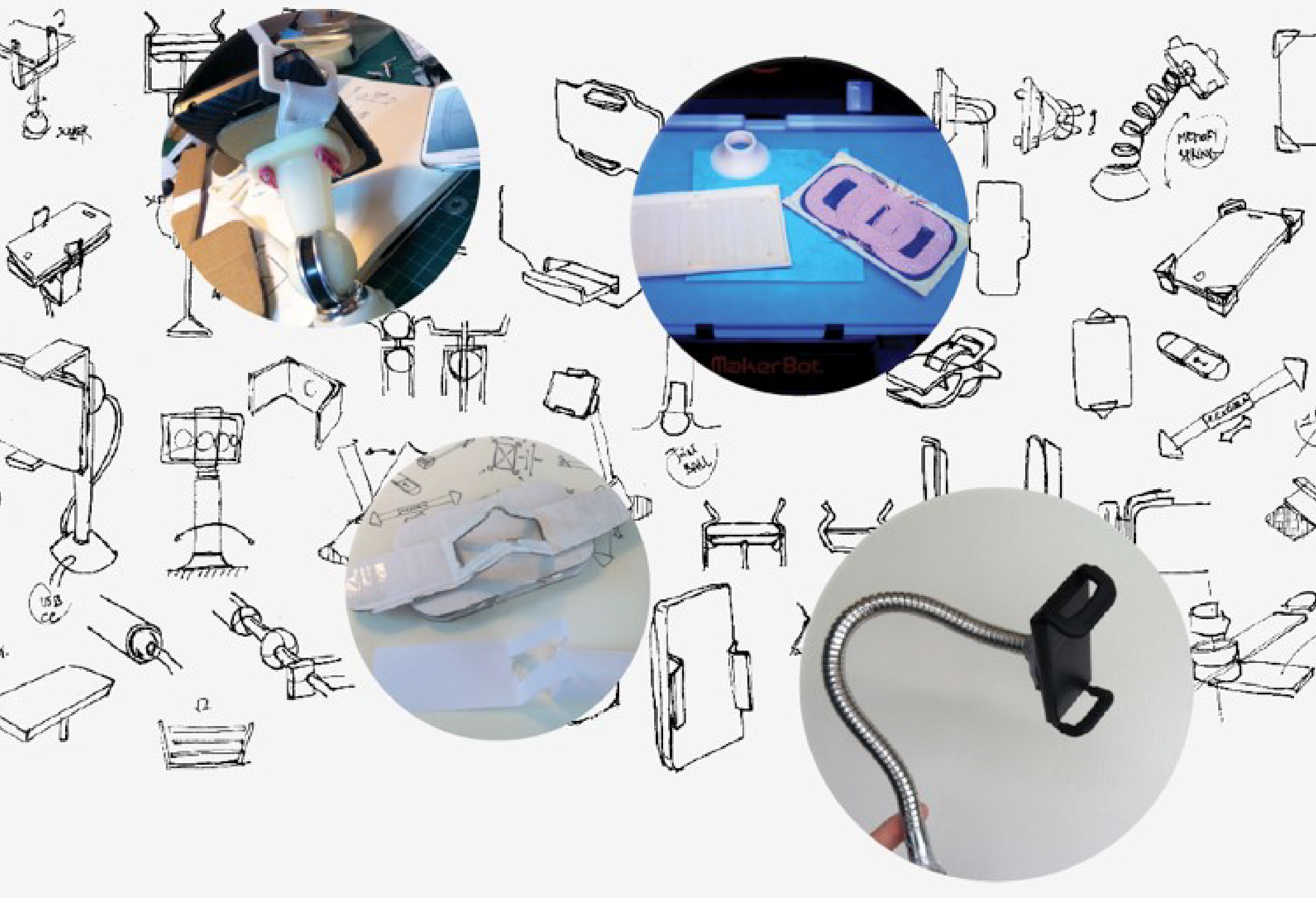
User experience goes far beyond aesthetics. Industrial design directly shapes how people interact with a product, influencing satisfaction, performance, and emotional connection.
Ergonomics: Good industrial design ensures products conform to human capabilities and limitations. Ergonomics reduces strain, improves comfort, and enhances precision. Whether designing handheld electronics or wearable devices, ergonomics helps deliver intuitive, natural interactions.
Usability: A product should be easy to understand from the first touch. Clear interfaces, logical form factors, and intuitively placed controls all stem from the industrial designer’s role. Usability becomes a critical differentiator—especially in complex hardware design projects.
Emotional Connection: Products resonate with users when they evoke trust, joy, or pride. Industrial design shapes emotional appeal through materials, color, proportions, and tactile details. This connection influences long-term brand loyalty and repeat purchase behavior.
Bridging Aesthetics and Functionality
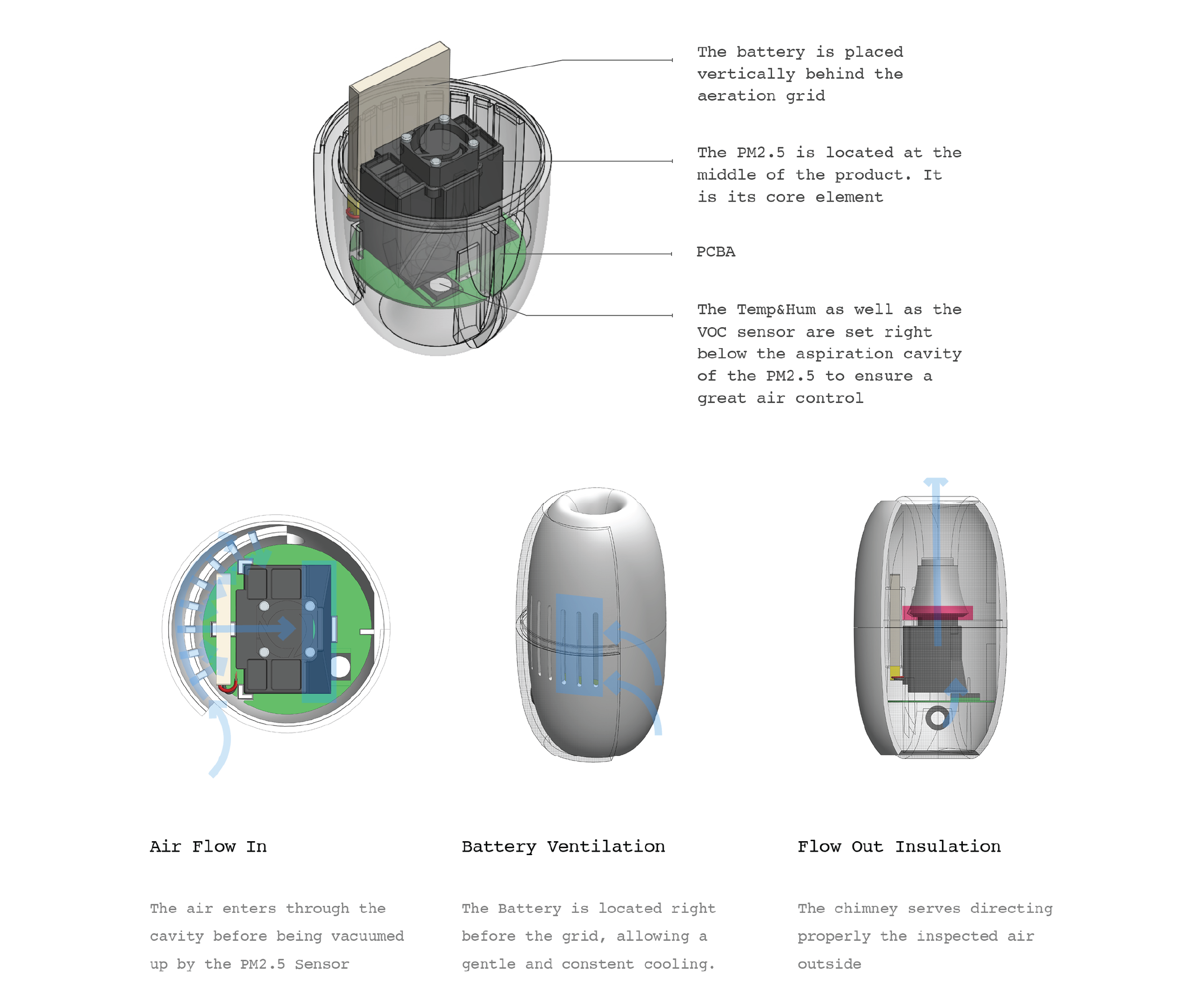
One of the core responsibilities of industrial design is balancing form and function. A beautiful product that performs poorly will fail, and a functional product with no emotional or visual appeal can struggle in competitive markets.
Form vs. Function Balance:
Designers must ensure every curve, material, and detail serves a purpose. This balance elevates product usability without compromising manufacturability or cost-efficiency.
Real-World Examples (Generalized):
Consumer electronics with minimalistic designs that hide complex internal components.
Smart home devices designed to blend into decor while offering advanced technical performance.
Medical tools shaped for precision grip and sterilization requirements.
These examples highlight the seamless integration of practicality and aesthetics throughout the industrial design process.
Industrial Design and Brand Differentiation
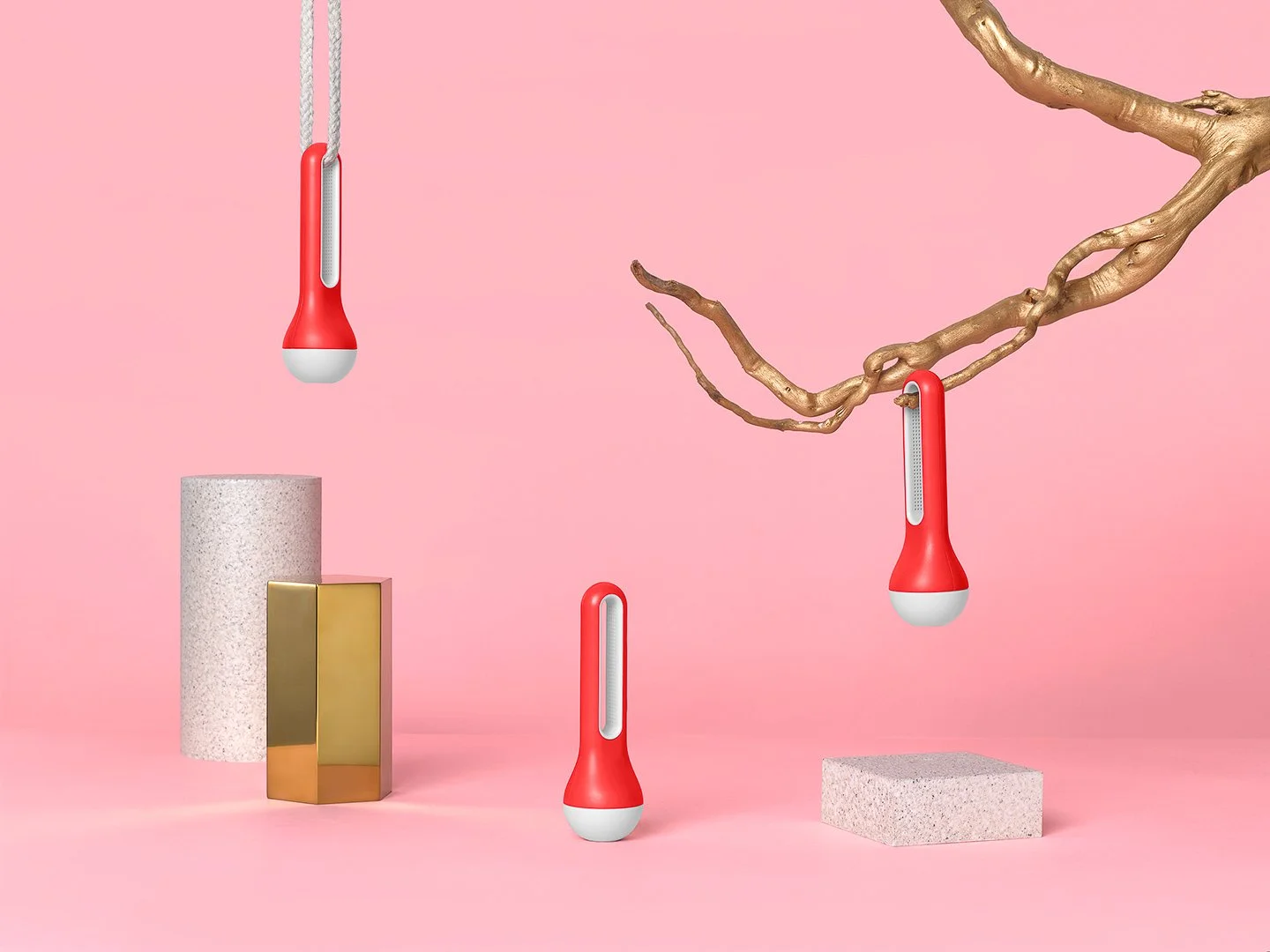
Industrial design is a powerful tool for creating market distinction. It influences not only how a product works but how a brand is perceived.
Visual Identity: Designers craft the visual language that reflects a brand—its forms, lines, materials, and distinctive styling cues. This identity helps products stand out on a shelf and remain recognizable across generations.
Market Perception: Well-executed design communicates innovation, reliability, and quality. When customers associate your brand with thoughtful, user-centered design, it strengthens competitiveness and reinforces the company’s value proposition.
Designing for Manufacturability
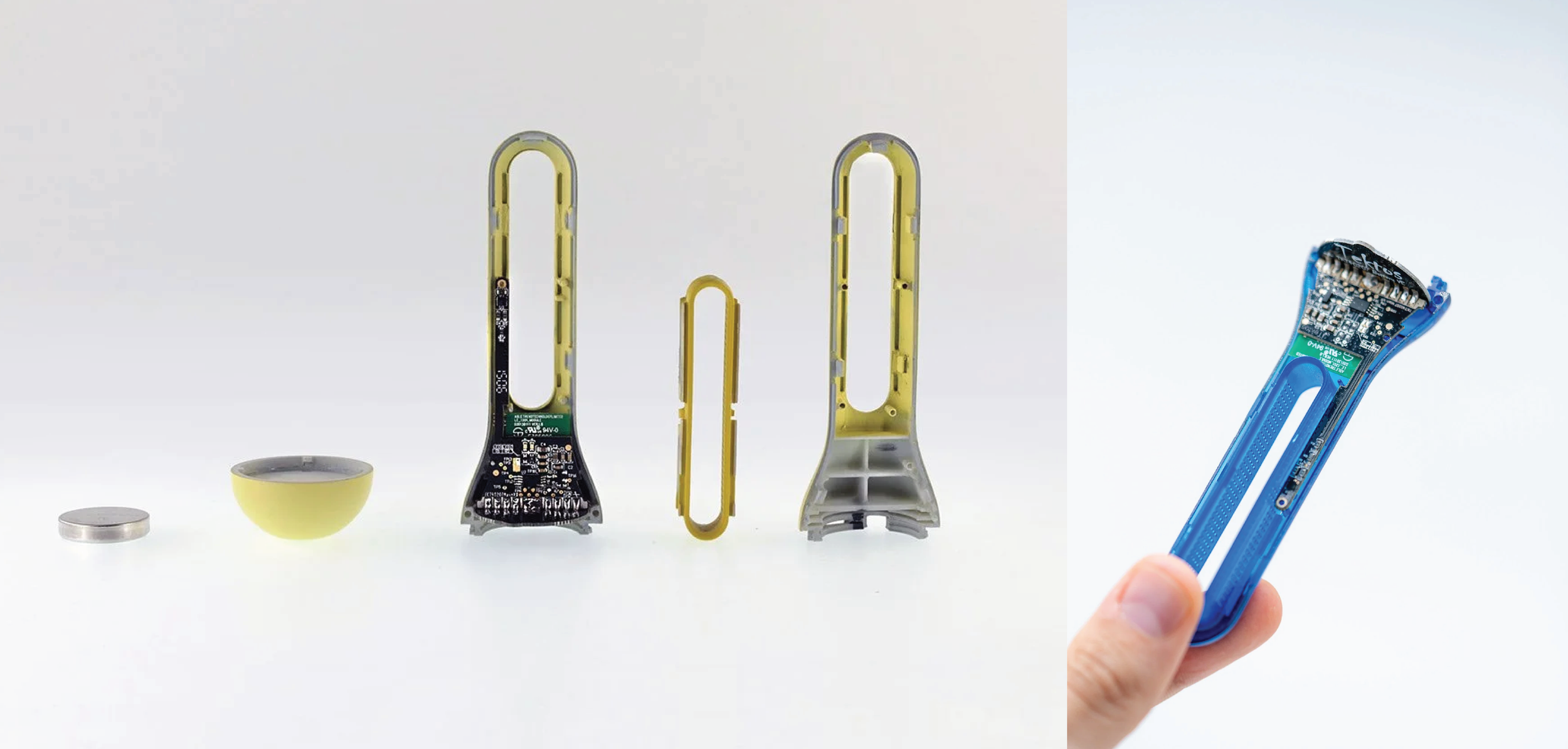
A product must be both beautiful and buildable. Designing for modular manufacturability ensures concepts transition smoothly into production without high cost or complexity.
Material Selection: Choosing the right materials—plastics, metals, composites—affects durability, weight, sustainability, and cost. Tektos guides clients through material trade-offs to match performance requirements with practical constraints.
Production Constraints: Designs need to account for injection molding, CNC machining, 3D printing, or assembly-line processes. Early awareness through prototype development and engineering validation avoids redesigns and delays later in the industrial design process.
Cost Implications: Manufacturability directly affects tooling costs, labor steps, and material waste. Smart industrial design reduces total production costs while maintaining the highest product standards.
Collaboration Between Designers and Engineers
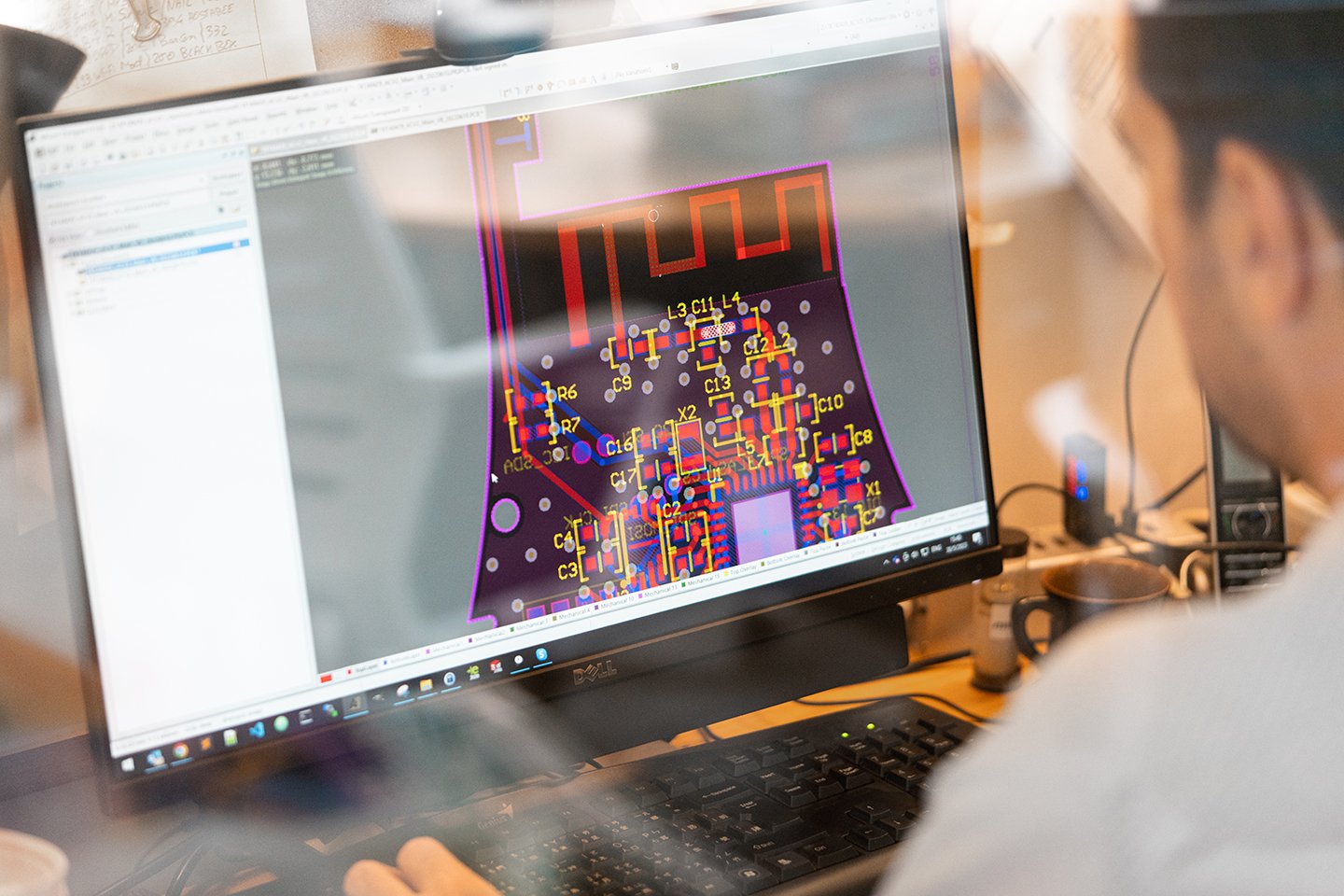
Successful product development depends on strong designer–engineer collaboration, a hallmark of Tektos Ecosystems’ workflow.
Cross-Functional Workflow: Design teams work closely with mechanical engineering, electrical, and manufacturing engineers to ensure that conceptual designs translate into feasible, high-performance products. This collaboration aligns aesthetic goals with hardware, structural, and production requirements.
Reducing Friction: Clear communication, early prototype reviews, and shared objectives prevent costly redesigns. By integrating industrial design with engineering from day one, teams reduce risk and accelerate development timelines.
Common Industrial Design Mistakes
Avoiding common pitfalls is essential to maximizing product design importance and market success.
Overdesign: Excessively complex features can confuse users, inflate costs, and slow manufacturing. Simplicity almost always improves both usability and reliability.
Ignoring User Feedback: Skipping real-world testing leads to products that miss user expectations. User-centered design ensures insights shape each stage of development.
Designing Without Manufacturing Input: When manufacturability is ignored, even the most beautiful concept can become expensive or impossible to produce. Early collaboration prevents these issues.
Conclusion
Industrial design is a strategic advantage—not just an aesthetic exercise. It shapes how users perceive, interact with, and value your products. By investing in a thoughtful, research-driven industrial design process, businesses strengthen brand identity, elevate customer satisfaction, and reduce production risks.