
Product Engineering & Prototype Validation
We turn early ideas into working prototypes and a solid foundation for manufacturing.
At Tektos Ecosystems, we bridge the gap between concept and reality. With over 20 years of experience in product development and engineering, we help startups and Fortune 500 companies transform early-stage ideas into functional, validated prototypes ready for manufacturing. Our multidisciplinary team combines industrial design, electronic engineering, and advanced manufacturing expertise to de-risk your product development journey and accelerate time to market.
Whether you're developing a connected IoT device, a consumer product, or an industrial solution, our systematic approach ensures that every technical challenge is addressed before you commit to full-scale production. We don't just build prototypes—we validate designs, test performance, and create a solid engineering foundation that sets your product up for manufacturing success.
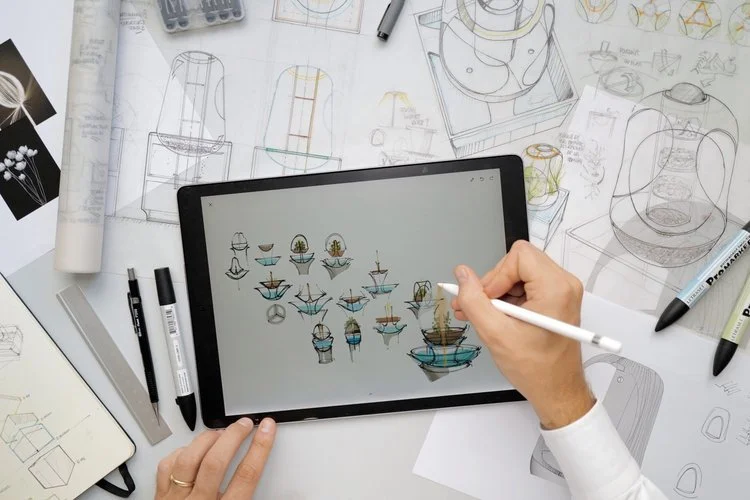
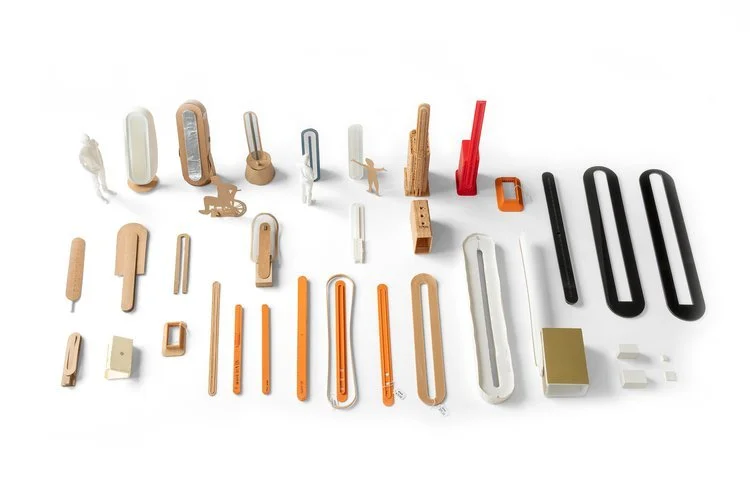
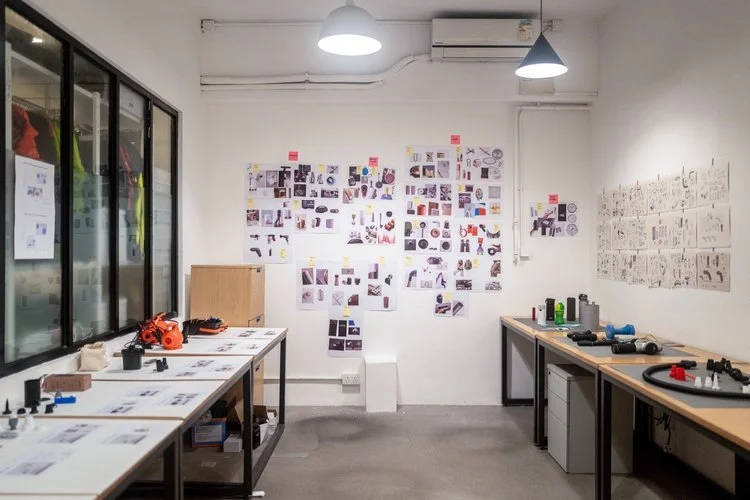
Concept & Feasibility
Every successful product begins with a thorough feasibility assessment. Our team works closely with you to evaluate your product concept from technical, commercial, and manufacturing perspectives. We analyze the core functionality, identify potential engineering challenges, assess component availability, estimate development timelines, and provide realistic cost projections. This critical phase helps you understand what's possible, what trade-offs may be necessary, and what investment will be required to bring your product to market.
During feasibility studies, we explore multiple technical approaches and evaluate them against your business goals, target market requirements, and budget constraints. Our engineers conduct material research, benchmark competitive products, and assess regulatory requirements to ensure your concept is viable. We also create preliminary system architectures that outline how different subsystems will work together, giving you a clear roadmap for development.
The output of this phase is a comprehensive feasibility report that includes technical recommendations, risk assessments, development milestones, and a clear go/no-go decision framework. This document becomes the foundation for all subsequent engineering work, ensuring alignment between your vision and what can realistically be achieved within your constraints.
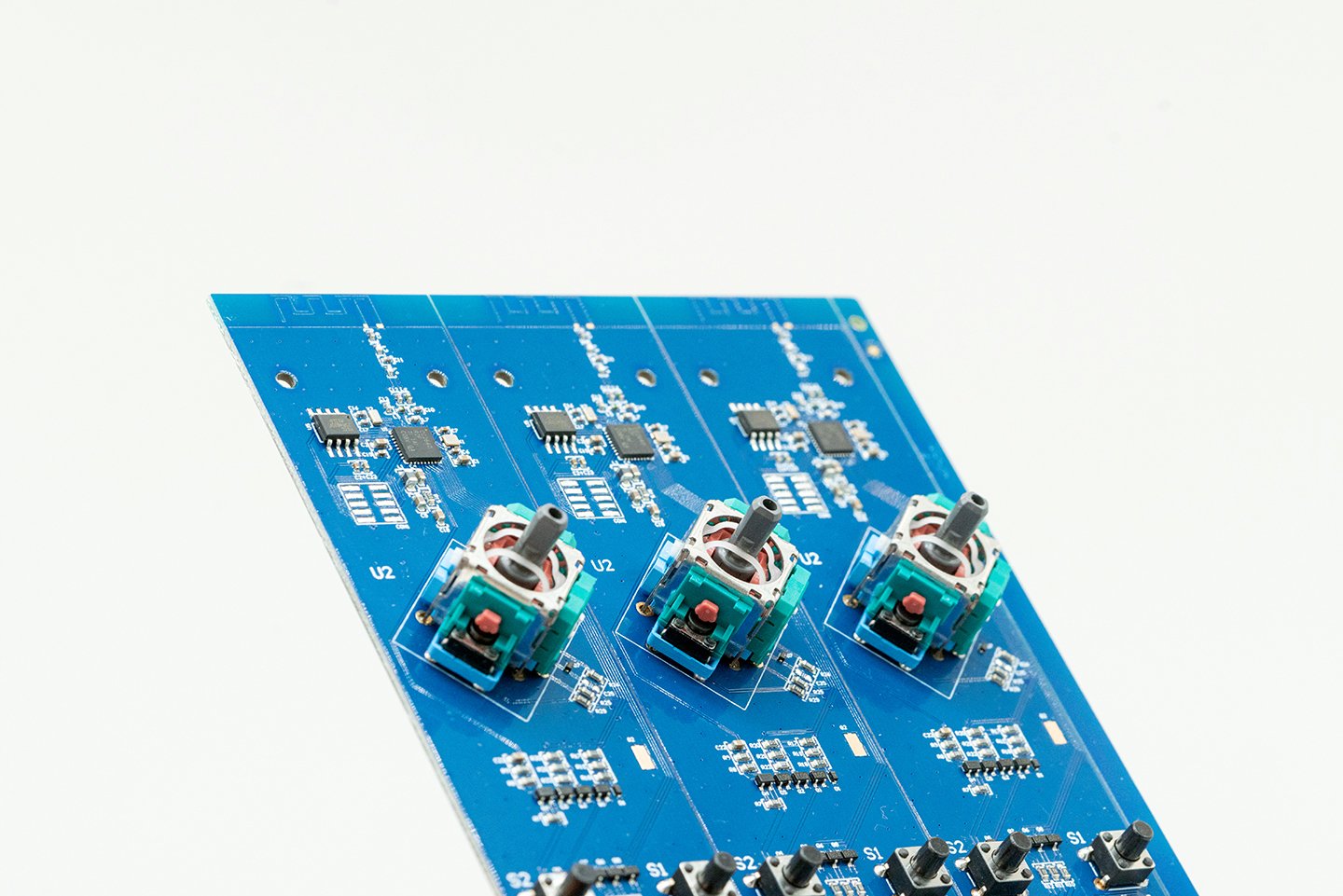
Schematics
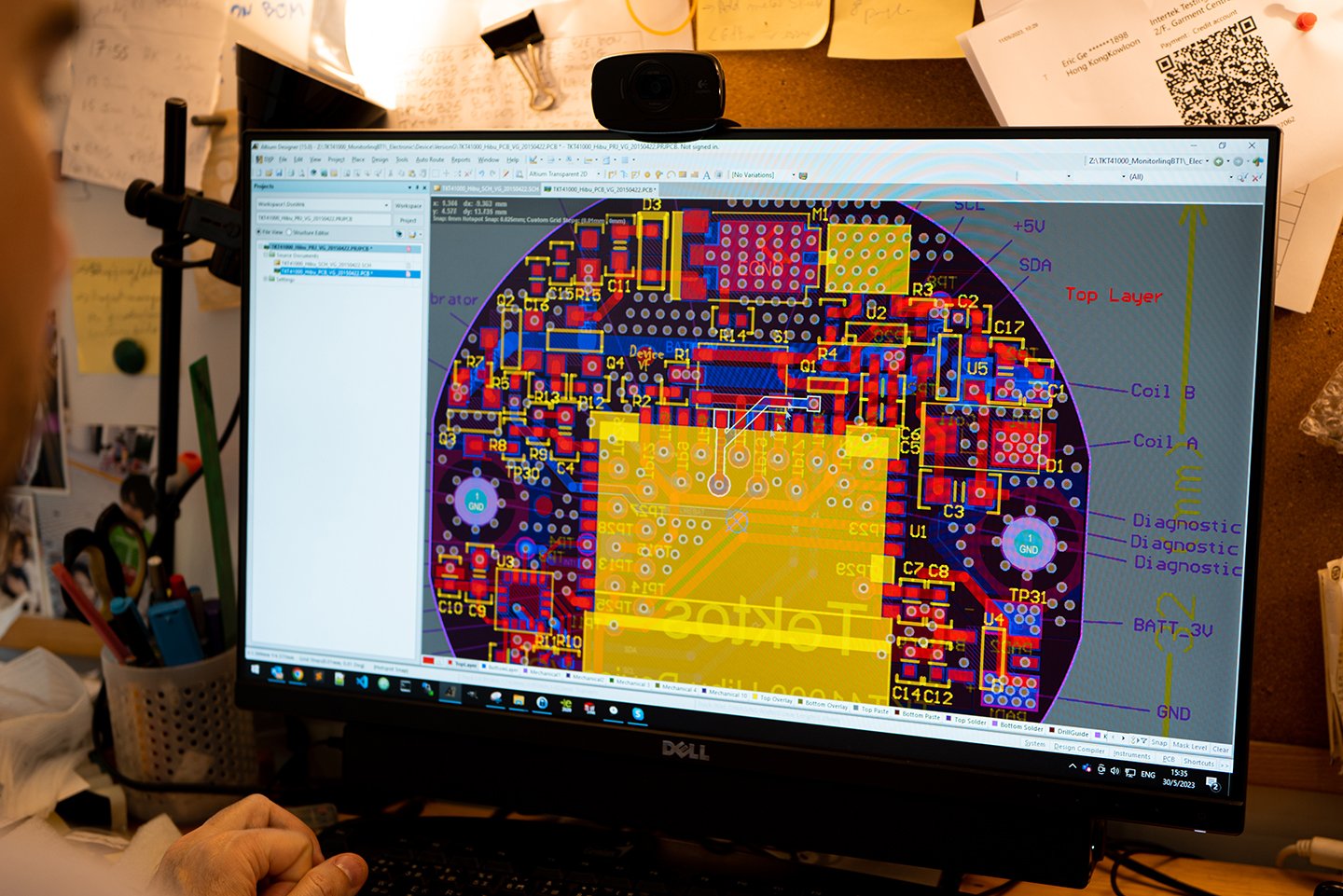
Once feasibility is confirmed, our electronic engineering team develops detailed circuit schematics that define your product's electronic architecture. This involves selecting appropriate microcontrollers, sensors, power management systems, communication modules, and other electronic components that meet your performance requirements while optimizing for cost and manufacturability. Every component choice is made with both functionality and supply chain reliability in mind.
Our schematic design process includes extensive collaboration with your team to ensure all functional requirements are captured accurately. We create multi-sheet schematics that clearly document signal flow, power distribution, communication protocols, and interface connections. These detailed drawings serve as the blueprint for PCB design and become critical reference documents throughout the product lifecycle. We also conduct design reviews at key milestones to validate design decisions and incorporate feedback before moving forward.
Beyond just creating circuit diagrams, we perform electrical simulations to verify circuit behavior, calculate power consumption, analyze thermal characteristics, and identify potential design issues before physical prototyping. This simulation-driven approach reduces development cycles and minimizes costly redesigns, ensuring your electronics are robust and production-ready from the start.

Electronics Firmware
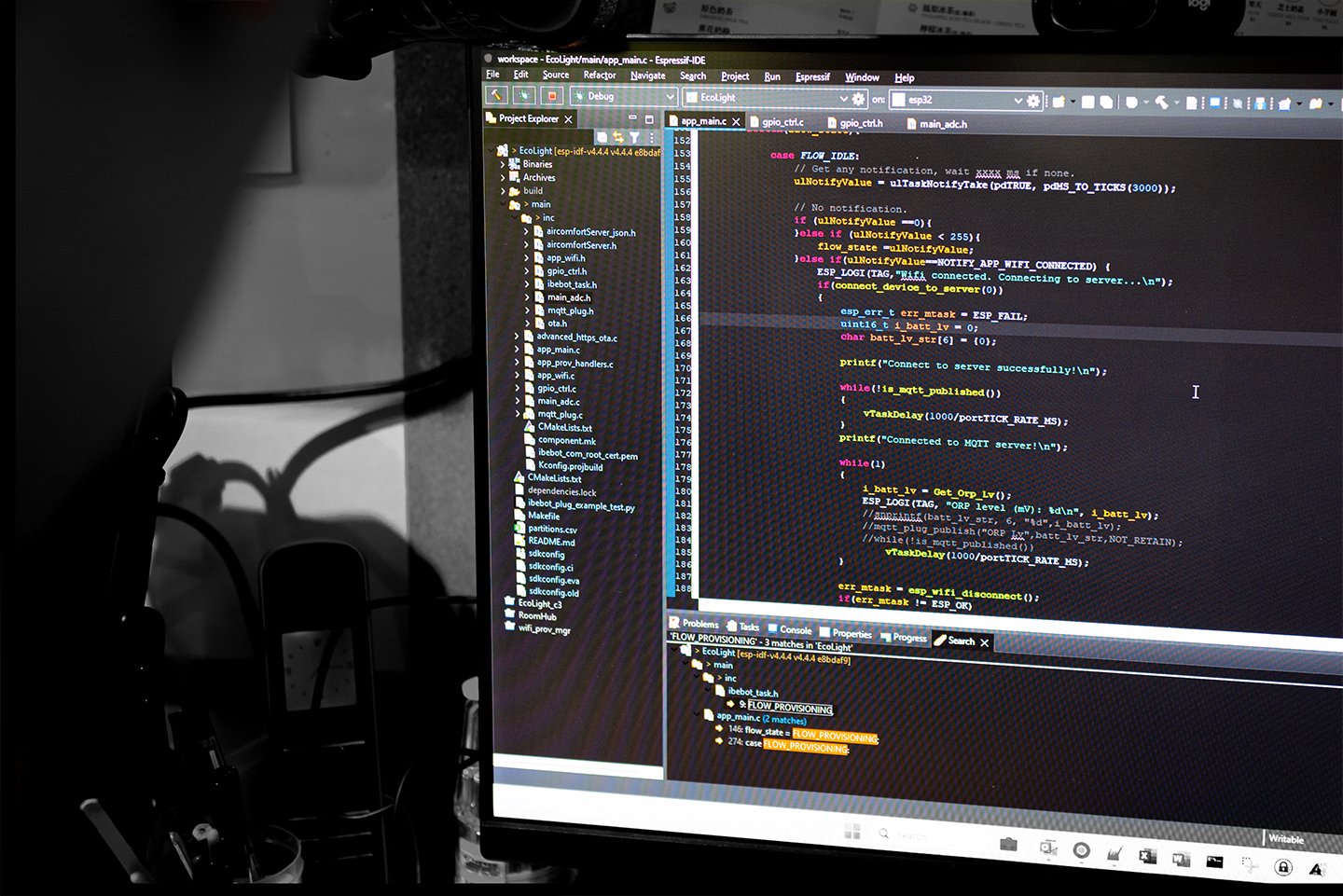
Hardware without software is just expensive paperweight. Our embedded firmware engineers develop the code that brings your electronic hardware to life, enabling your product to perform its intended functions reliably and efficiently. We write embedded software for a wide range of microcontrollers and processors, implementing everything from basic control logic to complex algorithms for sensor fusion, wireless communication, and real-time data processing.
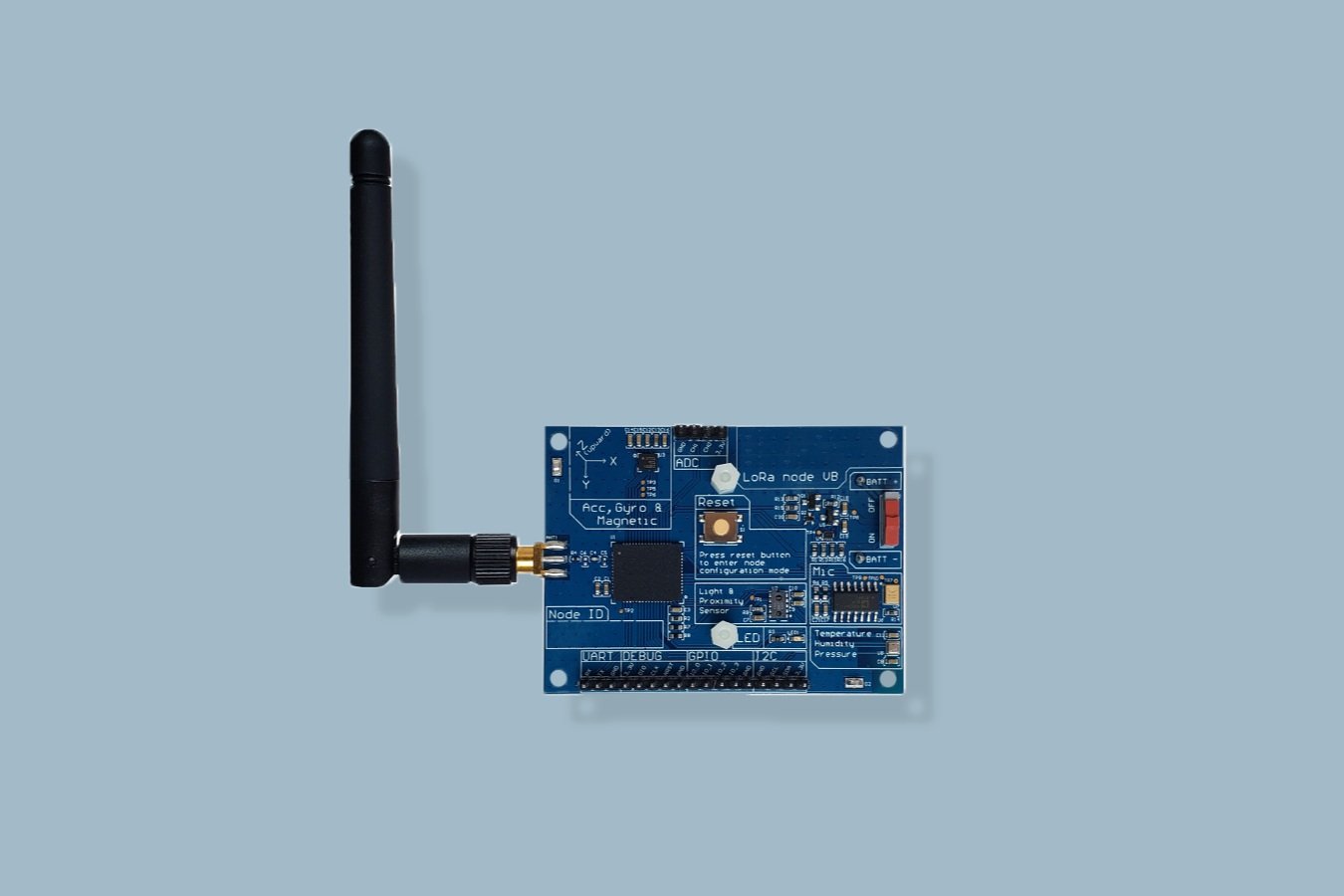
Our firmware development follows industry best practices including modular architecture, version control, comprehensive documentation, and rigorous testing protocols. We implement power management routines to maximize battery life, develop robust error handling to ensure system reliability, and create intuitive interfaces for user interaction or cloud connectivity. For IoT products, we integrate wireless protocols such as Wi-Fi, Bluetooth, LoRaWAN, or cellular connectivity, ensuring seamless communication between your device and cloud infrastructure.
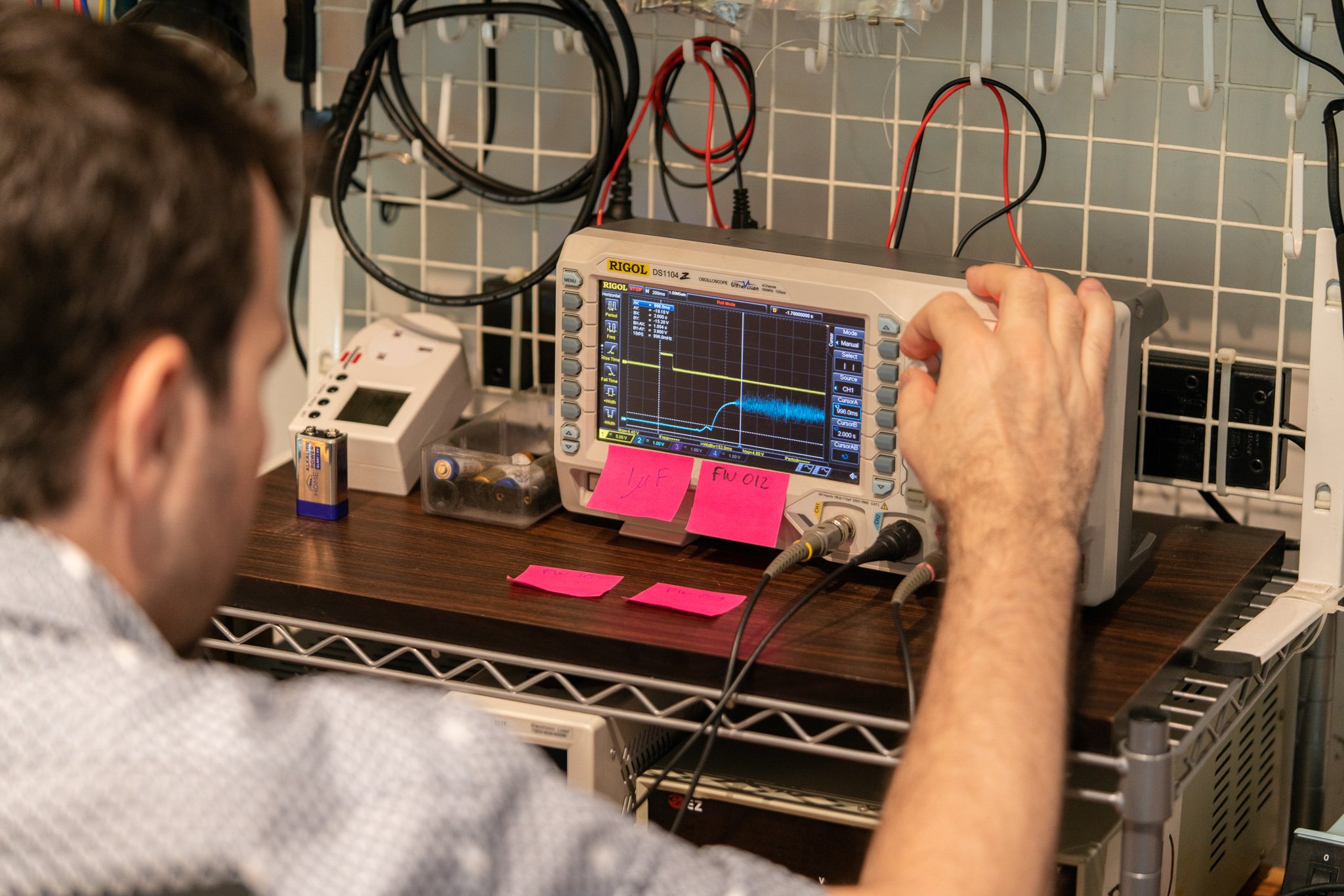
Throughout firmware development, we conduct extensive testing including unit tests, integration tests, and real-world validation to ensure your product performs reliably under all operating conditions. We also provide detailed firmware documentation and can support future updates or feature enhancements as your product evolves. Our goal is to deliver firmware that is not only functional but also maintainable, scalable, and ready for manufacturing.


Prototyping
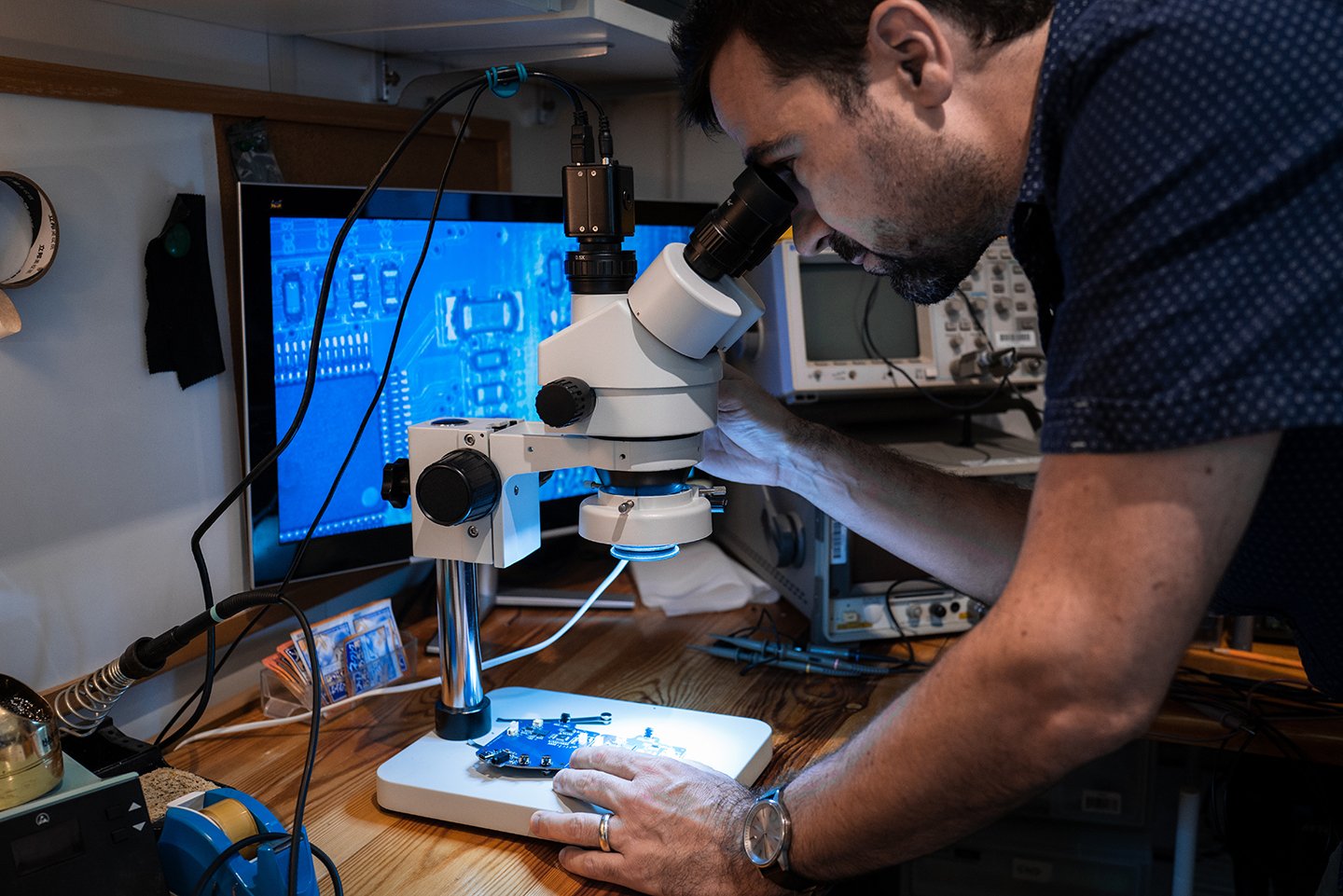
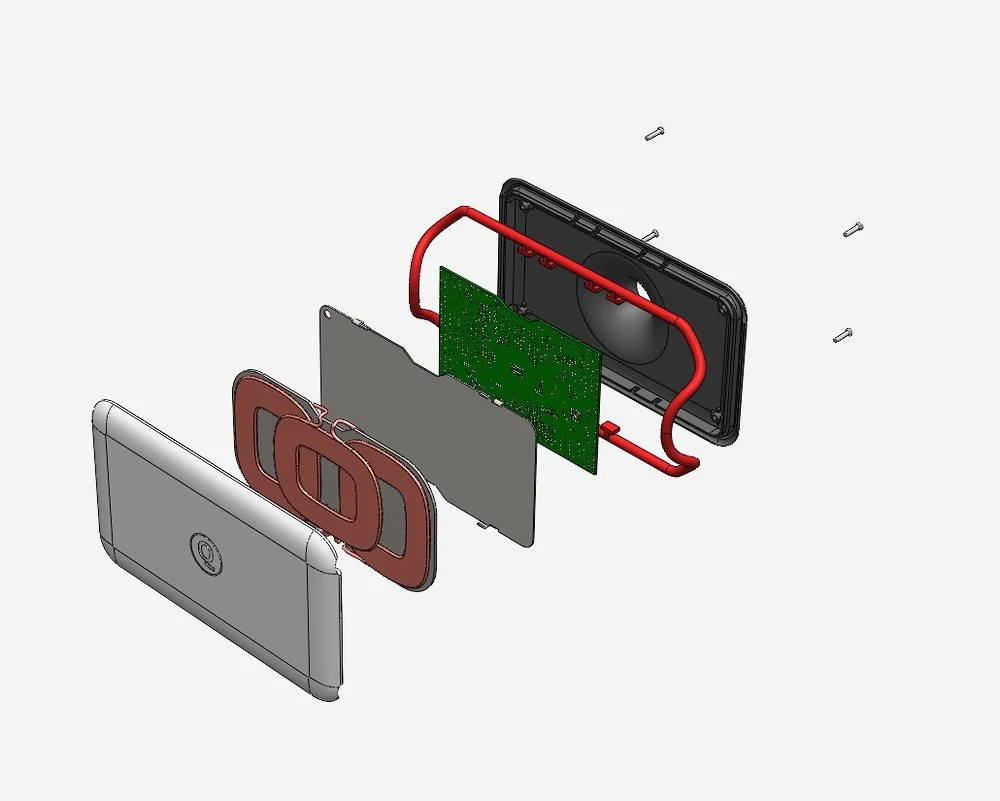
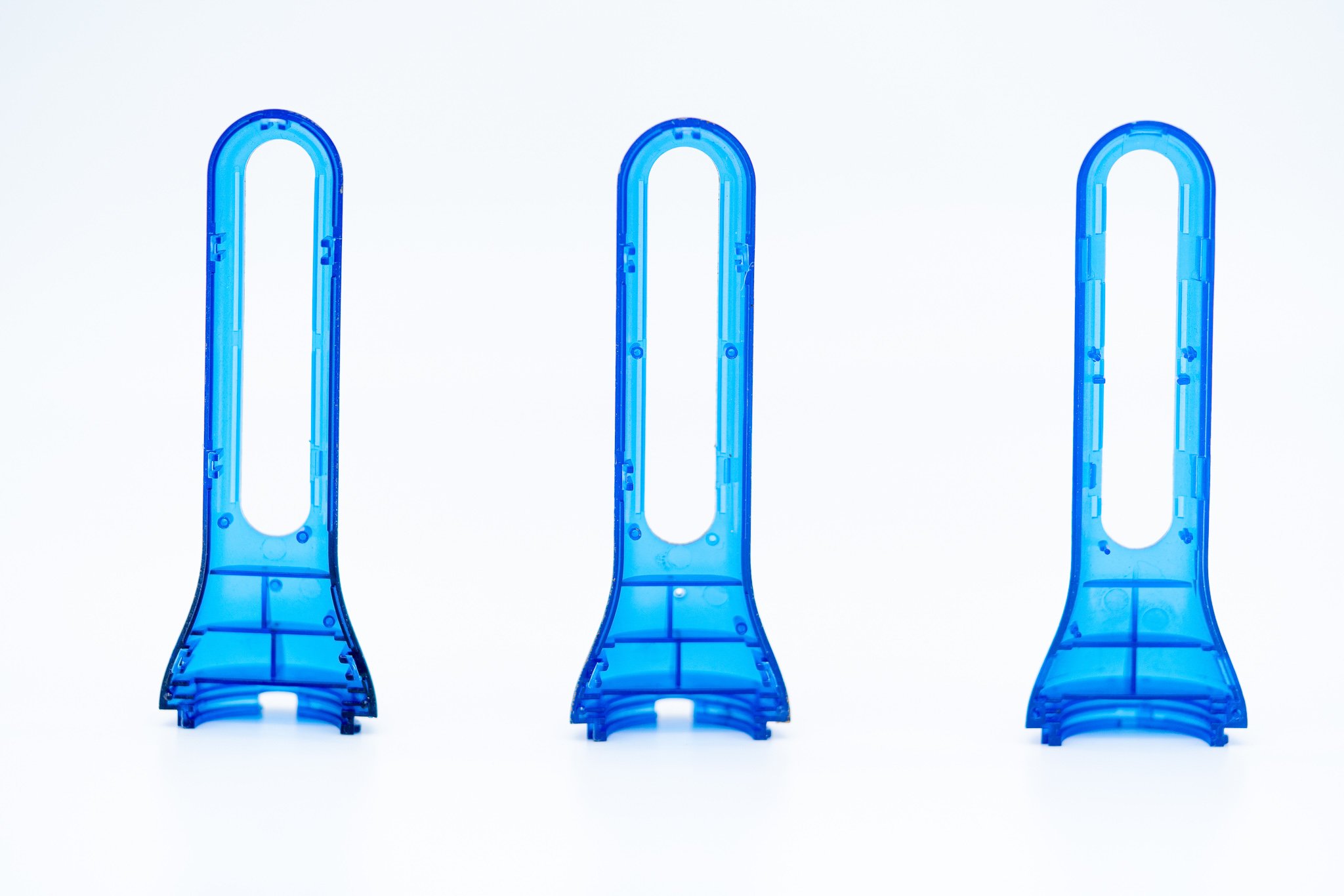
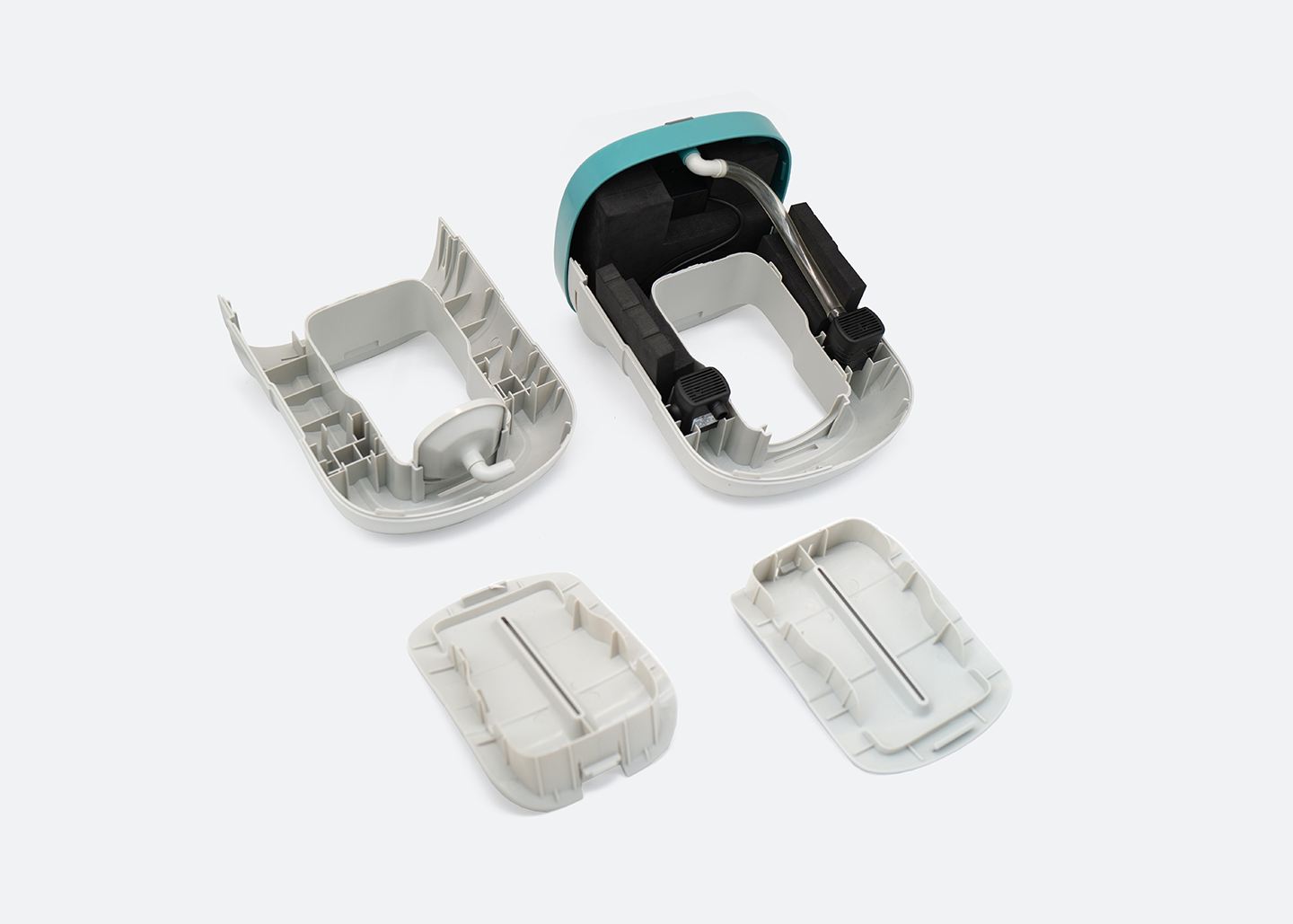
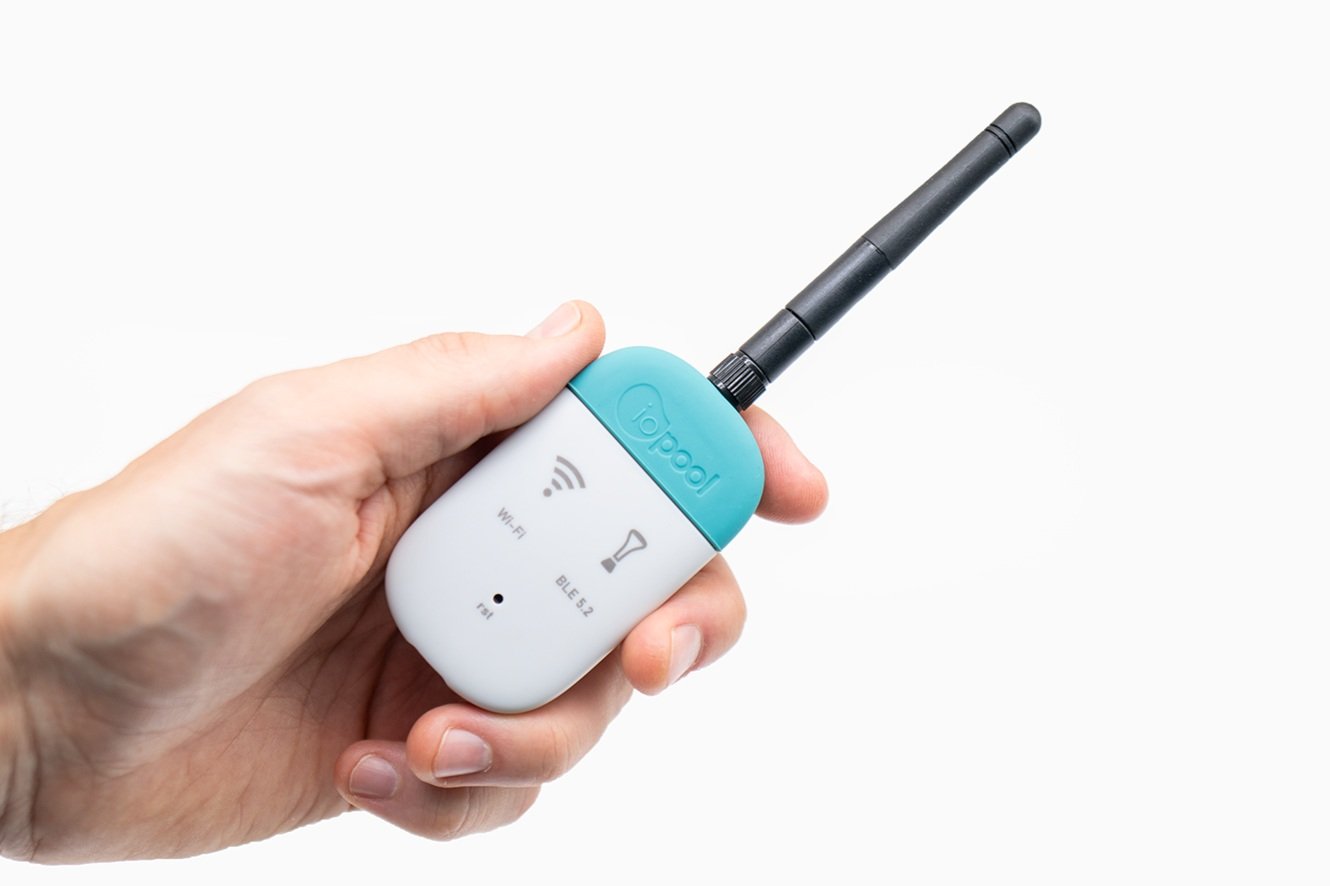
Prototyping transforms engineering documents into physical products you can test, validate, and refine. Our prototyping capabilities span from quick proof-of-concept models to fully functional engineering prototypes that closely replicate final production units. We utilize advanced manufacturing techniques including 3D printing, CNC machining, PCB fabrication, and custom assembly to create prototypes that accurately represent your product's form, fit, and function.
Our iterative prototyping approach allows you to test assumptions, validate design decisions, and gather user feedback before committing to expensive tooling and production. We build multiple prototype iterations, each incorporating learnings from the previous version, progressively refining the design until all technical and user experience requirements are met. This includes mechanical fit testing, electronic performance validation, thermal analysis, drop testing, and other reliability assessments that ensure your product will perform as intended in real-world conditions.
Beyond building prototypes, we document all testing results, identify design improvements, and prepare comprehensive Design for Manufacturing (DFM) recommendations. By the time prototyping is complete, you'll have a validated design, proven bill of materials, manufacturing assembly instructions, and test procedures—everything needed to transition smoothly into production. With over 1 million products manufactured and 70,000+ connected IoT devices deployed, we understand what it takes to move from prototype to scalable manufacturing.
Ready to Validate Your Product Concept?
Whether you're a startup with an innovative idea or an established company developing your next product line, our engineering team is ready to help you build, test, and validate prototypes that are ready for manufacturing.
Let's discuss your product development goals and create a clear roadmap from concept to production-ready prototype.
Frequently Asked Questions About Product Engineering & Prototype Validation
-
The timeline varies depending on product complexity, but typically ranges from 3-6 months for a fully functional prototype. Simple products may take 8-12 weeks, while complex IoT devices with custom electronics and firmware can take 6-9 months. During our initial feasibility assessment, we'll provide a realistic timeline based on your specific requirements and any technical challenges that need to be addressed.
-
A proof-of-concept (POC) is a basic model that demonstrates core functionality and validates that your idea is technically feasible. It typically uses off-the-shelf components and may not represent the final product's form factor. An engineering prototype, on the other hand, is a refined version that closely matches the intended production design, uses custom PCBs, incorporates your industrial design, and undergoes rigorous testing. Most projects progress through multiple prototype iterations, starting with POCs and advancing to engineering prototypes.
-
Yes. You receive complete ownership of all engineering deliverables including CAD files, circuit schematics, PCB designs, firmware source code, bill of materials (BOM), assembly instructions, test procedures, and technical documentation. These files are essential for transitioning to manufacturing and give you full control over your product's future development and production.
-
Project costs vary widely based on product complexity, number of prototype iterations, and specific requirements. A simple consumer product might range from $30,000-$75,000, while complex IoT devices with custom electronics and cloud integration can range from $100,000-$250,000 or more. During our initial consultation, we'll provide a detailed proposal with cost breakdowns, deliverables, and payment milestones. Our transparent pricing ensures you understand exactly what you're investing in at each stage.
-
Yes. We offer end-to-end support from concept through manufacturing and delivery. Once your prototype is validated, we can help with Design for Manufacturing (DFM) optimization, supplier selection, manufacturing setup, quality control processes, and production scaling. Our modular and sustainable manufacturing capabilities have produced over 1 million products, so we understand what it takes to transition smoothly from prototype to production. You can choose to work with our manufacturing partners or take the validated design to your preferred manufacturer.
Have more questions? Contact our engineering team to discuss your specific product development needs.