
Turning Designs into Manufacturable Products
Where industrial design, mechanical engineering, and manufacturing expertise meet.
At Tektos Ecosystems, we transform creative concepts into production-ready designs that balance aesthetics, functionality, and manufacturability. With over 20 years of experience and more than 1 million products manufactured, our design engineering team understands what it takes to create products that not only look impressive but can also be produced efficiently at scale. We work with startups and Fortune 500 companies to bridge the gap between industrial design vision and manufacturing reality.
Our integrated approach combines industrial design expertise with deep mechanical engineering knowledge and manufacturing experience. This allows us to optimize every aspect of your product—from user experience and visual appeal to structural integrity and assembly efficiency. Whether you're developing a consumer device, an IoT product, or an industrial solution, we ensure your design is not just beautiful, but built to last and ready for the real world.
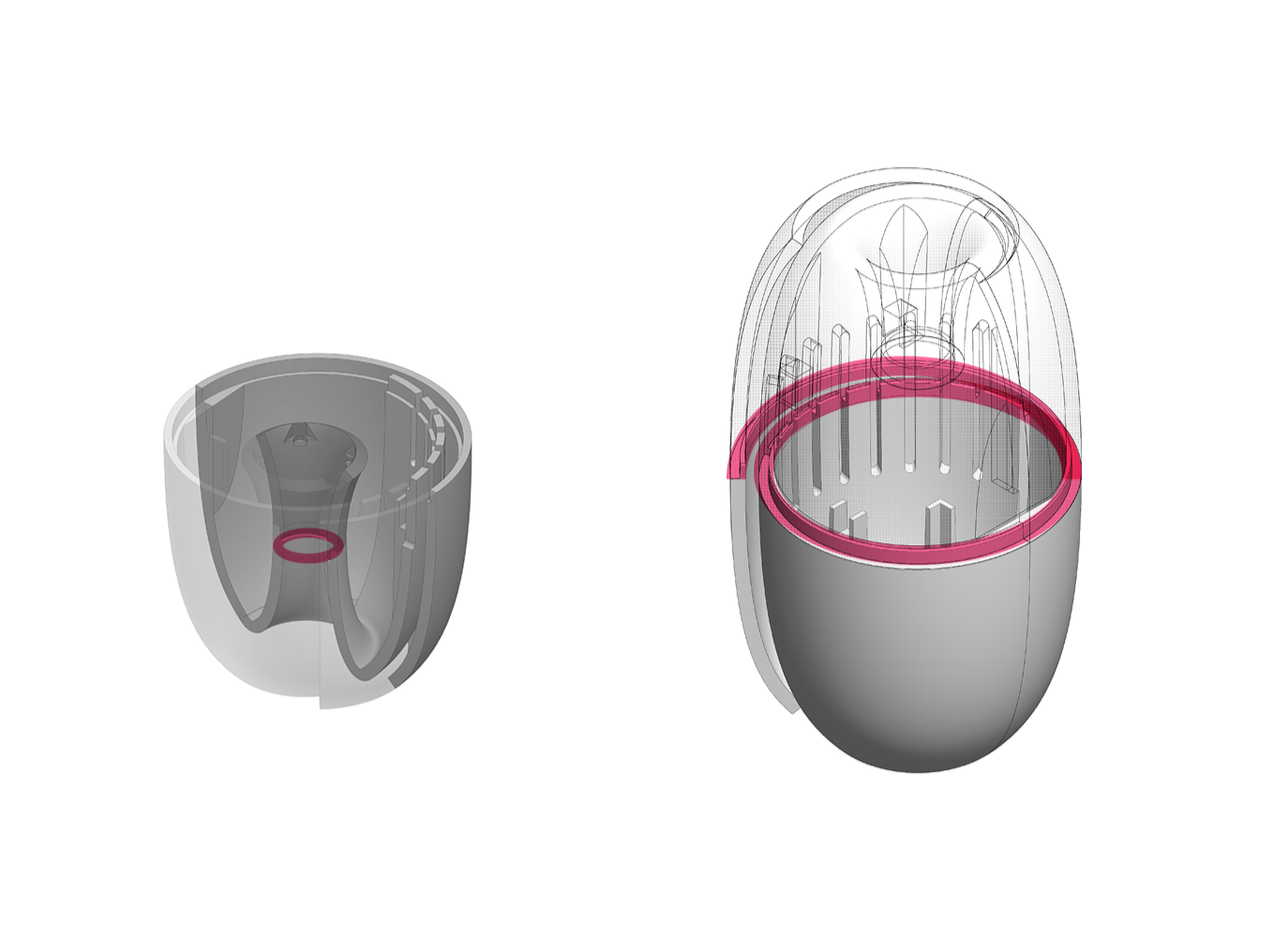
Product ID Design
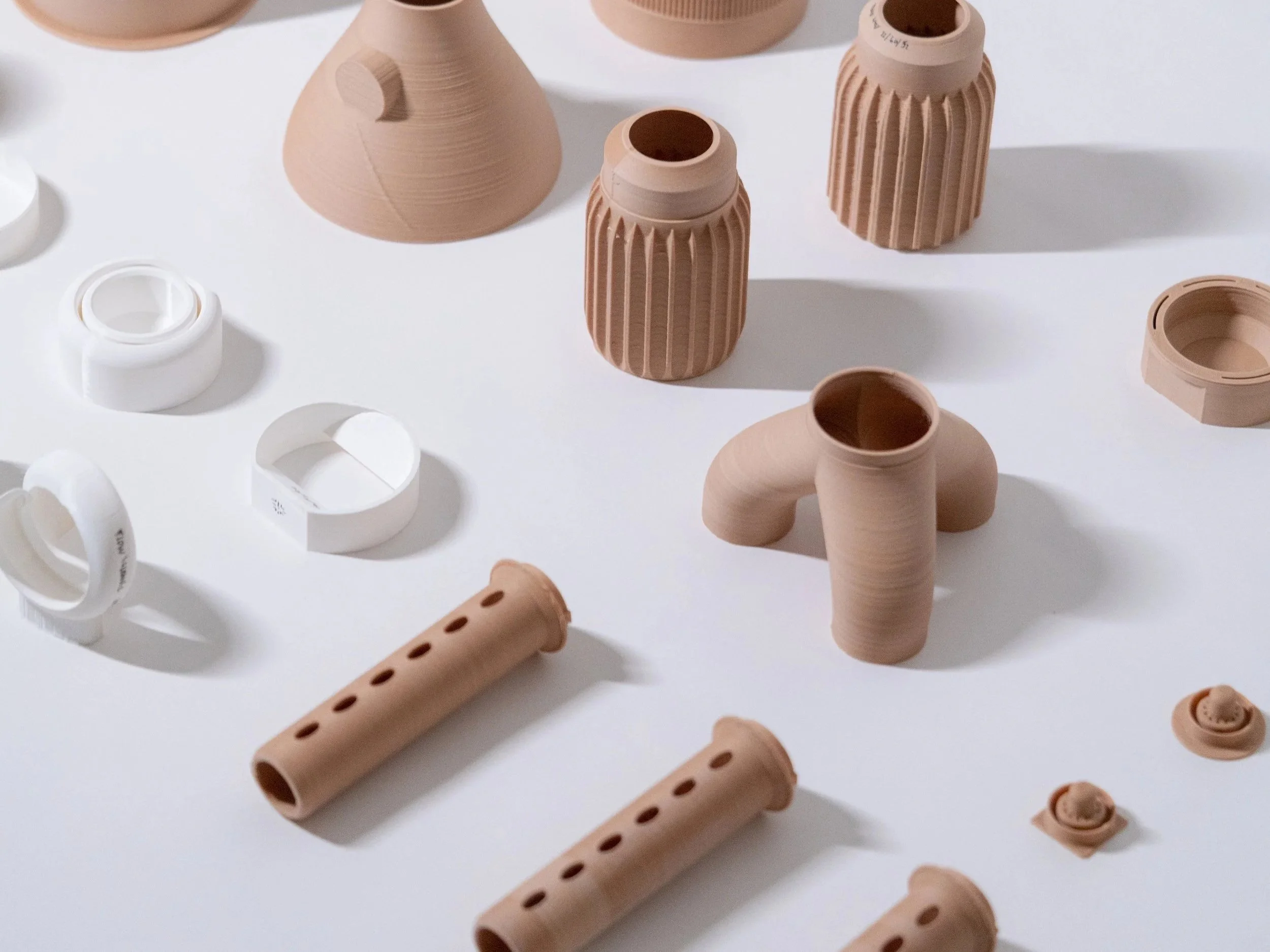
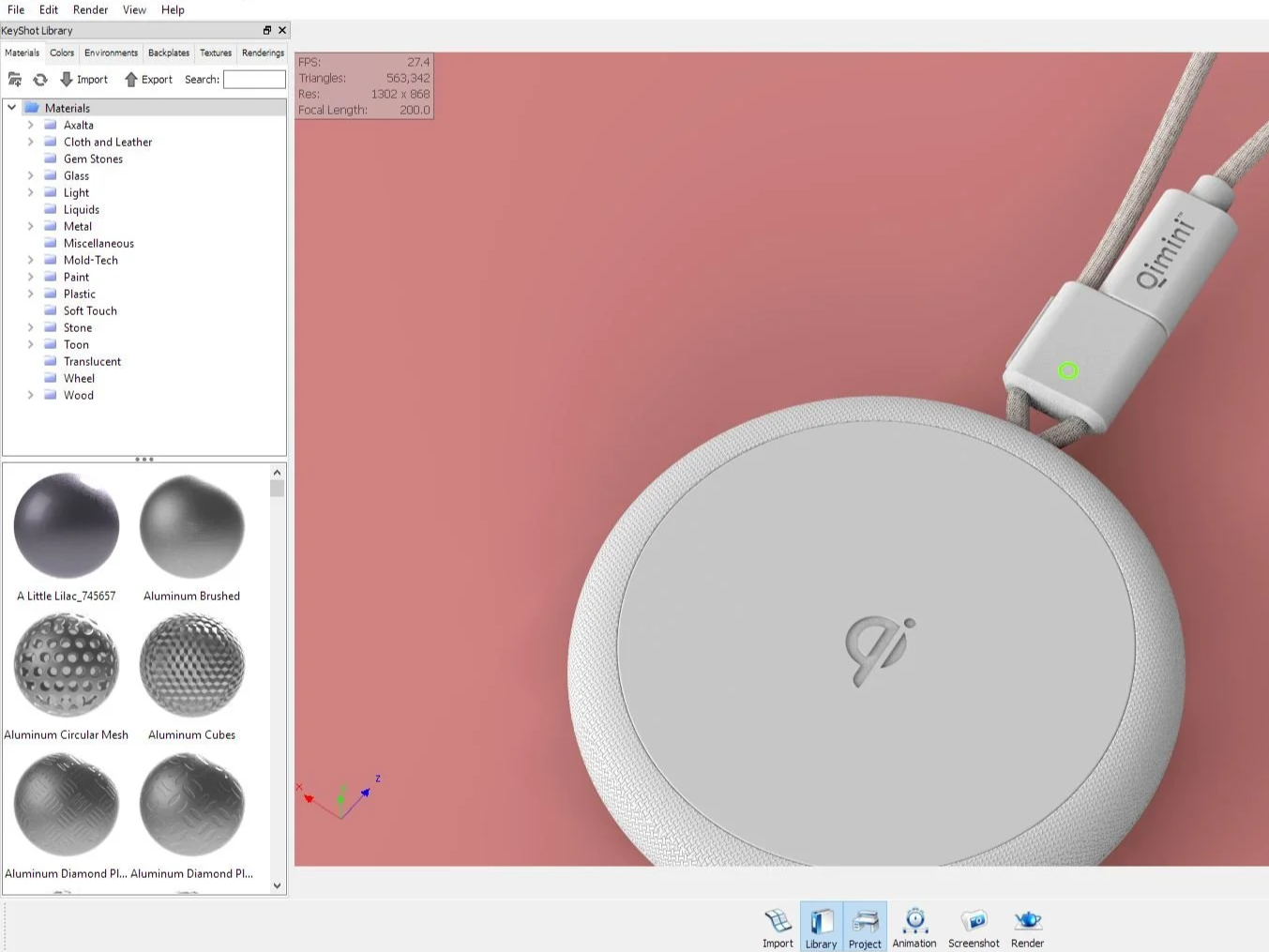
Industrial design is where form meets function. Our product ID design team creates compelling, user-centered designs that capture your brand identity while solving real user problems. We develop products that are intuitive to use, visually distinctive, and emotionally engaging. From initial sketches and mood boards to detailed 3D renderings and physical mockups, we explore multiple design directions to find the perfect balance between aesthetics, ergonomics, and technical feasibility.
Our design process is deeply collaborative and user-focused. We conduct competitive analysis, create user personas, develop interaction models, and validate design decisions through user testing and feedback. We consider every touchpoint—how the product feels in hand, how controls are positioned for intuitive use, how materials and finishes convey quality, and how the overall design aligns with your brand positioning. Our industrial designers work hand-in-hand with mechanical engineers from day one, ensuring that every design element can be manufactured efficiently.
Beyond creating beautiful products, we deliver comprehensive design documentation including CAD models, technical drawings, color and material specifications, CMF (Color, Material, Finish) guides, and assembly visualizations. These deliverables ensure seamless handoff to engineering and manufacturing teams, maintaining design intent throughout the production process. Our award-winning portfolio includes 27 international design awards, demonstrating our commitment to design excellence that resonates with users and stands out in the market.
Mechanical Design
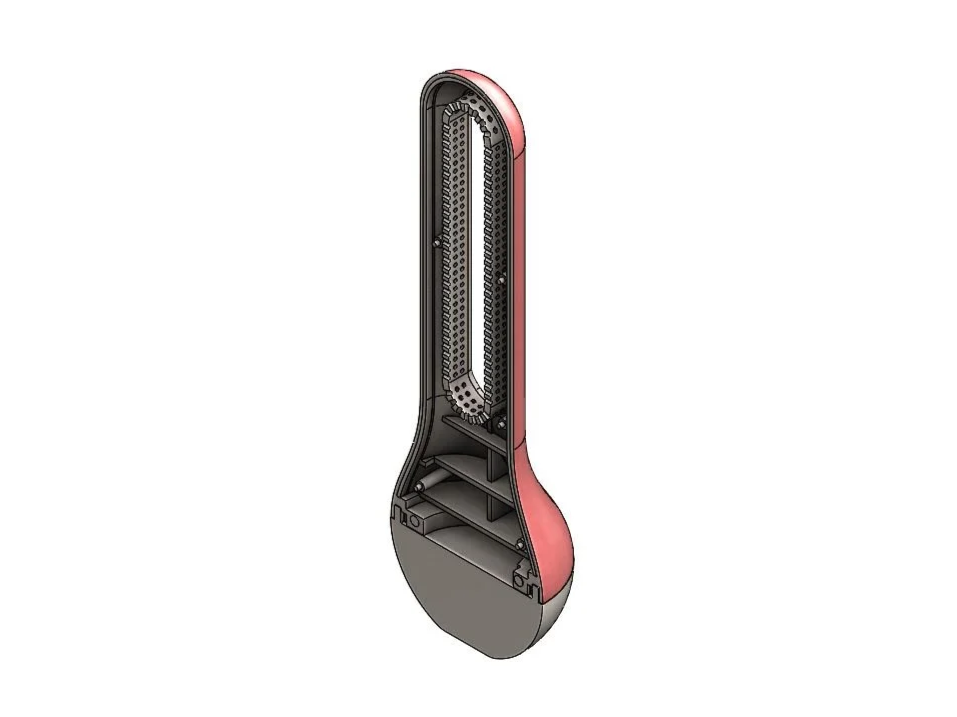
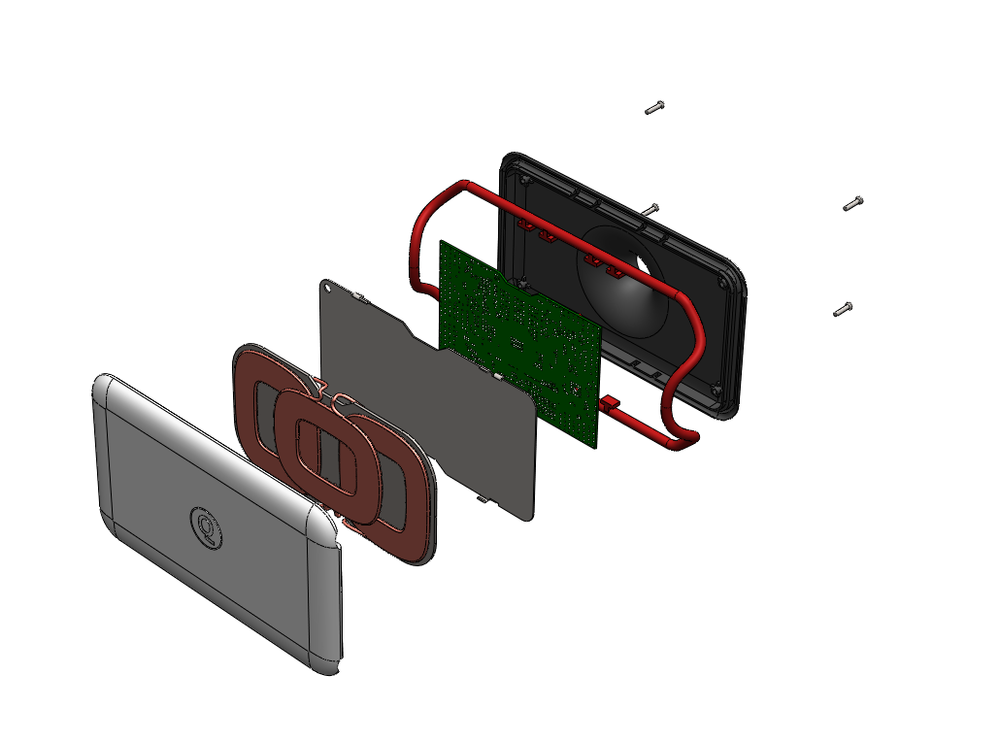
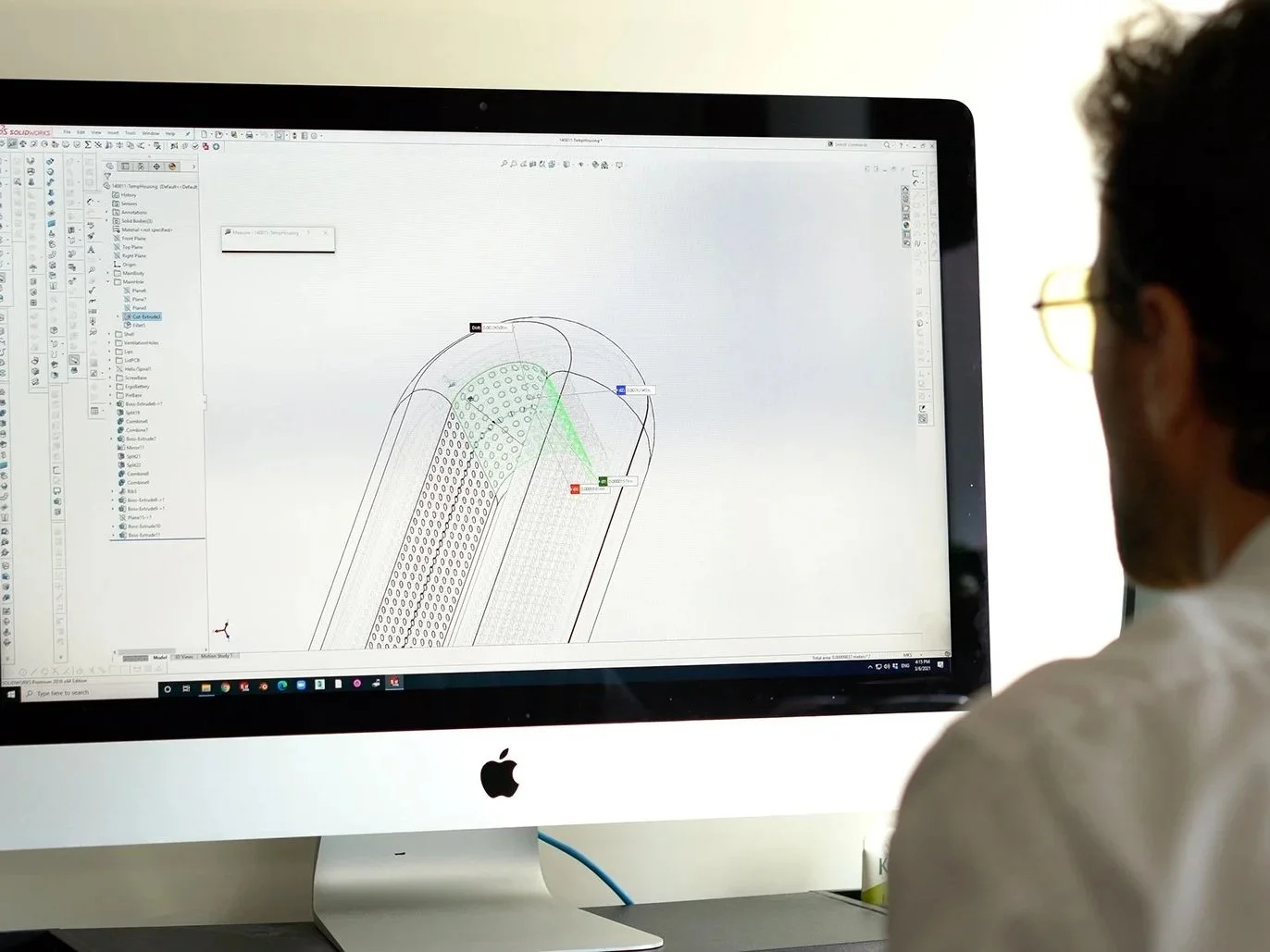
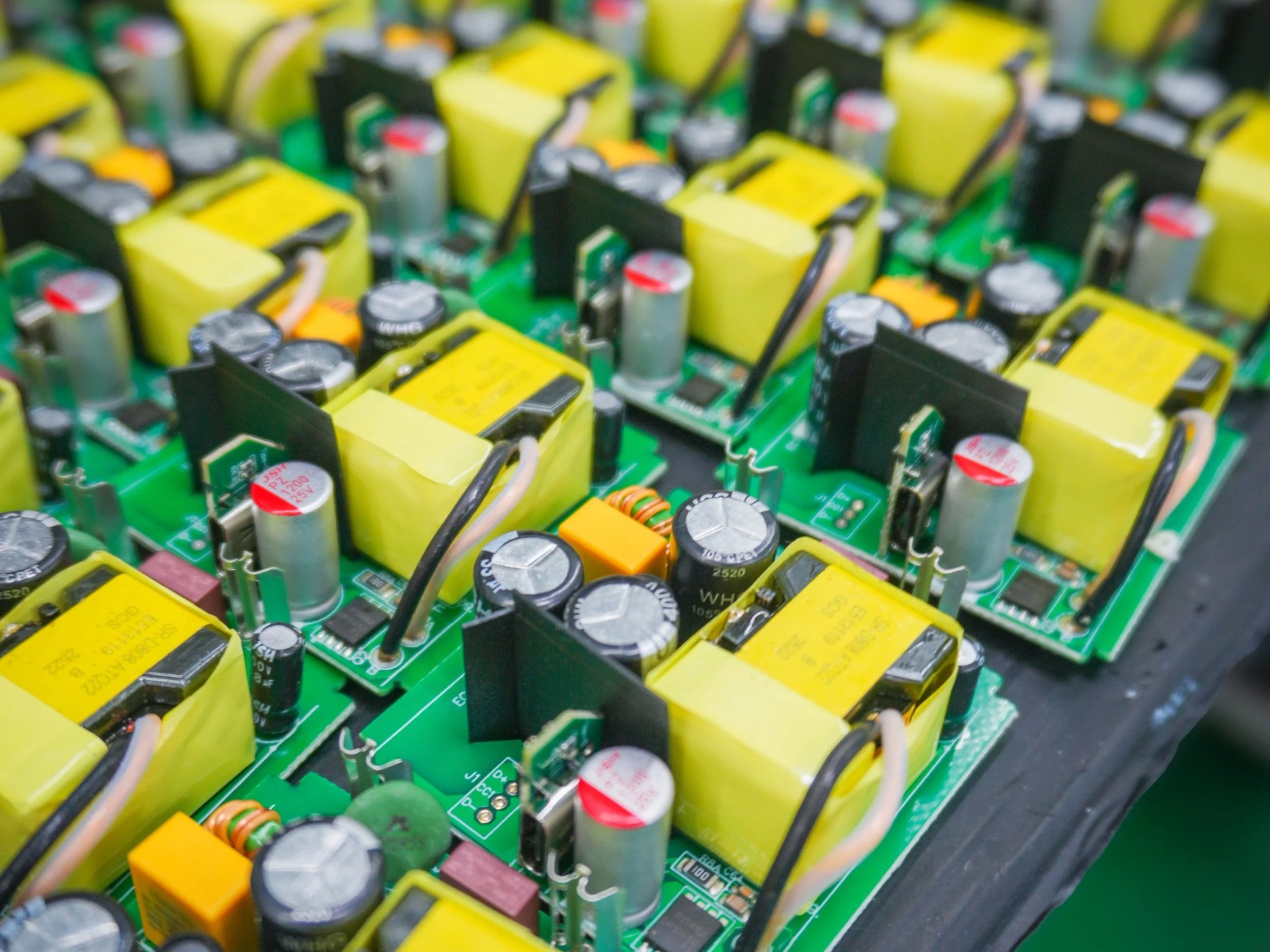
Great industrial design needs solid mechanical engineering to become reality. Our mechanical design team transforms aesthetic concepts into structurally sound, functionally robust products that can withstand real-world use. We develop detailed mechanical assemblies, select appropriate materials, design internal structures and mounting systems, create snap-fit and fastening mechanisms, and engineer housings that protect sensitive electronics while ensuring proper thermal management and manufacturability.
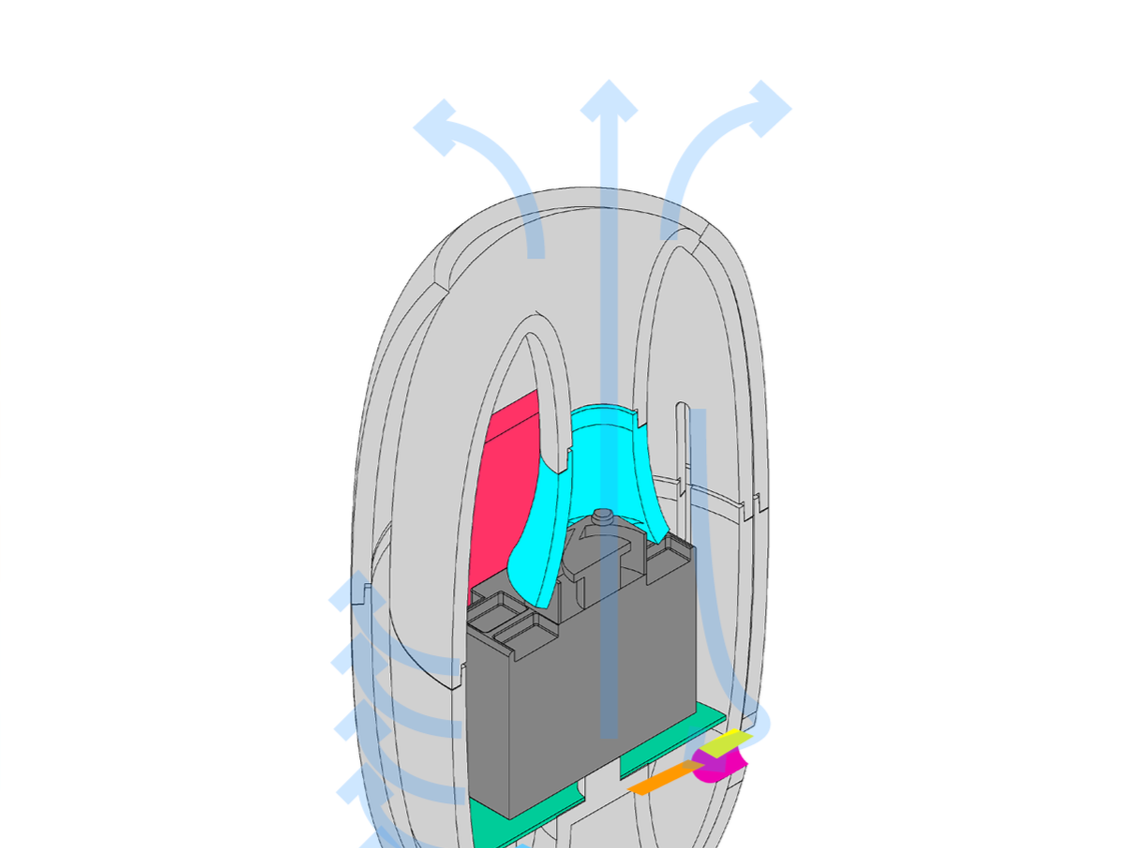
Our mechanical engineering process includes extensive analysis and validation. We perform finite element analysis (FEA) to verify structural integrity, conduct thermal simulations to ensure proper heat dissipation, analyze tolerance stack-ups to guarantee proper fit and assembly, and validate mechanical mechanisms through motion studies. This simulation-driven approach allows us to identify and resolve potential issues before physical prototyping, reducing development time and minimizing costly redesigns.
We design with manufacturing in mind from the start. This includes optimizing part geometry for injection molding or other manufacturing processes, minimizing part count to reduce assembly complexity and cost, designing for automated assembly where appropriate, and ensuring consistent wall thicknesses and draft angles for quality production.
Our mechanical designs include complete documentation with detailed engineering drawings, assembly instructions, bill of materials (BOM), and tolerance specifications—everything needed for seamless transition to manufacturing. With deep expertise across materials including plastics, metals, composites, and elastomers, we select the right solution for your performance requirements and budget constraints.
Mechanical Engineering
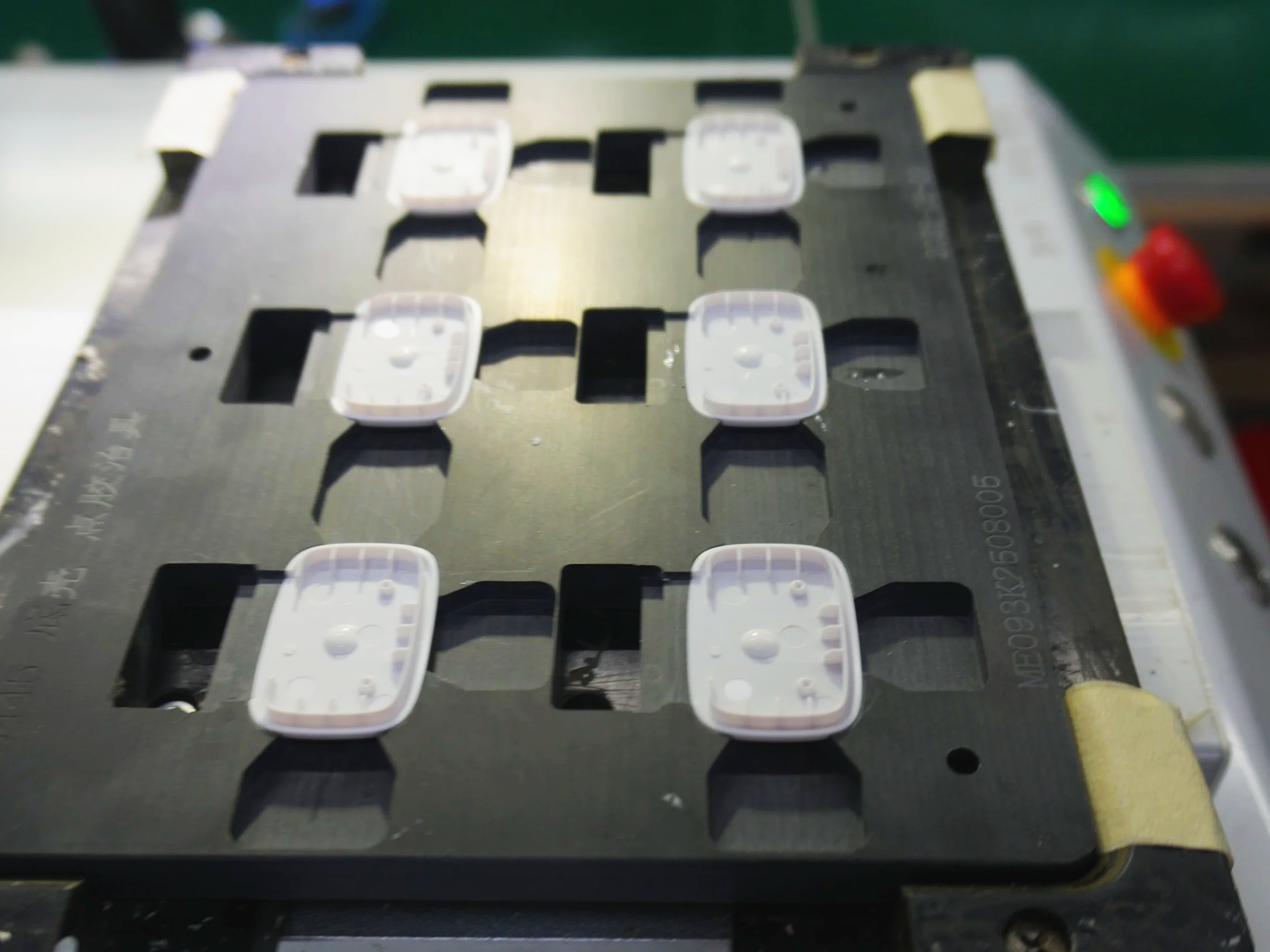
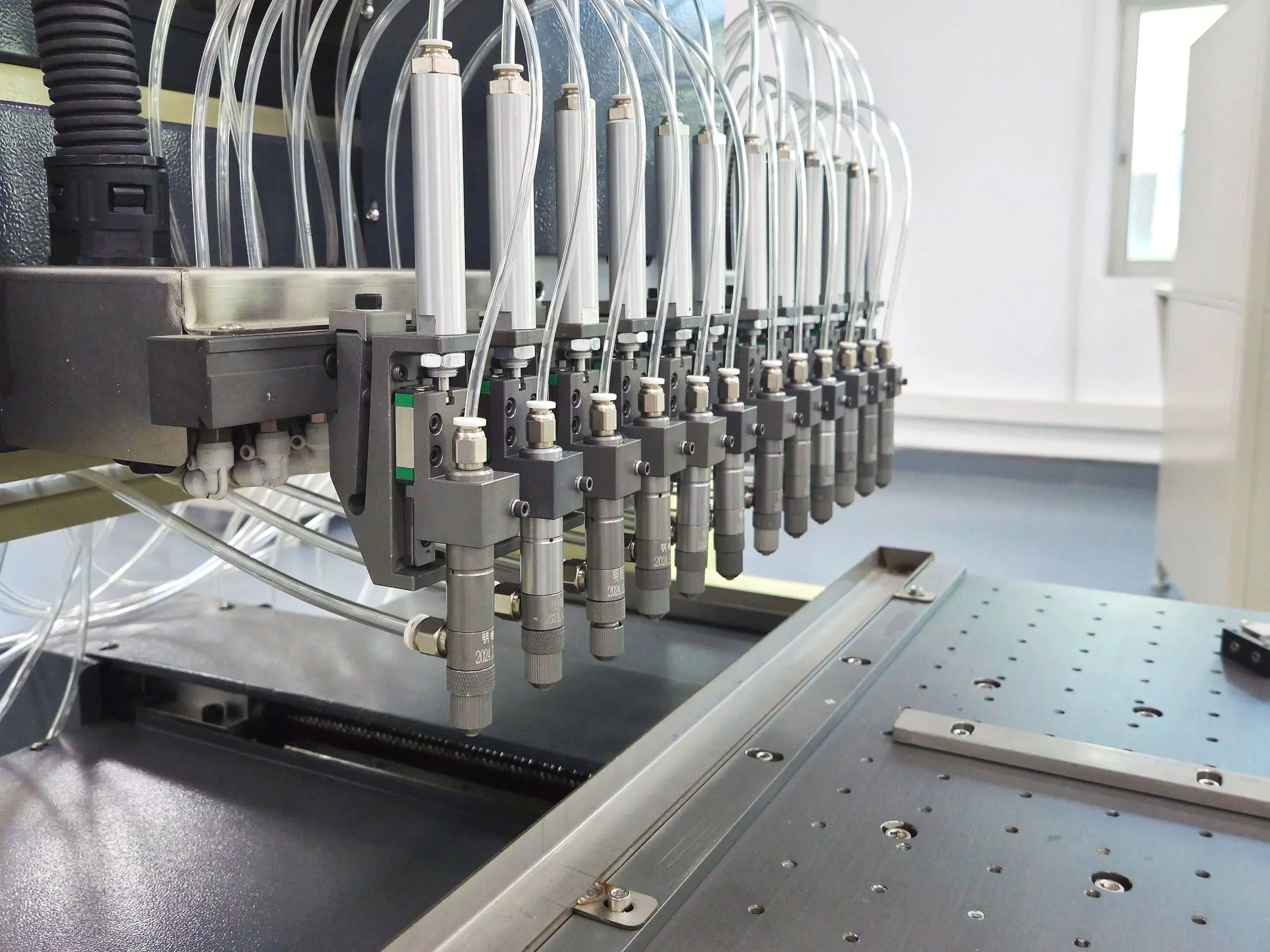
Mechanical engineering is the backbone of product development, ensuring that designs perform reliably under real-world conditions. Our mechanical engineering team brings rigorous analytical expertise to every project, combining theoretical knowledge with practical manufacturing experience. We tackle complex engineering challenges including stress and load analysis, vibration and shock resistance, thermal management systems, fluid dynamics and airflow optimization, and precision mechanism design for moving parts and assemblies.
Our engineers use advanced simulation tools to validate designs before physical prototypes are built. This includes finite element analysis (FEA) to predict how parts will behave under various loads and stresses, computational fluid dynamics (CFD) to optimize cooling and ventilation systems, kinematic analysis to verify motion and mechanical advantage in assemblies, and modal analysis to identify and eliminate potential vibration issues. These simulations allow us to optimize designs for performance, reliability, and cost-effectiveness while reducing the number of physical prototype iterations needed.
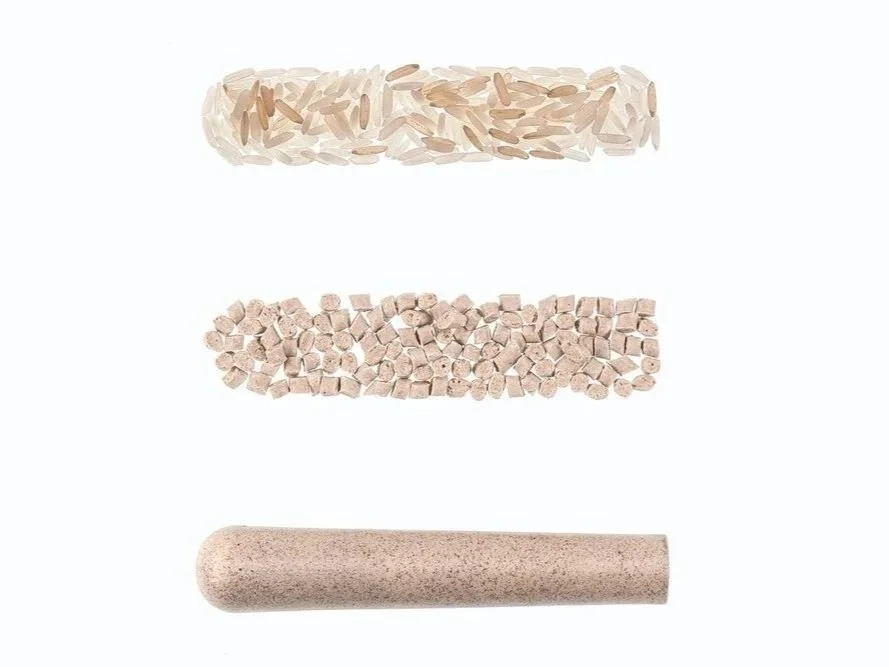
We also specialize in material science and selection, helping you choose the optimal materials for your application. Whether you need high-strength metals for structural components, engineered plastics for lightweight durability, elastomers for sealing and damping, composites for specialized performance requirements, or sustainable materials that align with environmental goals, we evaluate options based on mechanical properties, cost, manufacturability, and lifecycle considerations. Our mechanical engineers document every aspect of the design, including detailed specifications, tolerance analysis, stress calculations, material certifications, and test protocols—ensuring your product meets all performance requirements and industry standards.
Tooling Engineering
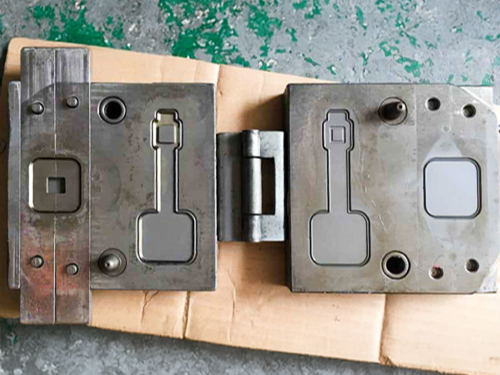
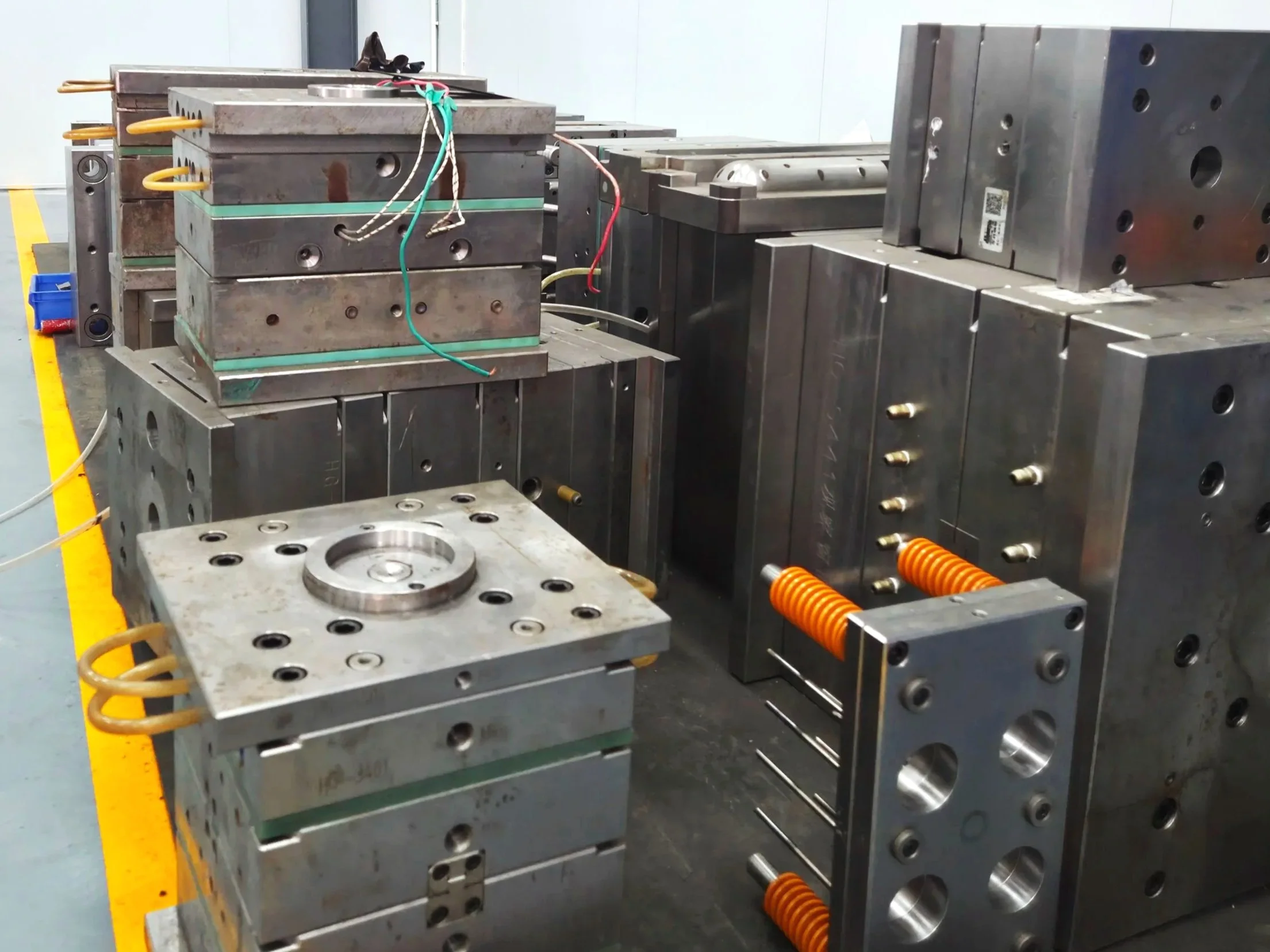
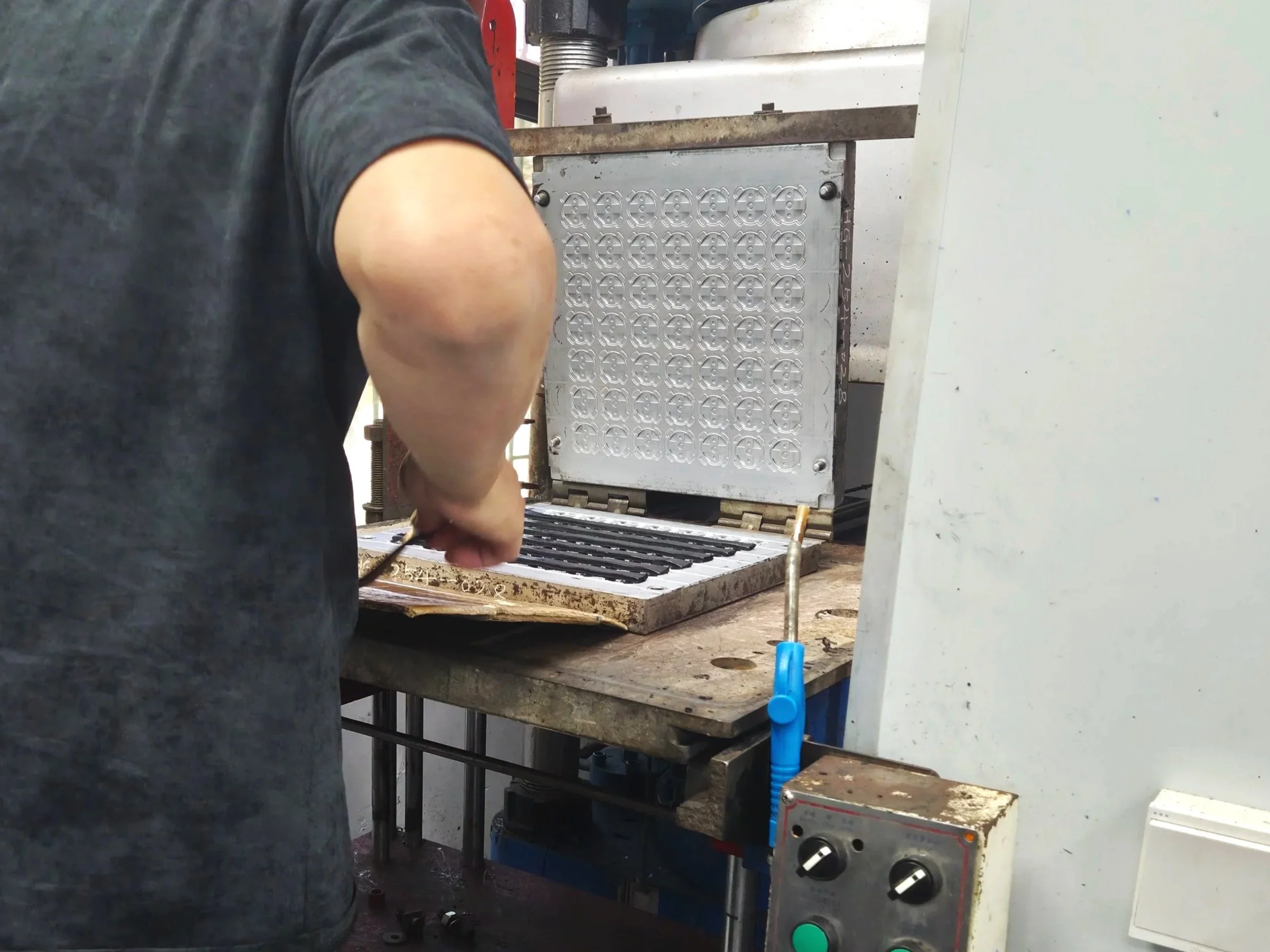
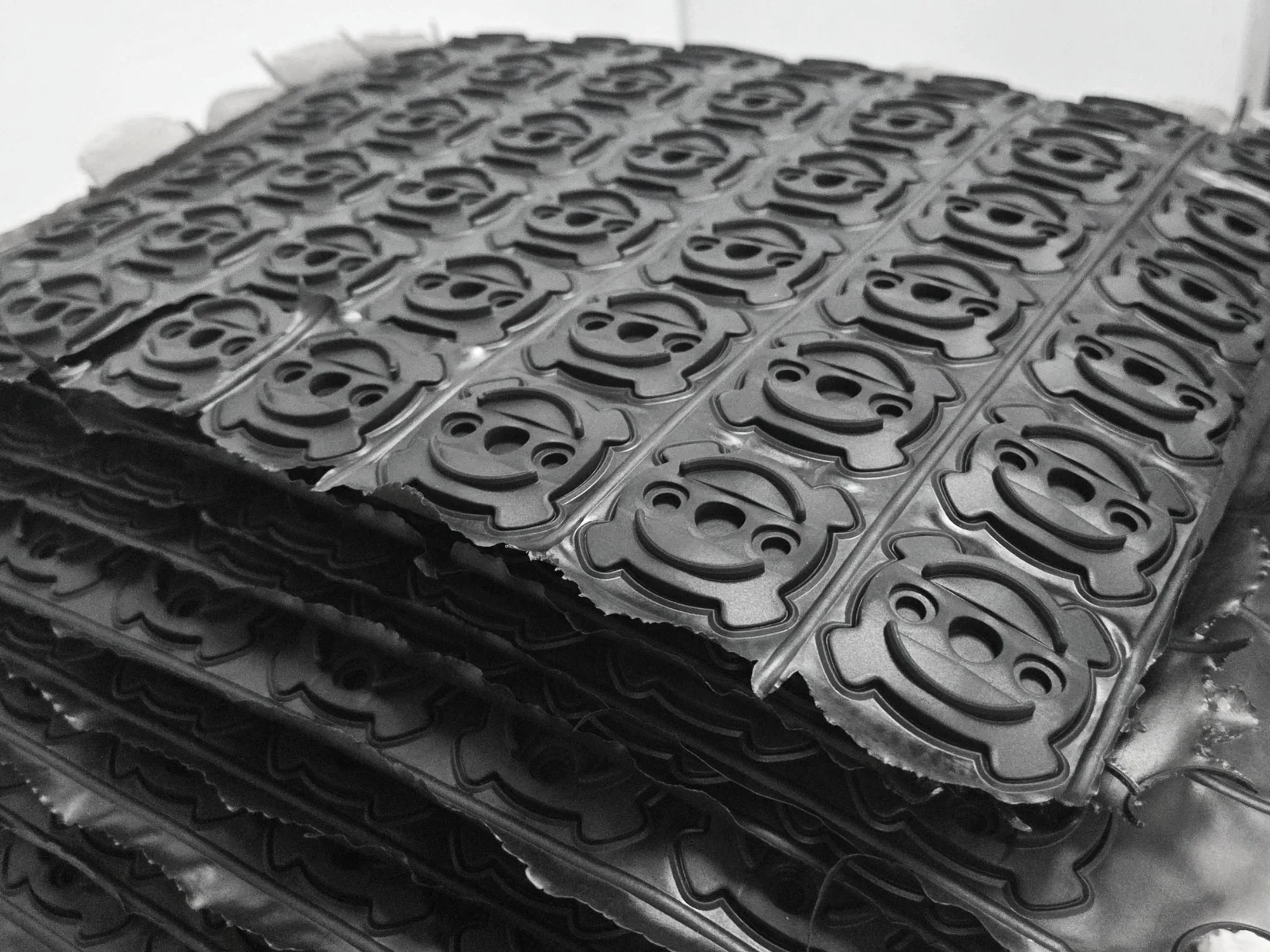
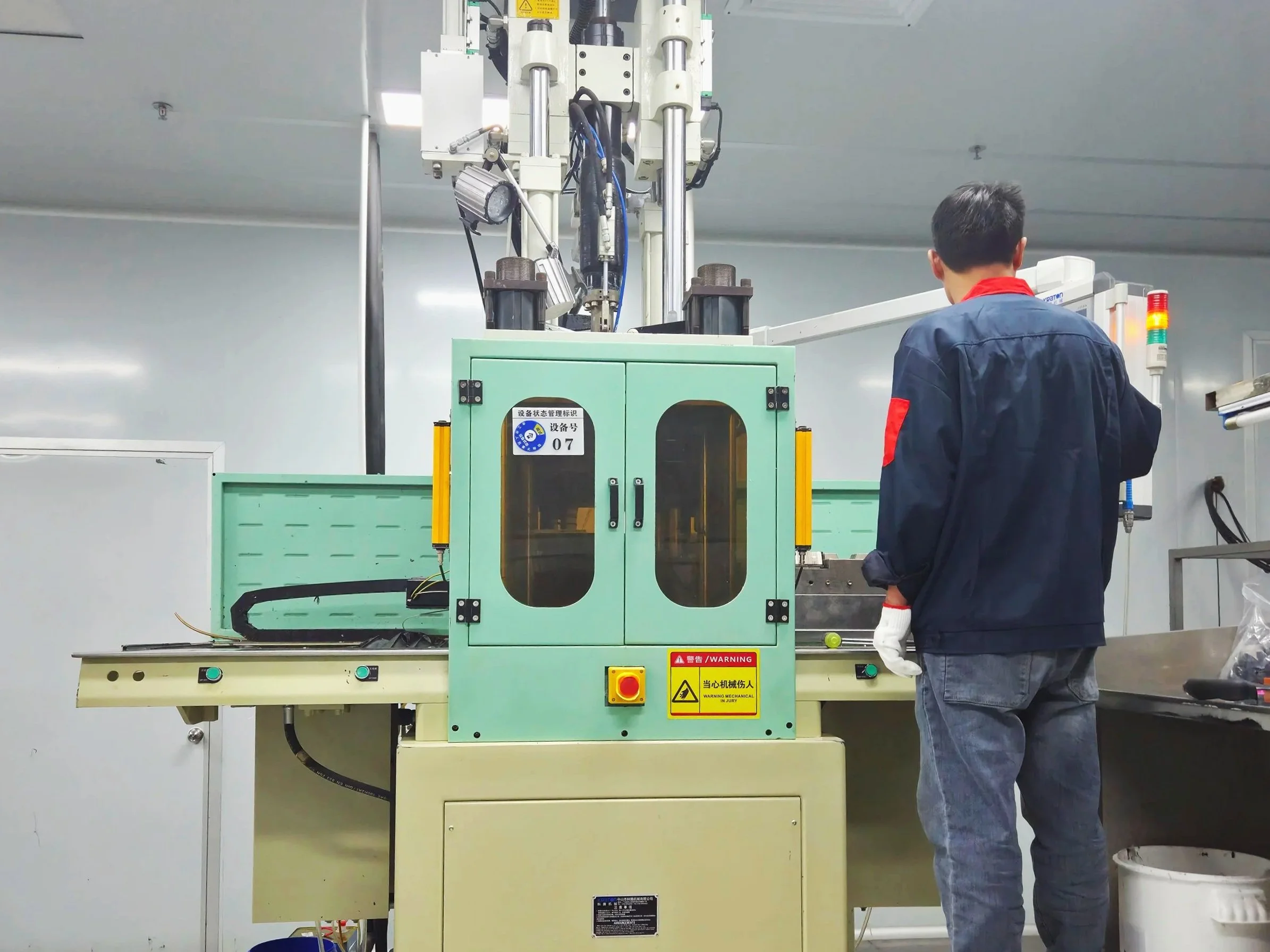
The bridge between design and mass production is tooling. Our tooling engineering expertise ensures your product can be manufactured consistently, efficiently, and at the quality level your customers expect. We work closely with tooling partners and manufacturers to develop injection molds, die-cast tooling, stamping dies, and other production tools that translate your design into thousands or millions of identical units. Proper tooling engineering is critical—it directly impacts product quality, manufacturing cost, and time to market.
Our tooling engineering services include Design for Manufacturing (DFM) analysis to optimize part geometry for production, mold flow analysis to predict and prevent defects like warping, sink marks, or incomplete fills, tooling design and specification including cavity layout, gating, cooling channels, and ejection systems, and material selection guidance for optimal moldability and performance. We also coordinate tooling trials, first article inspections, and production validation to ensure tooling produces parts that meet all specifications before full production begins.
We understand that tooling represents a significant investment, typically ranging from $10,000 to $100,000+ per tool depending on complexity. That's why we take a strategic approach, helping you balance tooling cost against production volume, part complexity, and quality requirements. We can recommend cost-effective approaches like family molds for low-volume production, prototype tooling for market validation before committing to production tools, or modular tooling strategies that allow design iterations without complete tool replacement. Our experience with manufacturing over 1 million products means we've seen what works and what doesn't, helping you avoid expensive mistakes and ensuring your tooling investment delivers reliable, high-quality production for years to come.
Ready to Transform Your Design into a Manufacturing Reality?
Whether you're refining an industrial design concept or preparing for production, our design engineering team has the expertise to turn your vision into a manufacturable, market-ready product.
Let's discuss your design challenges and create a clear path from concept to production-ready design.
-
Industrial design (ID) focuses on the aesthetic, ergonomic, and user experience aspects of a product—how it looks, feels, and functions from a user's perspective. Mechanical engineering focuses on the internal structure, materials, mechanisms, and technical performance—ensuring the product is structurally sound, durable, and manufacturable. At Tektos, we integrate both disciplines from the start, ensuring designs are both beautiful and buildable. Our industrial designers and mechanical engineers collaborate throughout the process, preventing the common problem of designs that look great but can't be manufactured cost-effectively.
-
The timeline varies based on product complexity, but most design engineering projects take 2-4 months. Simple products with straightforward mechanical requirements might take 6-8 weeks, while complex products with multiple components, intricate mechanisms, or advanced materials can take 4-6 months. This includes industrial design development, mechanical engineering, DFM optimization, and tooling preparation. During our initial consultation, we'll provide a realistic timeline based on your specific product and requirements.
-
Yes. We offer end-to-end services from industrial design through manufacturing and delivery. Our design engineering team creates production-ready designs, and our manufacturing partners (or yours) produce the final product. This integrated approach ensures design intent is maintained throughout production and eliminates the finger-pointing that often happens when design and manufacturing are separate. However, you can also engage us for design engineering only and take the completed designs to your preferred manufacturer—you'll receive all necessary files and documentation.
-
Design for Manufacturing (DFM) is the practice of designing products specifically for efficient, cost-effective manufacturing. This includes optimizing part geometry for molding or machining, minimizing part count, selecting appropriate materials, designing for assembly, and ensuring consistent quality. Poor DFM leads to expensive tooling, high defect rates, difficult assembly, and ultimately higher production costs. Our team applies DFM principles from the earliest design stages, potentially saving you 20-40% in manufacturing costs and preventing costly redesigns after tooling is complete.
-
You receive complete design documentation including 3D CAD models in native and neutral formats (STEP, IGES), detailed engineering drawings with dimensions and tolerances, bill of materials (BOM) with part specifications, color, material, and finish (CMF) specifications, assembly instructions and exploded views, DFM reports with manufacturing recommendations, simulation results and analysis reports, and tooling specifications ready for manufacturer quotes. All intellectual property and design files belong to you. These deliverables ensure you have everything needed to manufacture your product anywhere in the world, giving you flexibility and control over your supply chain.
Frequently Asked Questions About Design Engineering
Have more questions? Contact our design engineering team to discuss your specific product development needs.