
iBebot Growers App: Smart Plant Monitoring System
Empowering Plant Enthusiasts with Data-Driven Growing
YEAR
2021
CLIENT
EXPERTISE
UX & UI
Testing & Qualification
iOS Mobile App
Android Mobile App
Project Overview
In 2021, iBebot approached Tektos Ecosystems with a vision to transform indoor plant care through smart technology. The houseplant market had experienced explosive growth, with millions of people discovering the joys of indoor gardening during the pandemic. However, keeping plants healthy remained challenging, particularly for beginners who struggled to understand what their plants needed.
Traditional plant care relied on guesswork, general guidelines, and learning through trial and error. "Water weekly" meant different things in different environments. "Bright indirect light" was subjective. Plant parents often discovered problems too late—when leaves yellowed, growth stunted, or plants wilted—rather than preventing issues before visible symptoms appeared.
iBebot had developed innovative IoT sensors capable of monitoring multiple environmental and soil parameters critical to plant health. These sensors could measure temperature and humidity in the growing environment, soil moisture levels indicating when watering was needed, and soil nutrient content showing fertilization requirements. The technology provided unprecedented visibility into plant conditions, but it needed a compelling, user-friendly interface to unlock its potential.
The challenge wasn't just technical—it was deeply human. Plant enthusiasts ranged from complete beginners anxiously caring for their first pothos to experienced growers managing collections of dozens of rare specimens. The application needed to serve this diverse audience, making complex environmental data accessible to novices while providing the depth that experienced growers valued.
Working across UX design, UI design, mobile development for both iOS and Android, and extensive testing and qualification, we created the iBebot Growers App: a comprehensive plant monitoring platform that transformed how people care for their indoor gardens, making expertise accessible and success achievable for plant lovers at every level.
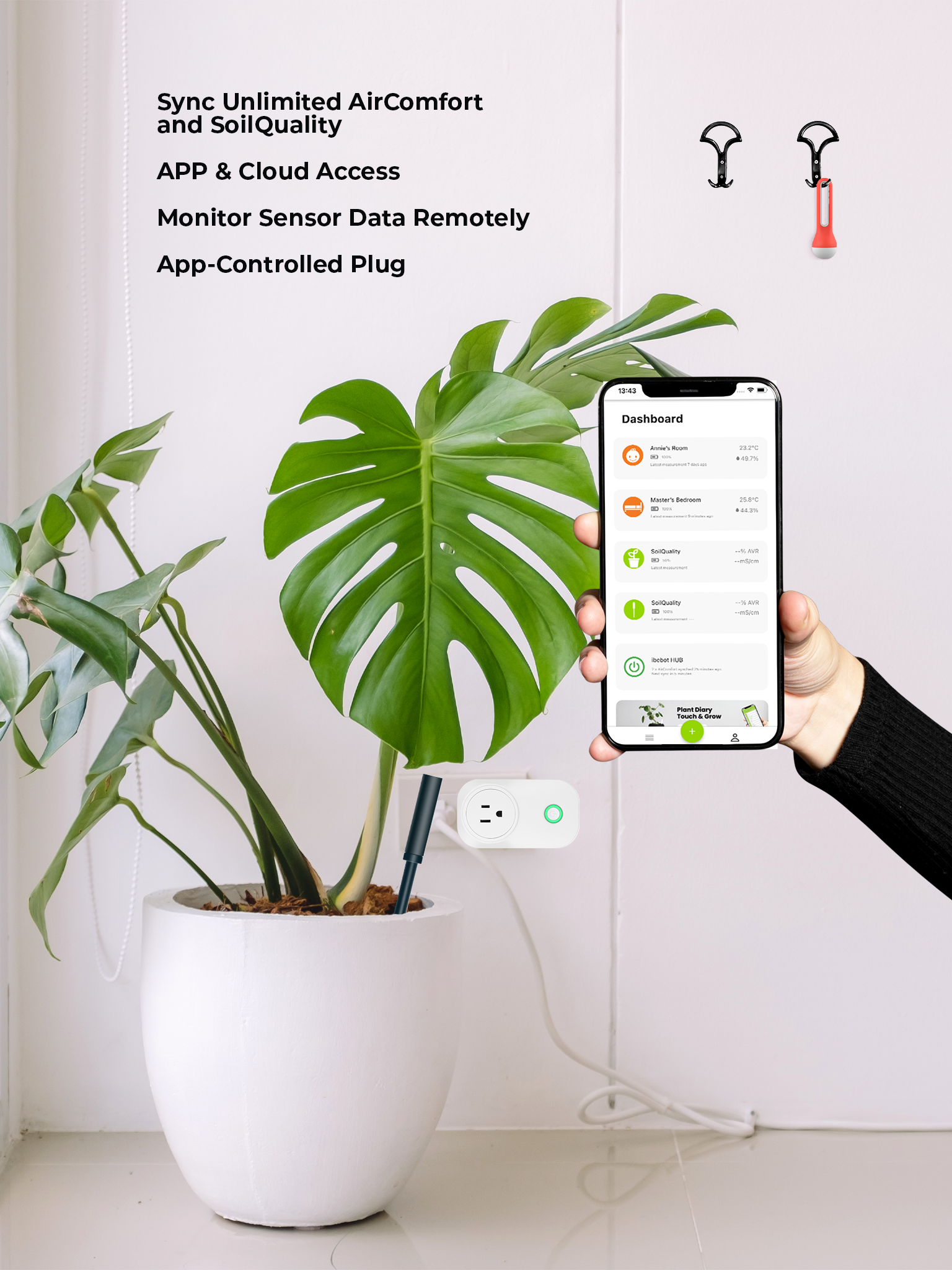
Creating an effective plant monitoring application presented unique challenges at the intersection of technology, horticulture, and user experience. The underlying complexity was significant—environmental and soil conditions interact in intricate ways affecting plant health, different plant species have vastly different requirements, and optimal conditions change throughout growth cycles and seasons.
The technical architecture needed to support reliable connectivity with multiple sensors across various locations. Users might have sensors in different rooms or even different buildings, each monitoring different plants with different needs. The app needed to manage connections with all these sensors simultaneously, handling data synchronization, firmware updates, battery status monitoring, and connectivity troubleshooting.
Data presentation posed significant UX challenges. Four parameters per sensor—temperature, humidity, soil moisture, and soil nutrients—across potentially dozens of sensors generated substantial data streams. Users needed to understand current conditions at a glance without being overwhelmed by numbers. They needed to know not just what conditions were, but whether those conditions were appropriate for their specific plants.
The application needed to work seamlessly across both iOS and Android platforms, maintaining consistent functionality and user experience despite platform differences. This cross-platform development required careful architecture planning, platform-specific optimization, and extensive testing on diverse devices to ensure reliability.
Alert and notification systems needed sophisticated logic. Not every threshold crossing required an alert—brief fluctuations were normal and alerting on every variation would create notification fatigue. Yet critical conditions like severely low soil moisture or extreme temperatures required immediate notification before damage occurred. The system needed intelligence to distinguish between normal variation and genuine problems requiring attention.
Sensor setup and configuration had to be straightforward. IoT device pairing often frustrates users with complex procedures, failed connections, and unclear error states. For an application targeting plant enthusiasts rather than tech experts, the setup process needed to be intuitive and reliable, guiding users through pairing, calibration, and placement with clear instructions and helpful feedback.
Plant management within the app presented another layer of complexity. Users needed to identify their plants, specify care requirements, and track multiple specimens. This required a plant database or identification system, the ability to set custom thresholds for different species, and organization tools for managing collections of various sizes.
From a design perspective, the application needed to feel approachable and encouraging rather than technical and intimidating. Plant care is emotional—people develop genuine affection for their plants. The app's tone, visual design, and interaction patterns needed to reflect this emotional connection while maintaining the credibility that comes from accurate, reliable data.
Finally, the application needed to provide actionable guidance. Showing that soil moisture was at 15% meant little without context. Was that too dry? When should the user water? How much? The app needed to translate sensor data into specific, actionable recommendations that empowered users to care for their plants effectively.
The Challenge

Our Approach
We began by researching plant care requirements and interviewing plant enthusiasts about their routines and pain points. This informed a user experience centered on three core journeys: sensor setup, ongoing monitoring, and responding to alerts.
User Experience and Interface Design
The sensor setup flow provided guided, visual instructions through unboxing, pairing, WiFi configuration, and plant assignment. Clear progress indicators and helpful error messages made the process forgiving for non-technical users.
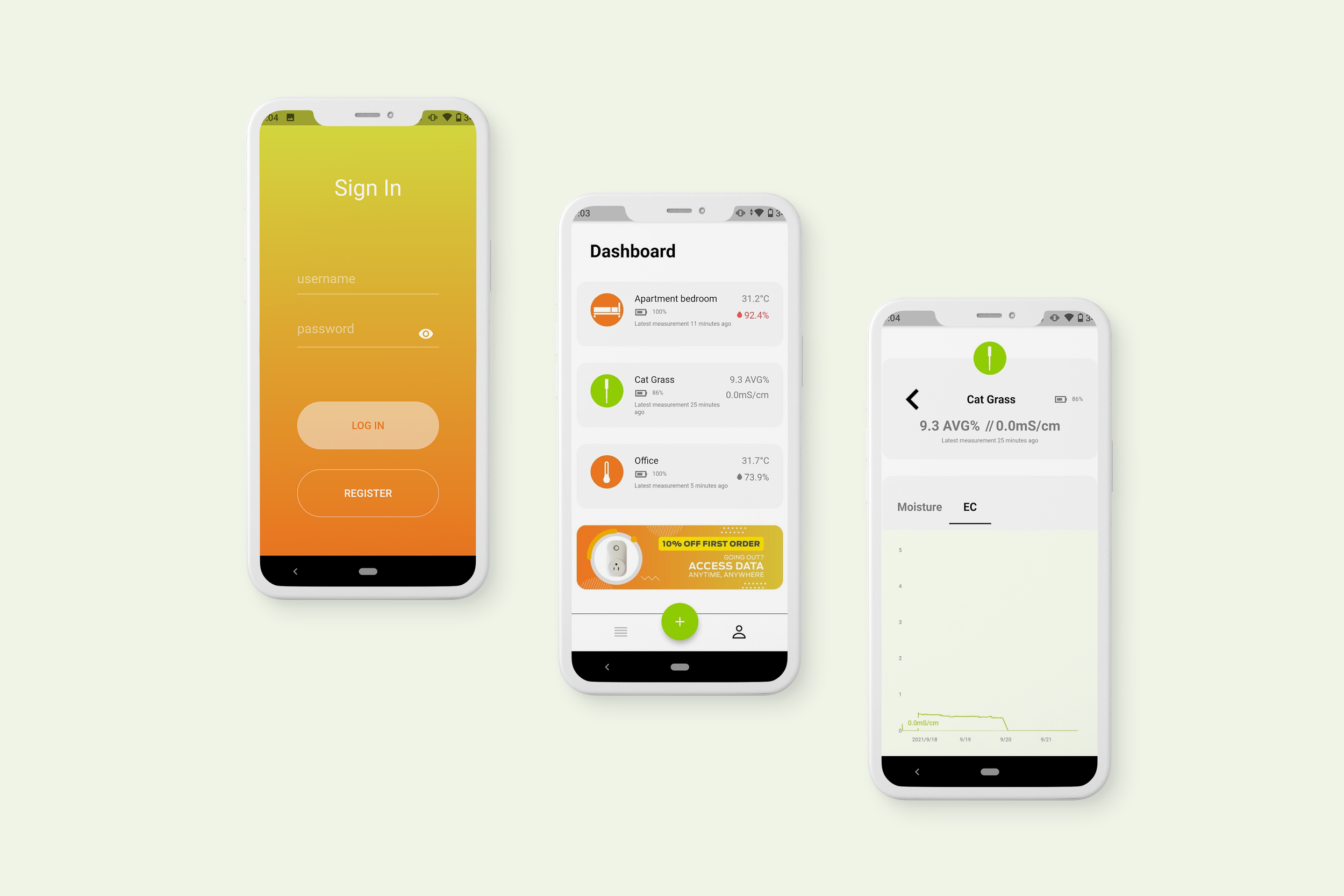
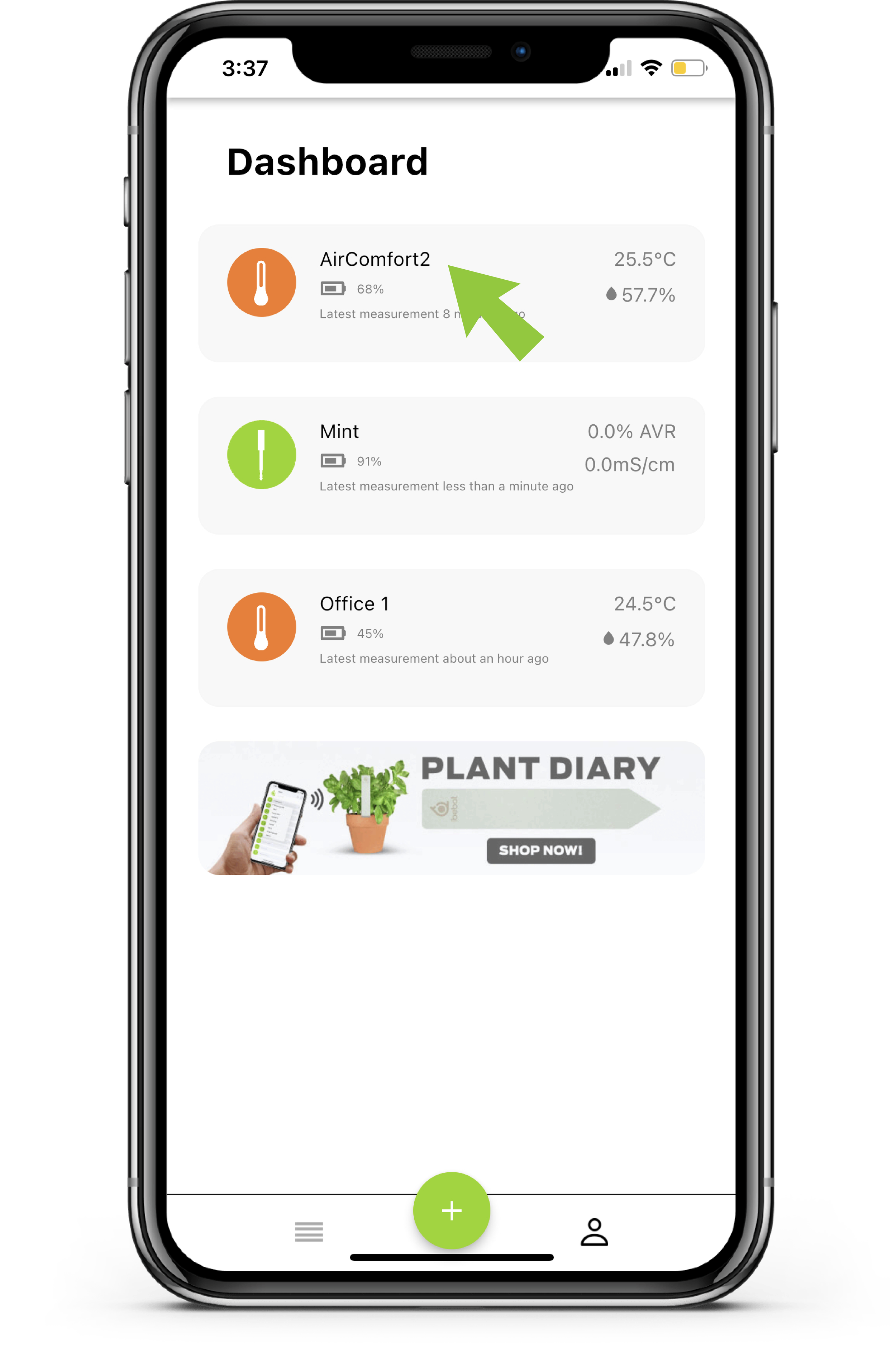
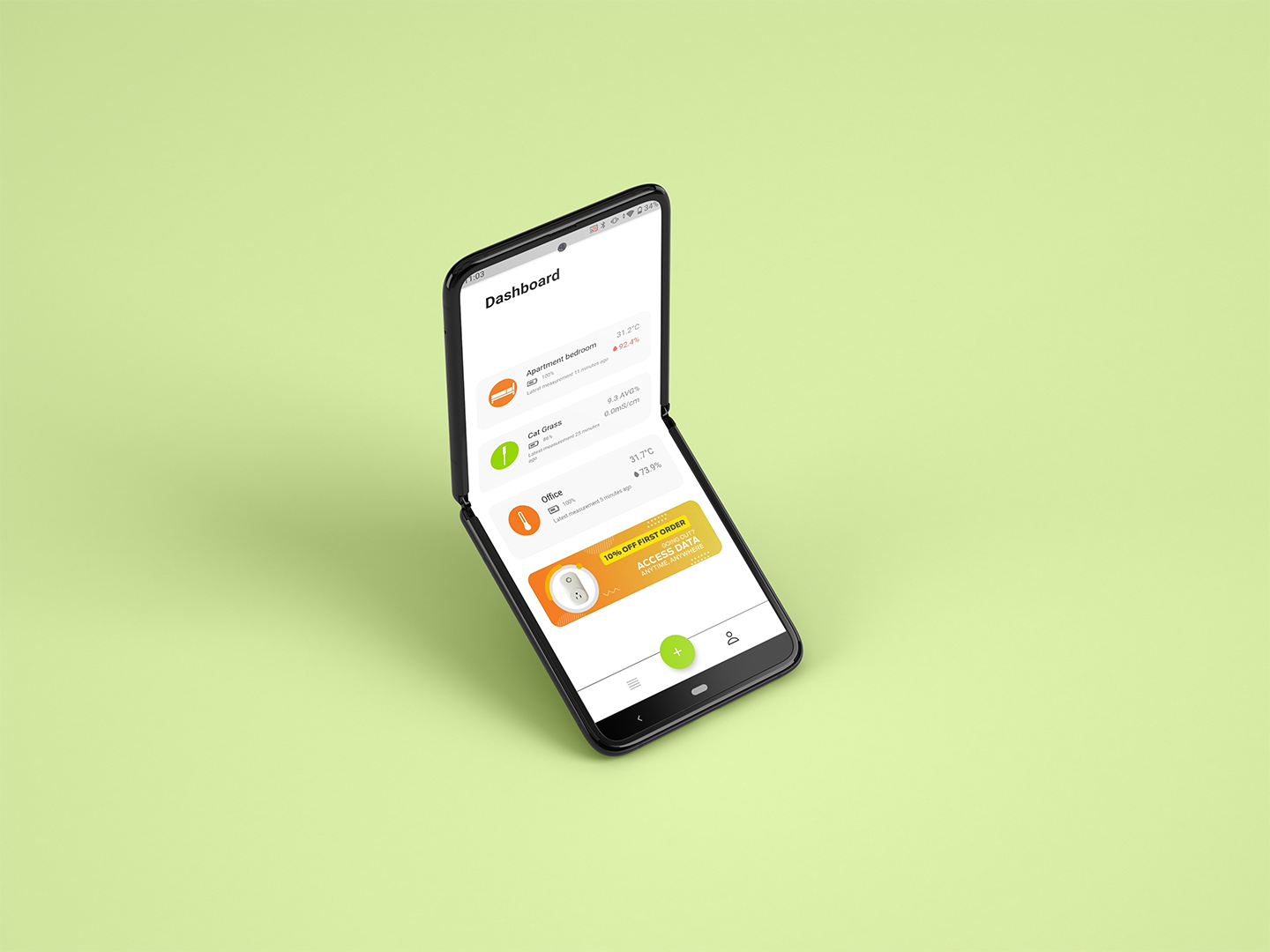
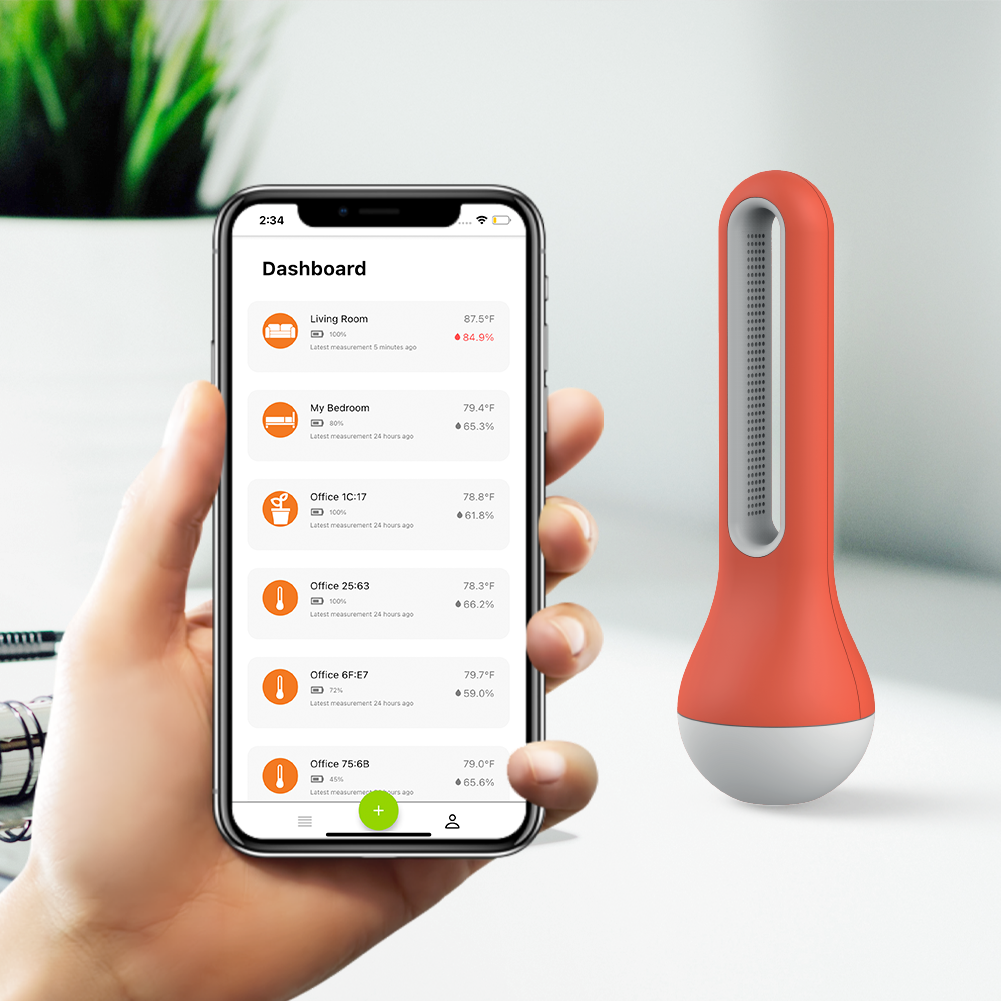
For ongoing monitoring, we designed a dashboard providing at-a-glance status for all plants using intuitive color coding—green for optimal, yellow for attention needed, red for critical. Users could drill down to individual plants for detailed data and historical trends. A plant profile system included a database of common houseplants with typical care requirements, allowing the app to contextualize readings and generate intelligent alerts.
The visual design embraced plant care's nurturing nature with a fresh, natural color palette while maintaining clarity for data display. Custom icons for temperature, humidity, moisture, and nutrients enabled instant recognition. Data visualizations transformed numbers into understandable graphics—gauge displays showed readings in context of ideal ranges, while historical charts revealed patterns over time.
Cross-Platform Development and Connectivity
We architected the application for efficient cross-platform development, sharing core logic while implementing platform-specific UI that felt native to both iOS and Android. The iOS version followed Apple's design guidelines using Swift, while the Android application adhered to Material Design principles using Kotlin.
Bluetooth Low Energy connectivity required robust pairing flows that handled common failures gracefully and maintained reliable connections while minimizing battery drain. We implemented smart alerting that balanced responsiveness with avoiding alert fatigue—critical conditions like dangerously dry soil generated immediate push notifications, while warning-level conditions appeared as summary notifications, and informational updates stayed in-app.
Testing and Refinement
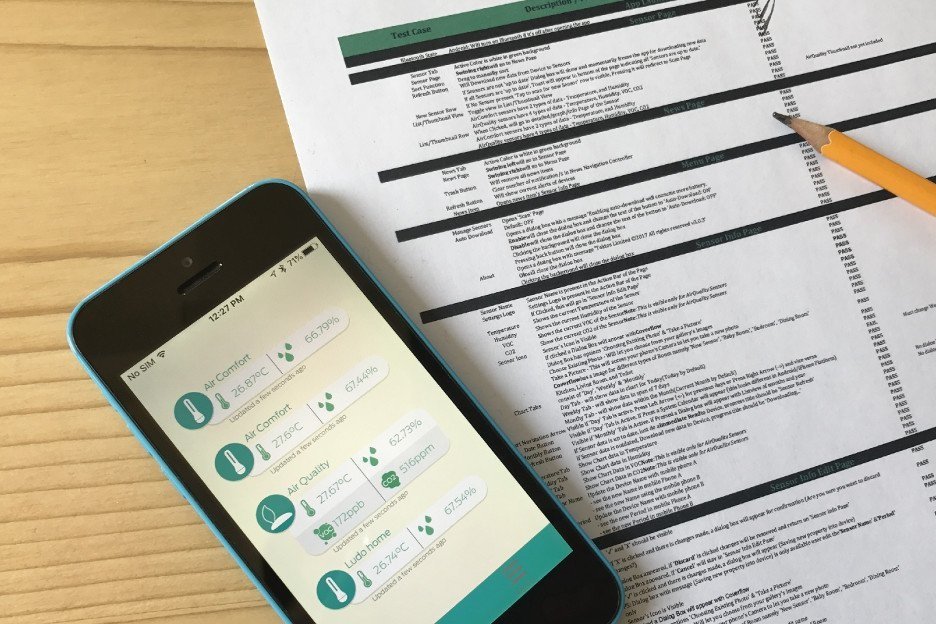
Extensive testing validated functionality across platforms, Bluetooth connectivity under various conditions, and performance with many sensors and historical data. User acceptance testing with real plant enthusiasts revealed opportunities to clarify language, improve icon recognition, enhance contrast for accessibility, and refine error messaging. We watched users interact with the app over weeks, iterating based on their actual behaviors and needs.
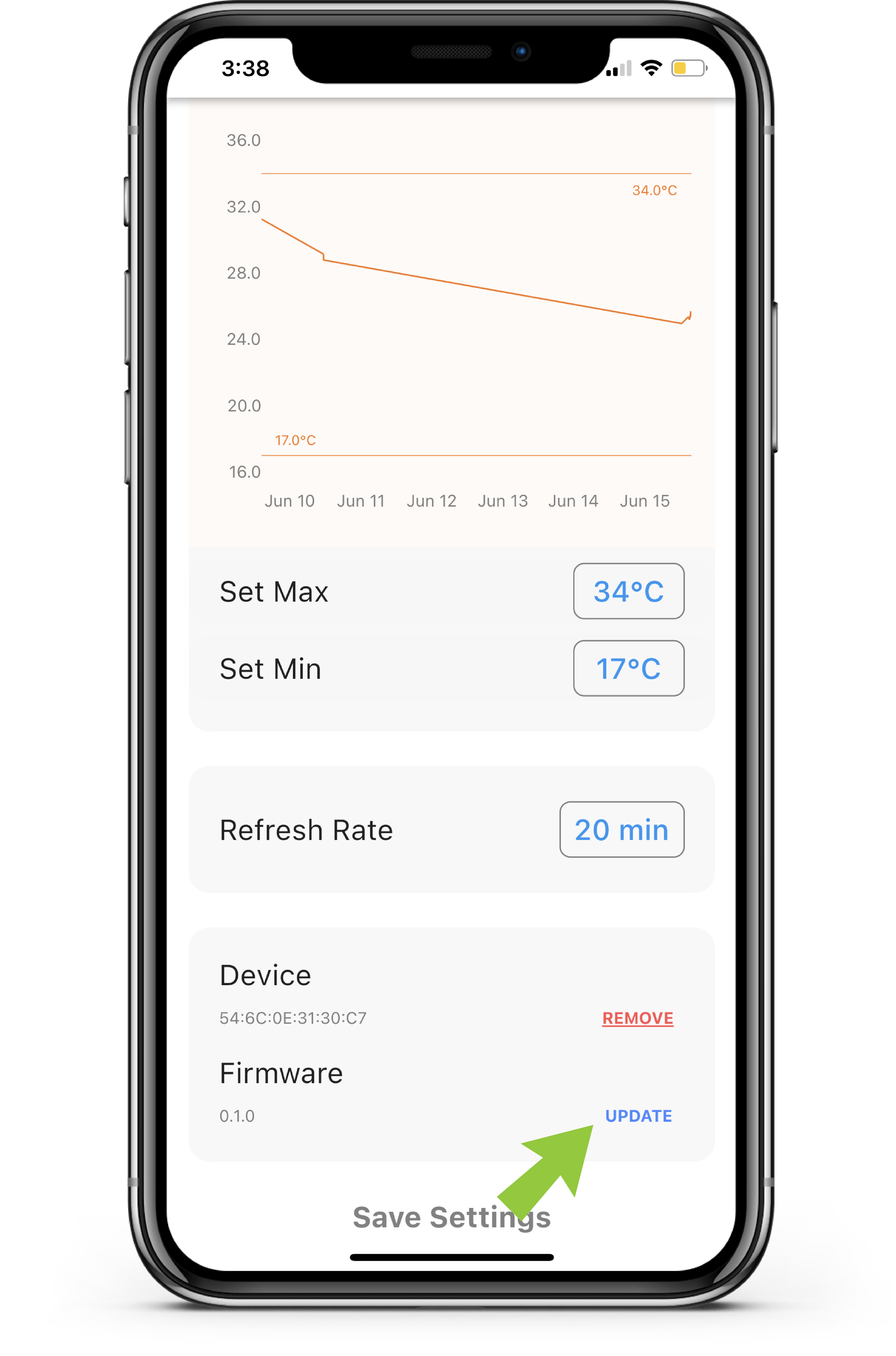
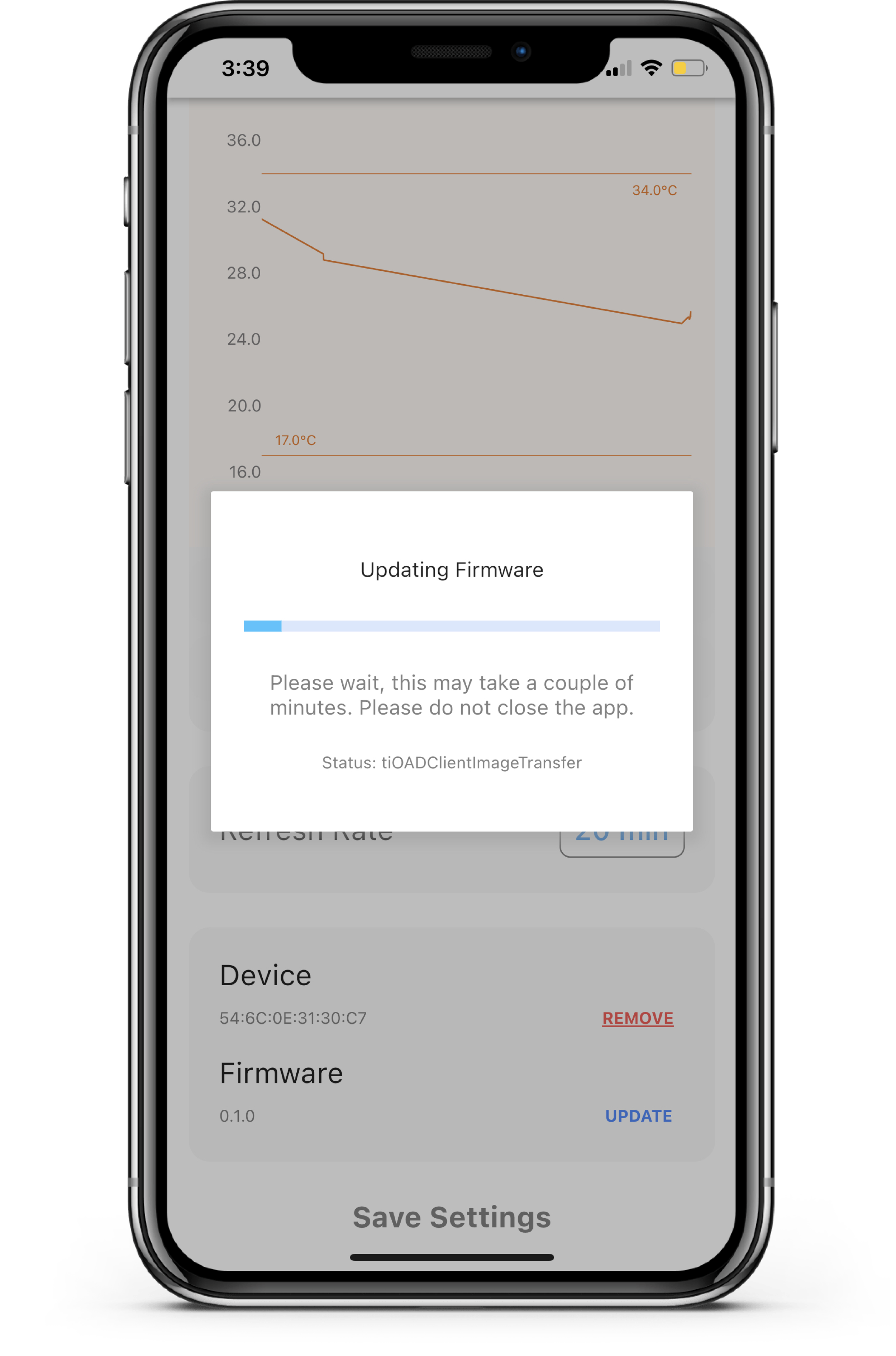
The iBebot Growers App delivered a comprehensive plant monitoring platform that made smart growing accessible and enjoyable. The final application seamlessly integrated with iBebot sensors to provide continuous monitoring of critical growing conditions.
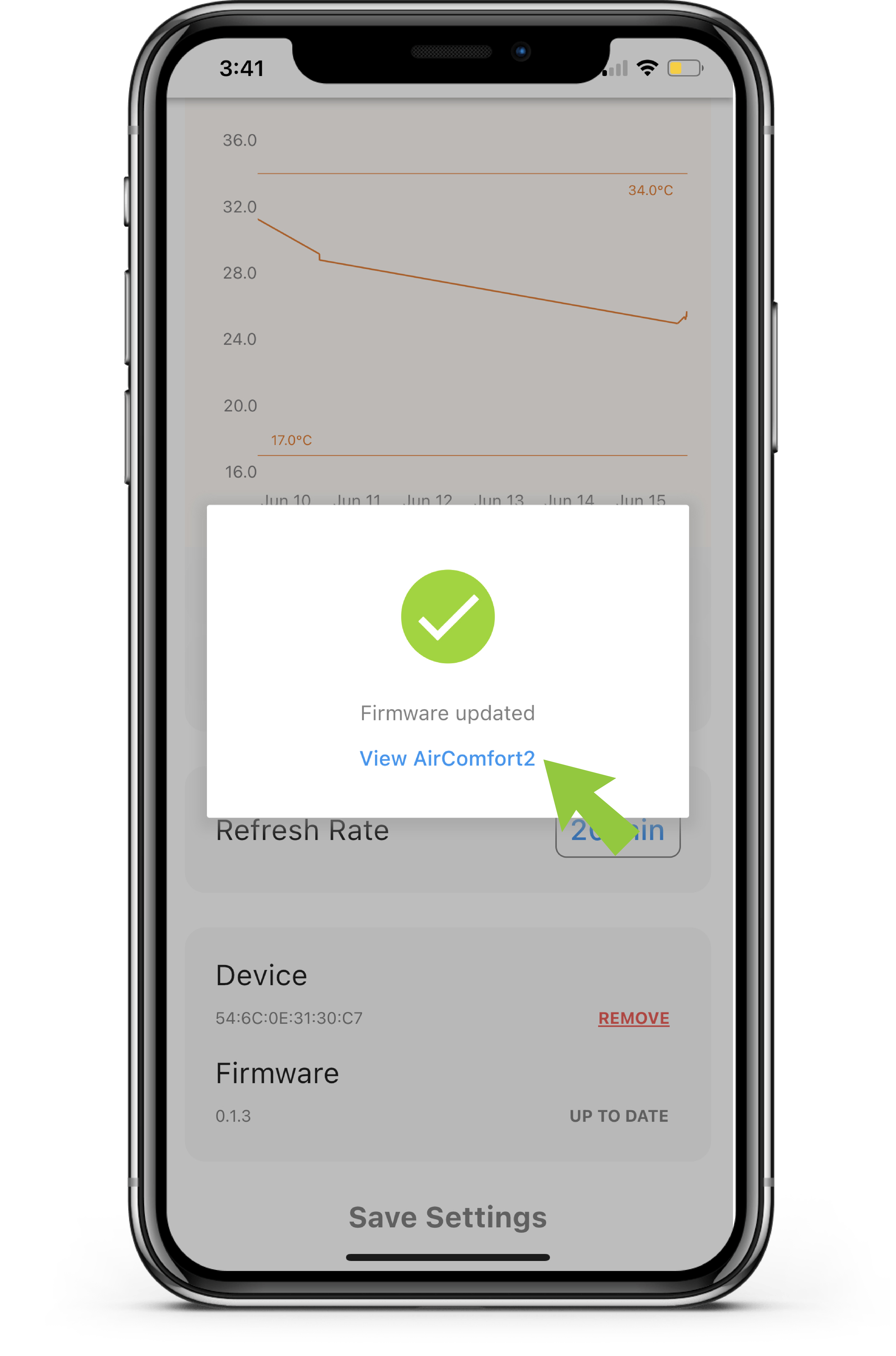
Intuitive Sensor Setup guided users through pairing and configuring sensors with step-by-step instructions, visual feedback, and helpful troubleshooting. Most users completed setup in under five minutes, immediately seeing live data from their newly configured sensors.
Comprehensive Monitoring displayed temperature, humidity, soil moisture, and soil nutrients for each sensor in clear, contextualized formats. Color-coded status indicators showed at a glance whether conditions were optimal, and detailed views provided specific readings and historical trends.
Plant-Centric Organization allowed users to assign sensors to specific plants, creating a digital garden that mirrored their physical collection. Each plant profile included photos, care notes, and customized ideal ranges, personalizing the monitoring experience.
Smart Alerts notified users when action was needed without overwhelming them with unnecessary notifications. Critical conditions like low soil moisture triggered immediate alerts, while less urgent conditions generated periodic summaries, ensuring users could respond appropriately without constant interruption.
Historical Insights revealed patterns over time through charts and trend analysis. Users could see how temperature fluctuated throughout days, how soil moisture declined between waterings, or how humidity changed seasonally, building understanding of their growing environments.
Cross-Platform Availability meant users could monitor plants from any device, with native iOS and Android apps providing optimized experiences for each platform.
The Solution
The Result
The iBebot Growers App successfully transformed iBebot's innovative sensor hardware into a complete, user-friendly plant care solution. The application received positive reception from both novice plant owners and experienced growers, praised for making plant care less stressful and more successful.
Users reported feeling more confident in their plant care, understanding when plants actually needed water rather than following arbitrary schedules. The data-driven approach helped users avoid both underwatering and overwatering—the two most common causes of houseplant death. Environmental monitoring revealed issues like inadequate humidity or temperature extremes that users hadn't previously considered.
Experienced growers appreciated the detailed data and historical tracking, using the app to optimize conditions for challenging species or track how seasonal changes affected their indoor environments. The ability to monitor multiple plants simultaneously made managing large collections more manageable.
The application's success supported iBebot's market entry and customer acquisition. The user-friendly interface reduced support burden, as intuitive design and clear guidance minimized confusion and troubleshooting needs. Positive reviews highlighted the app's ease of use and the peace of mind it provided.
From a technical perspective, the cross-platform development approach proved efficient, allowing rapid feature development that benefited both iOS and Android users simultaneously. The robust Bluetooth connectivity implementation provided reliable sensor communication despite the challenges of wireless connections in diverse home environments.
This project reinforced important lessons about IoT application development and designing for emotional user experiences. We learned that smart home and IoT applications must prioritize setup experience—no matter how powerful the ongoing features, users who struggle with setup may abandon the product before experiencing its value. Investing heavily in guided, forgiving setup flows paid significant dividends in user satisfaction.
The importance of contextualizing data became evident throughout the project. Raw sensor readings meant little to most users. Translating measurements into status indicators, comparisons to ideal ranges, and actionable recommendations transformed data from meaningless numbers into empowering insights. This lesson applies broadly to any application presenting technical data to non-technical audiences.
We discovered that alert intelligence is crucial for IoT applications. Early testing with simpler alert logic generated too many notifications, causing users to disable alerts entirely—defeating the purpose of monitoring. Smart alerting that distinguished critical conditions from normal variations maintained user engagement without creating notification fatigue.
Cross-platform development requires careful balance between code sharing and platform-specific optimization. While sharing business logic and data management improved efficiency, respecting platform conventions in UI and interaction design created better user experiences than forcing identical interfaces on different platforms.
Finally, this project highlighted that consumer IoT applications serve both practical and emotional needs. Plant enthusiasts care deeply about their plants. The application needed to acknowledge this emotional connection through encouraging language, delightful interactions, and design that reflected the joy of growing—not just the technical aspects of monitoring.
What We Learned
Our Expertise in Action
The iBebot Growers App showcased Tektos Ecosystems' capabilities in creating compelling mobile applications for IoT products. This project required expertise across UX design for complex data presentation, UI design balancing functionality with approachability, iOS development with native Swift implementation, Android development with native Kotlin implementation, Bluetooth Low Energy integration for reliable sensor connectivity, and comprehensive testing and qualification ensuring cross-platform reliability.
Our team designed intuitive user flows making sensor setup and plant management accessible to non-technical users, created clear visual interfaces translating complex data into understandable insights, developed native applications for both major mobile platforms, implemented robust wireless connectivity handling real-world connectivity challenges, and validated the complete system through extensive user testing.
Whether you're developing IoT companion applications, smart home control systems, environmental monitoring platforms, or any mobile application that connects physical products to digital experiences, Tektos Ecosystems brings proven expertise in cross-platform mobile development, IoT connectivity, data visualization, and user-centered design that prioritizes both functionality and delight.

Ready to Create Your IoT Application?
From sensor integration to cloud connectivity to mobile interfaces, Tektos Ecosystems specializes in creating complete IoT solutions that deliver real value. If you have a connected product idea that needs a compelling application experience, we'd love to help bring it to life.