
Compliance & Sustainability
Sustainable practices, certified processes, and rigorous testing in every product!

Tektos Ecosystems delivers end-to-end product development, advanced hardware engineering, and turn-key electronic manufacturing services engineered to satisfy rigid global compliance standards. Over our 20+ years of hardware engineering expertise, we have successfully scaled more than 1 million manufactured products and deployed 70,000+ connected IoT devices worldwide. This proven track record enables us to bridge the complex gap between innovative industrial design, embedded software engineering, and strict international market entry mandates.
Our integrated compliance framework is designed to derisk your product launch by embedding regulatory engineering directly into our upfront Design for Manufacturing (DFM) phase. We actively design for product environmental sustainability (RoHS, REACH, and ecodesign circularity), accelerate time-to-market through pre-compliance laboratory screening, and execute rigorous hardware reliability testing. By catching potential wireless, thermal, or mechanical failures early in the prototyping stage, we protect our partners from costly late-stage engineering change orders (ECOs) and customs delays.
As a trusted engineering partner for both ambitious hardware startups and Fortune 500 enterprises, Tektos manages the complete international certification pipeline across major global trade zones—including the United States (FCC), the European Union (CE Mark), and Australia/New Zealand (RCM). From sourcing post-consumer recycled materials to optimizing low-power firmware for sustainable IoT lifecycles, we ensure your physical product is premium, resilient, legally compliant, and completely optimized for mass production.
Sustainability in Hardware Product Development
What is sustainable product design engineering?
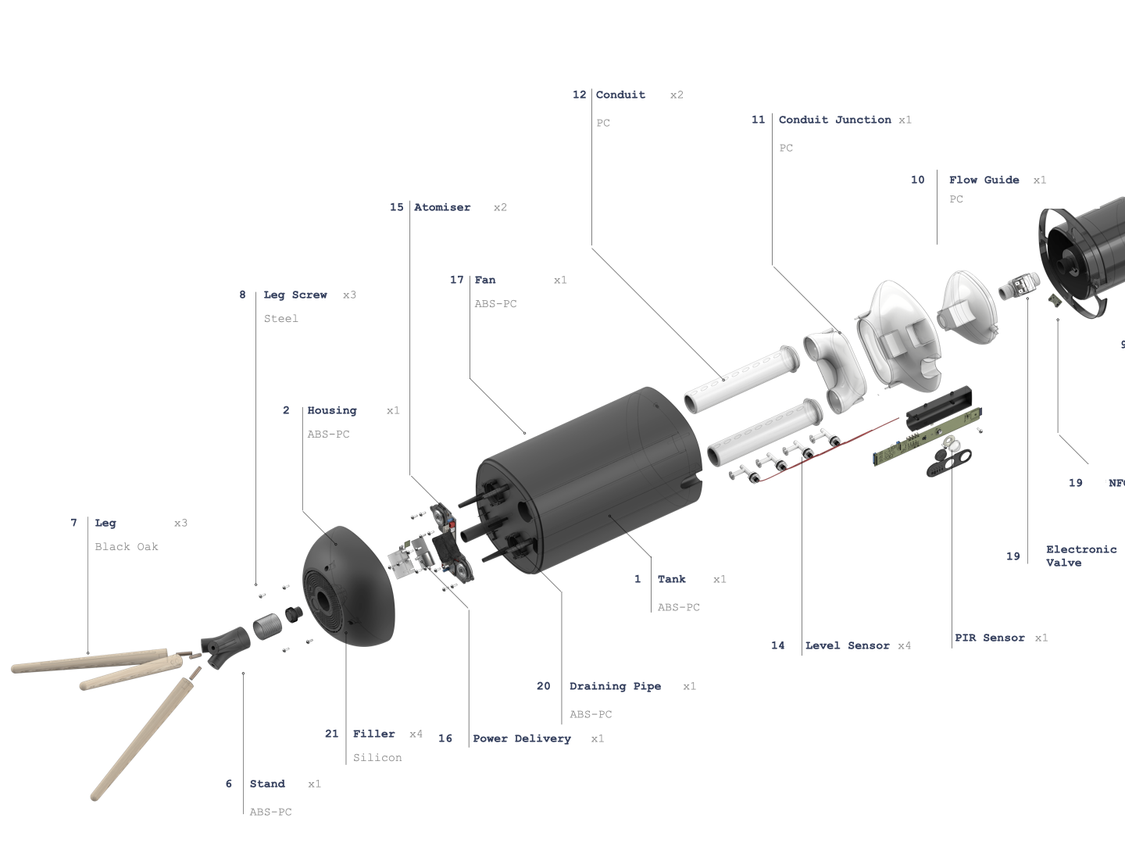
Sustainable product design engineering involves architecting physical hardware from the concept stage to minimize environmental impact across its entire lifecycle. At Tektos, we integrate eco-conscious engineering directly into our Design for Manufacturing (DFM) process.
Design for Manufacturing (DFM) & Circularity: We optimize mechanical layouts and smart enclosures to reduce raw material waste during production and design internal assemblies that simplify end-of-life recycling.
Repairability & Extended Lifecycles: We deliberately fight product obsolescence. Our engineering team designs hardware that is modular, making it straightforward to repair, upgrade, or swap individual components to reduce electronic waste (e-waste).
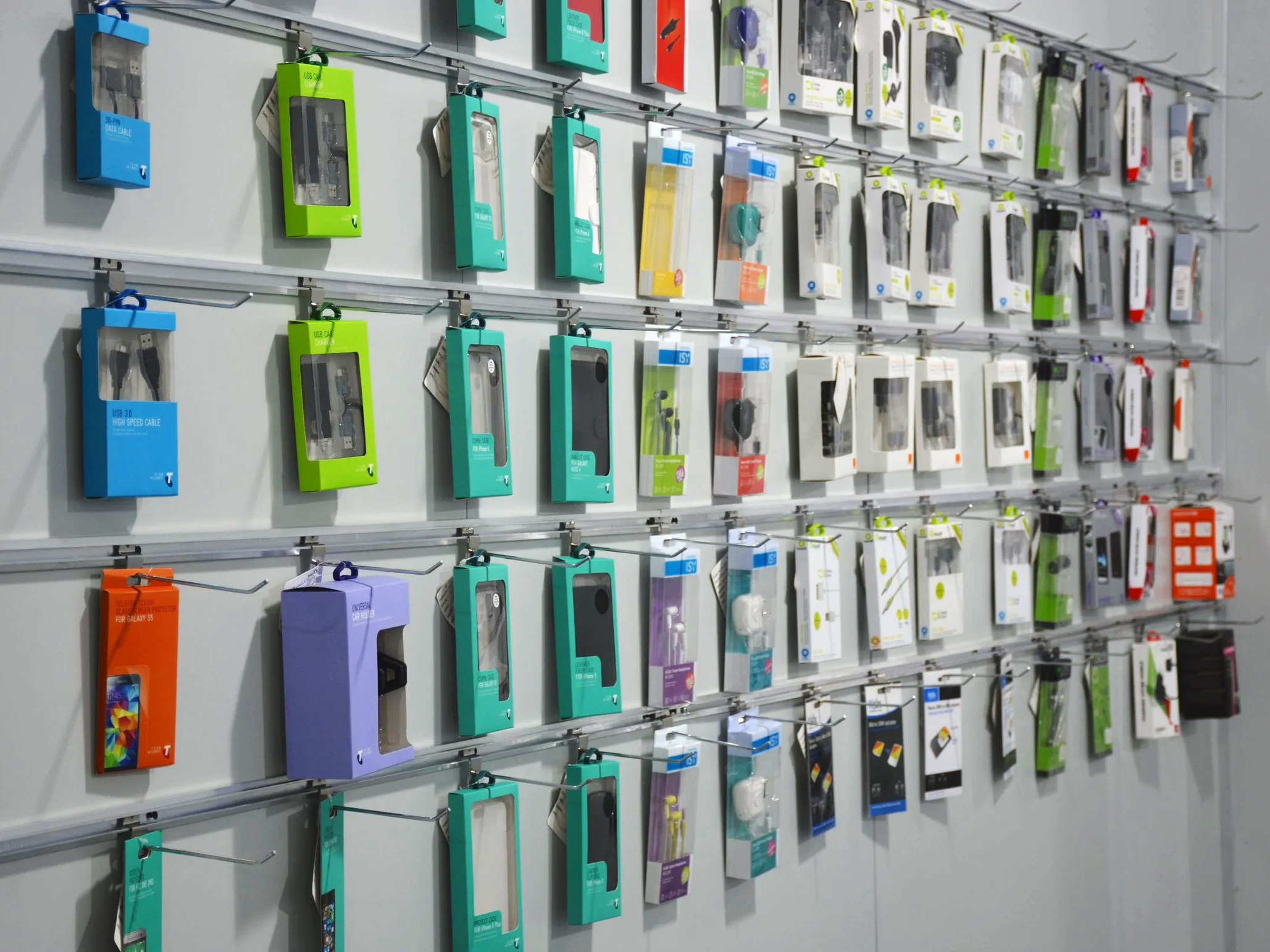
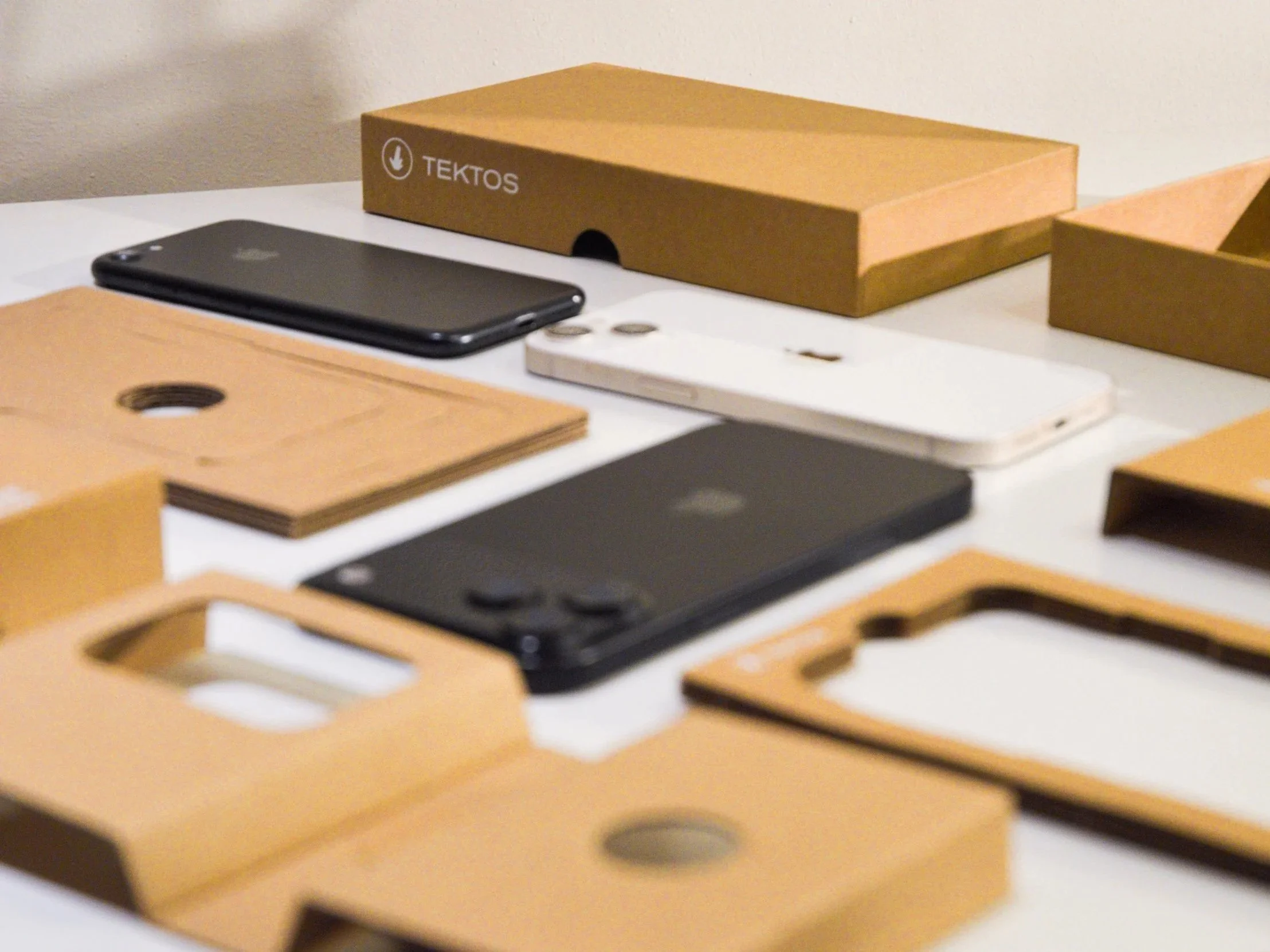
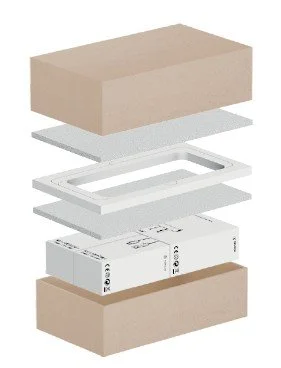
Recycled Material Selection: Through our deep manufacturing and supply chain network, we source and validate high-quality post-consumer recycled (PCR) plastics, ocean-bound plastics, and sustainably produced alloys.
Carbon Footprint & Energy Optimization: For IoT and connected devices, we develop ultra-low-power embedded firmware and select highly efficient power management components to drastically extend battery lifespans and lower long-term carbon emissions.
International Product Certifications & Global Market Access




How do you get global certification for an IoT or electronic device?
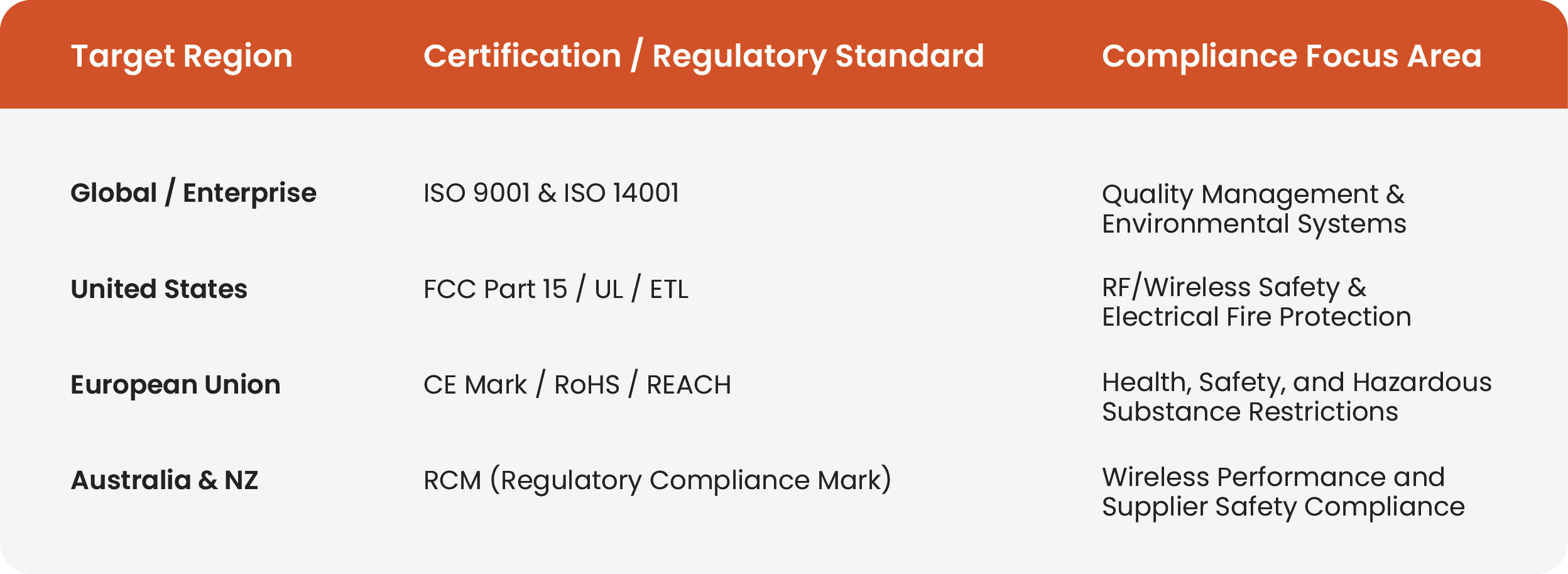
Securing global certification requires a product development partner that designs for specific international standards from Day 1. Tektos Ecosystems manages the end-to-end certification pipeline, ensuring that both our internal development processes and your physical products comply with global regulatory frameworks.
Global Regulatory Matrix for Electronic Products
Secure Connected Device & Wireless Development
For IoT ecosystems involving complex app and cloud development, we build firmware and hardware to satisfy strict wireless communication protocols and cybersecurity baselines:
Carrier & RF Protocols: Design readiness for cellular networks, Bluetooth, Wi-Fi, and LoRaWAN.
Data Security & Privacy: Embedding encryption and secure boot loaders at the firmware level to ensure compliance with modern IoT security mandates.
Hardware Reliability Testing & Engineering Tools
Why is pre-compliance hardware testing important?
Pre-compliance testing catches electronic and mechanical vulnerabilities early in the prototyping phase, preventing incredibly expensive engineering change orders (ECOs) and laboratory failures late in the development cycle.
Pre-Compliance Screening Tools
EMI/EMC Pre-Screening
Utilizing near-field probes and spectrum analyzers to detect and mitigate electromagnetic interference issues in RF and PCB layouts.
Thermal Imaging & Profiling
Deploying infrared thermal cameras to monitor power management systems and prevent localized overheating under maximum processor loads.
Stress, Reliability, & Hardware Validation
We push physical components to their technical limits to guarantee resilience in real-world environments:
Environmental Chamber Testing: Subjecting prototypes to extreme temperature swings and high humidity to validate material and electronic durability.
Accelerated Life Testing (ALT): Simulating years of rigorous consumer usage in a matter of weeks through cyclic mechanical testing, drop testing, and structural stress analysis.
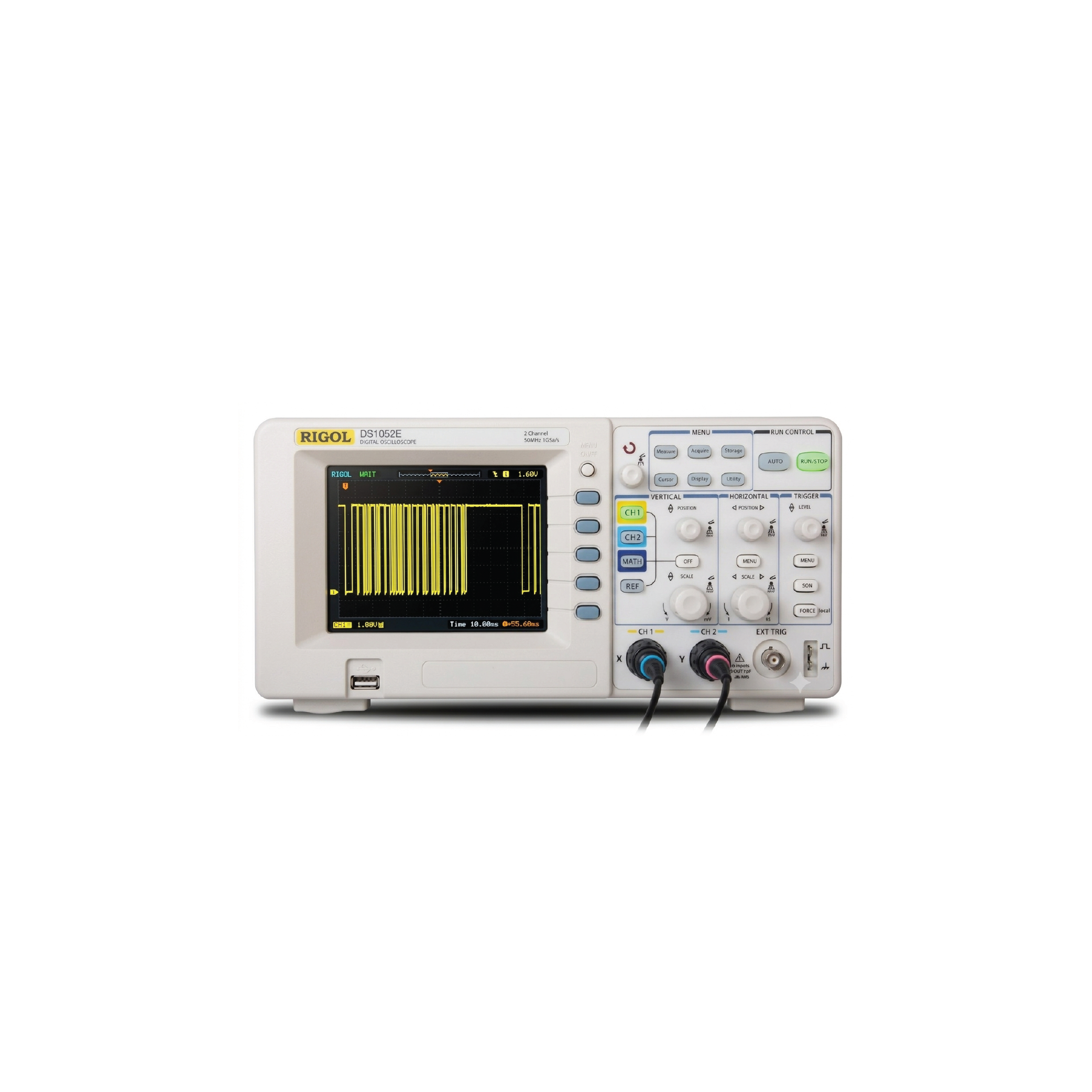
Firmware & Signal Integrity Validation: Utilizing digital oscilloscopes and protocol analyzers to ensure perfect data transmission along high-speed PCB traces, combined with automated regression software testing.

-
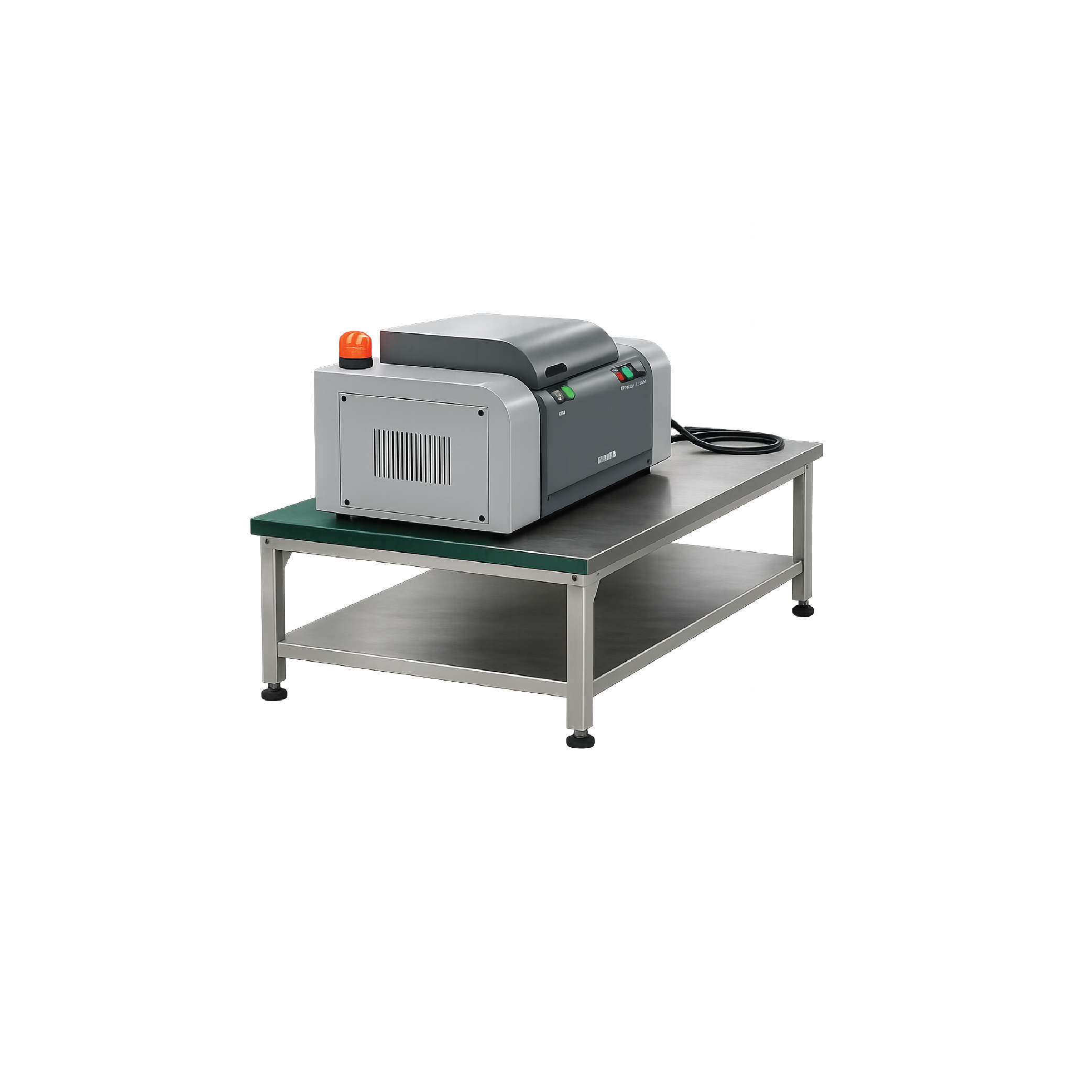
Uses XRF analysis to detect hazardous substances and material impurities for RoHS compliance, ensuring safe, consistent, and high-quality components.
-
Automatically tests travel chargers under real load conditions to verify stable voltage, current output, and maximum capacity, ensuring reliable and safe performance.
-
Tests rechargeable batteries under controlled conditions to evaluate performance, durability, and safety through precise charging, discharging, and monitoring channels.
-
Tests assembled PCBs by pressing them into pogo-pin fixtures to verify electrical signals, voltage, and communication functions for quality assurance.

-
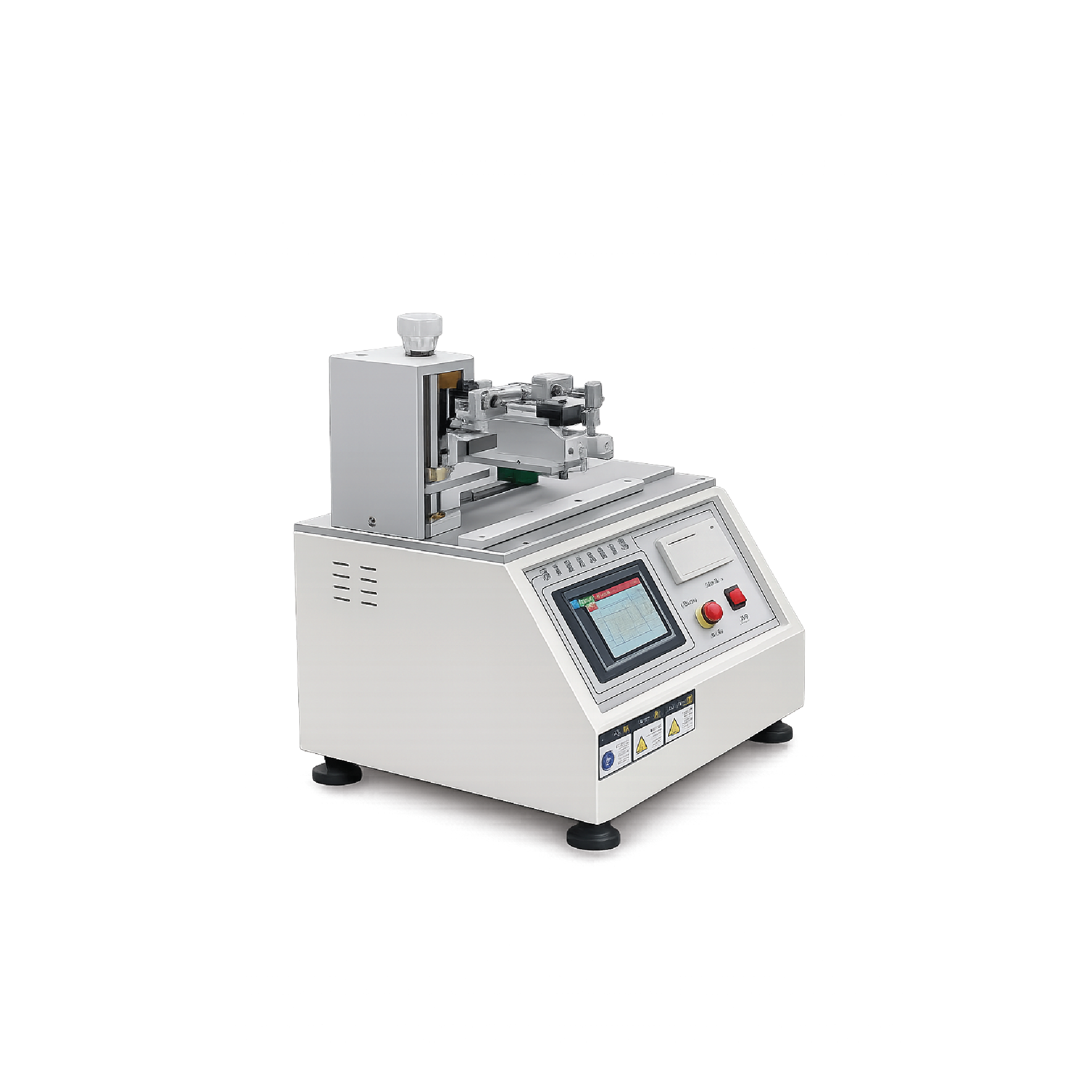
Measures connector insertion and removal force to ensure proper fit—preventing loose or overly tight connections that could lead to failure or wear over time.
-
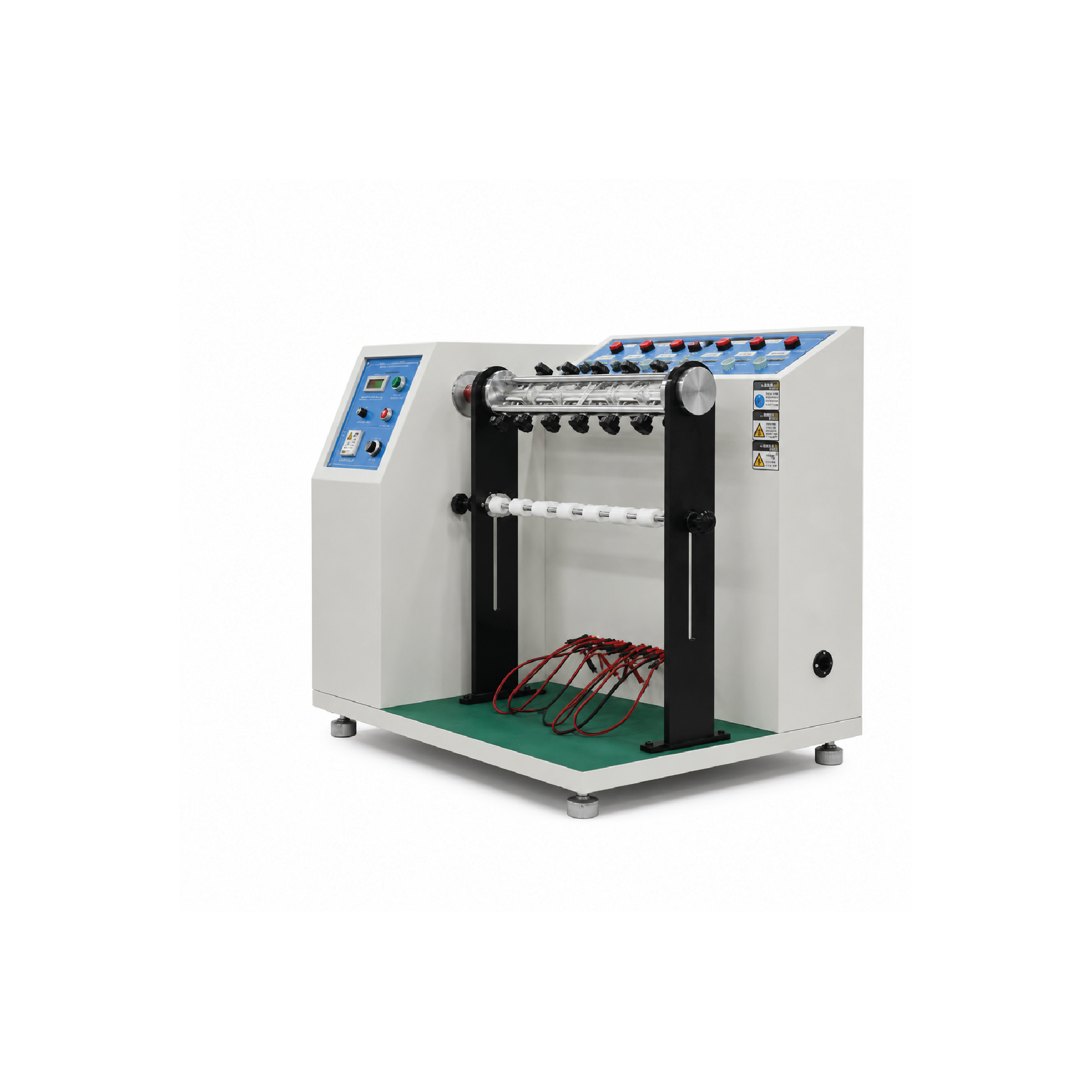
Tests cable durability by repeatedly bending them under controlled conditions to detect internal wire damage and ensure long-term reliability.
-
Detecting heat-related issues early through accurate temperature monitoring.
-
Detecting assembly defects early to improve PCBA reliability and performance.
-
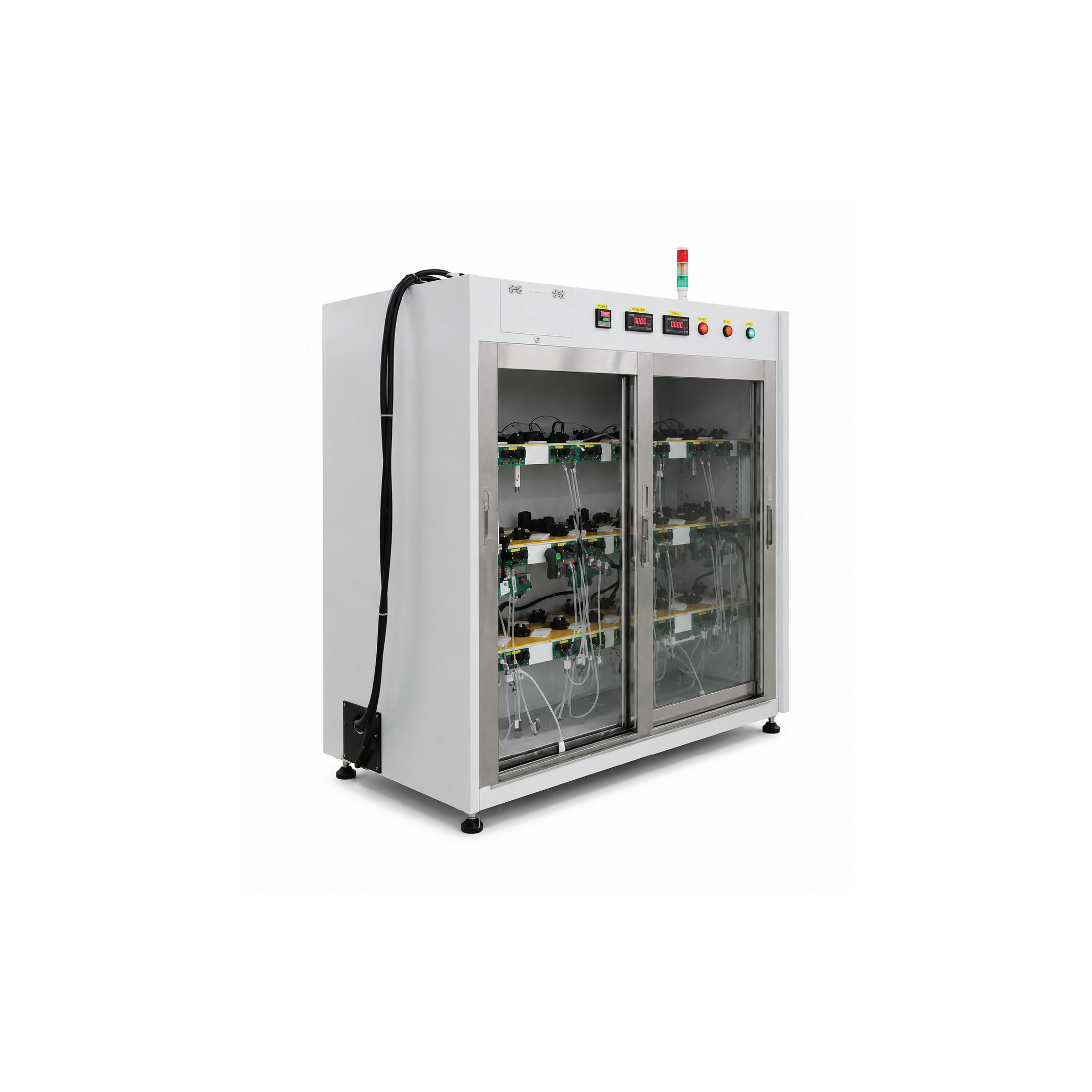
Testing power stability for reliable and consistent performance.
-
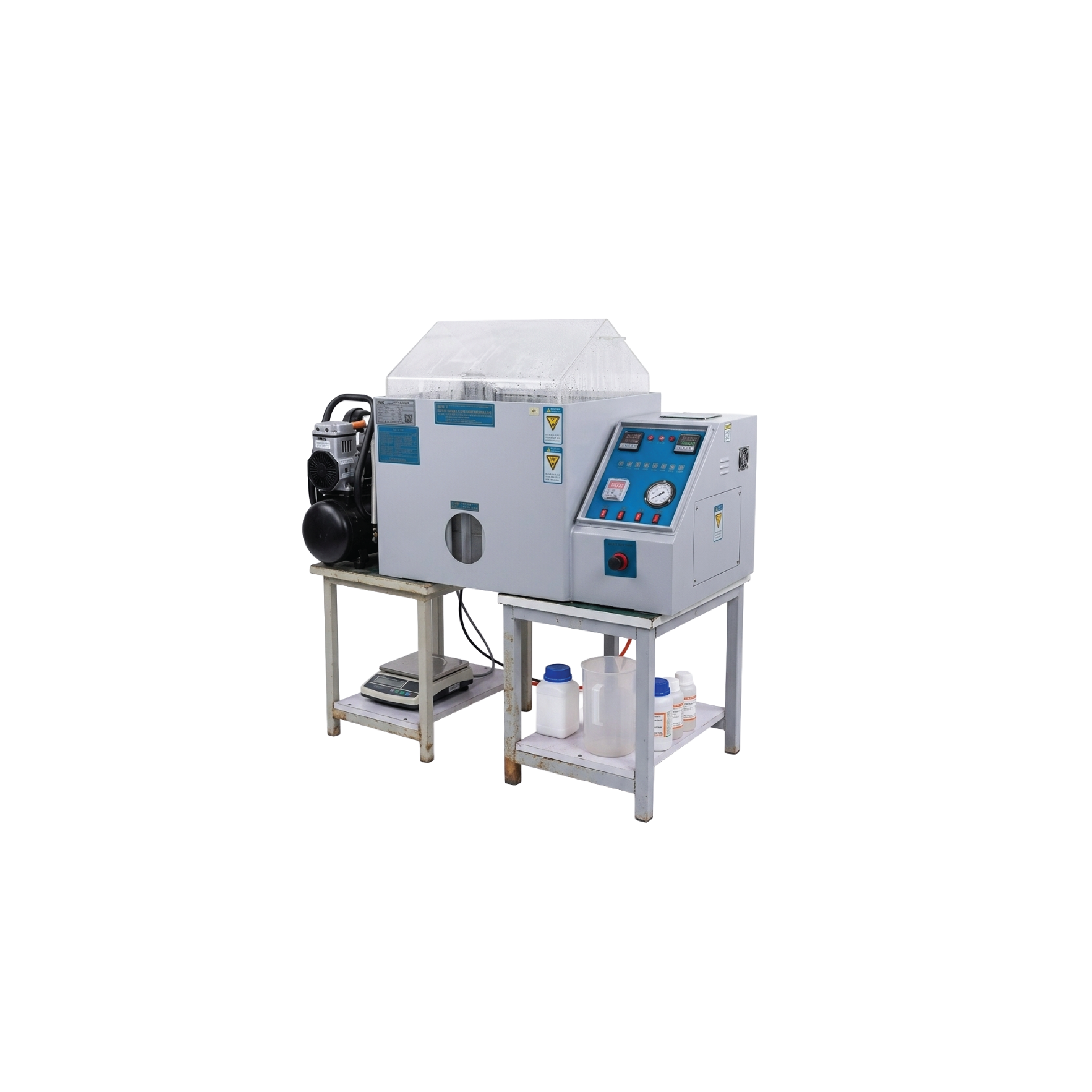
Evaluating corrosion resistance to ensure long-term product durability.

-
We test our chargers under different loads to check if they deliver the right voltage and current. This helps us make sure they perform safely and reliably in real world use.
-
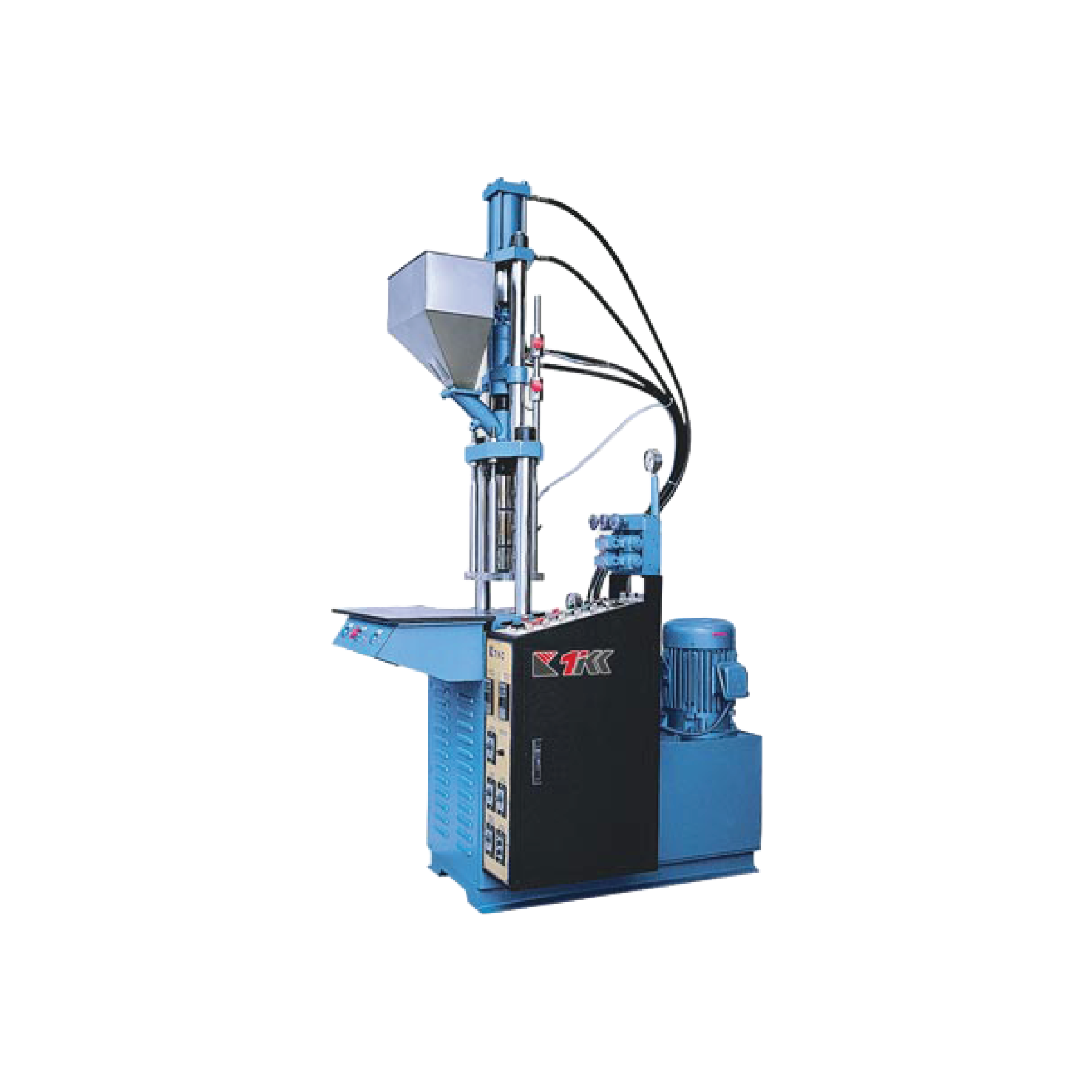
Precision vertical molding for complex insert-molded components.
-
Simulating extreme environments to ensure products deliver reliable performance in any condition.
-
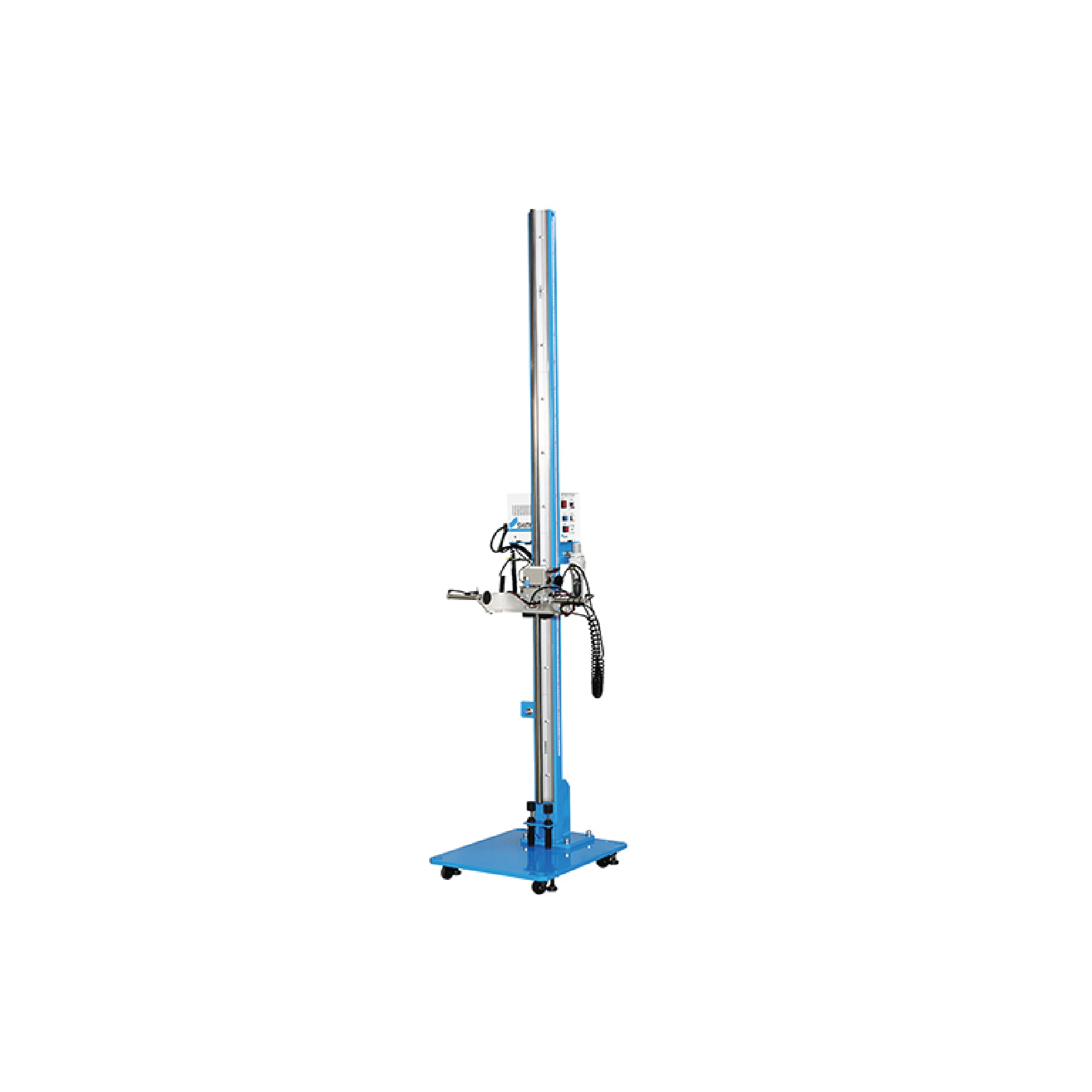
Drop testing leads to better designs with stronger mounting points, improved materials, and enhanced shock absorption
-
Testing connectors beyond limits to ensure lasting performance and reliability.
-
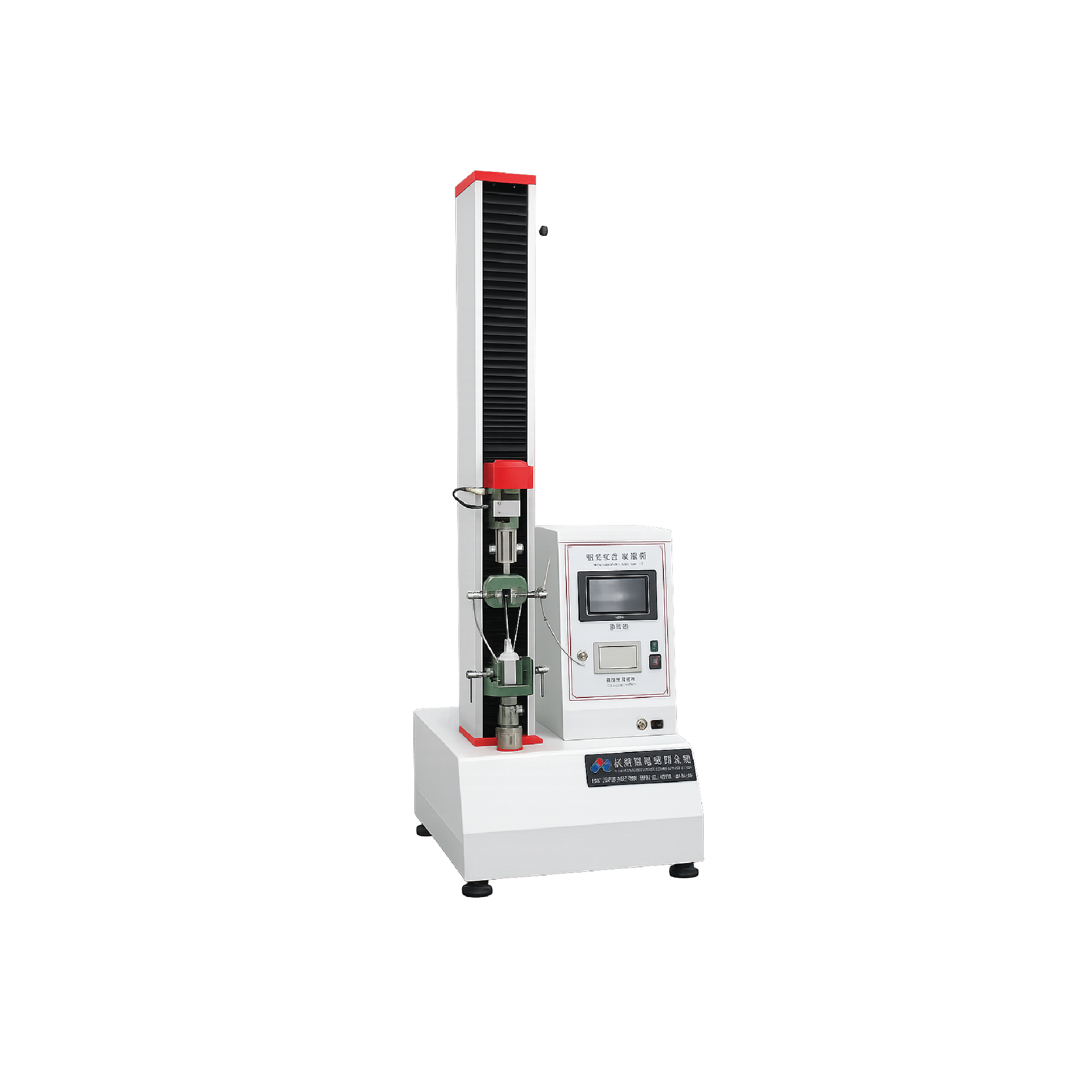
Tests mechanical strength by applying controlled forces (tension, compression, bending, or shear) and measuring key properties like strength, elasticity, elongation, and breaking point.

-
Stable power delivery keeps the entire product functioning correctly and safely. This testing helps prevent overheating, unexpected shutdowns, and long-term wear.
-
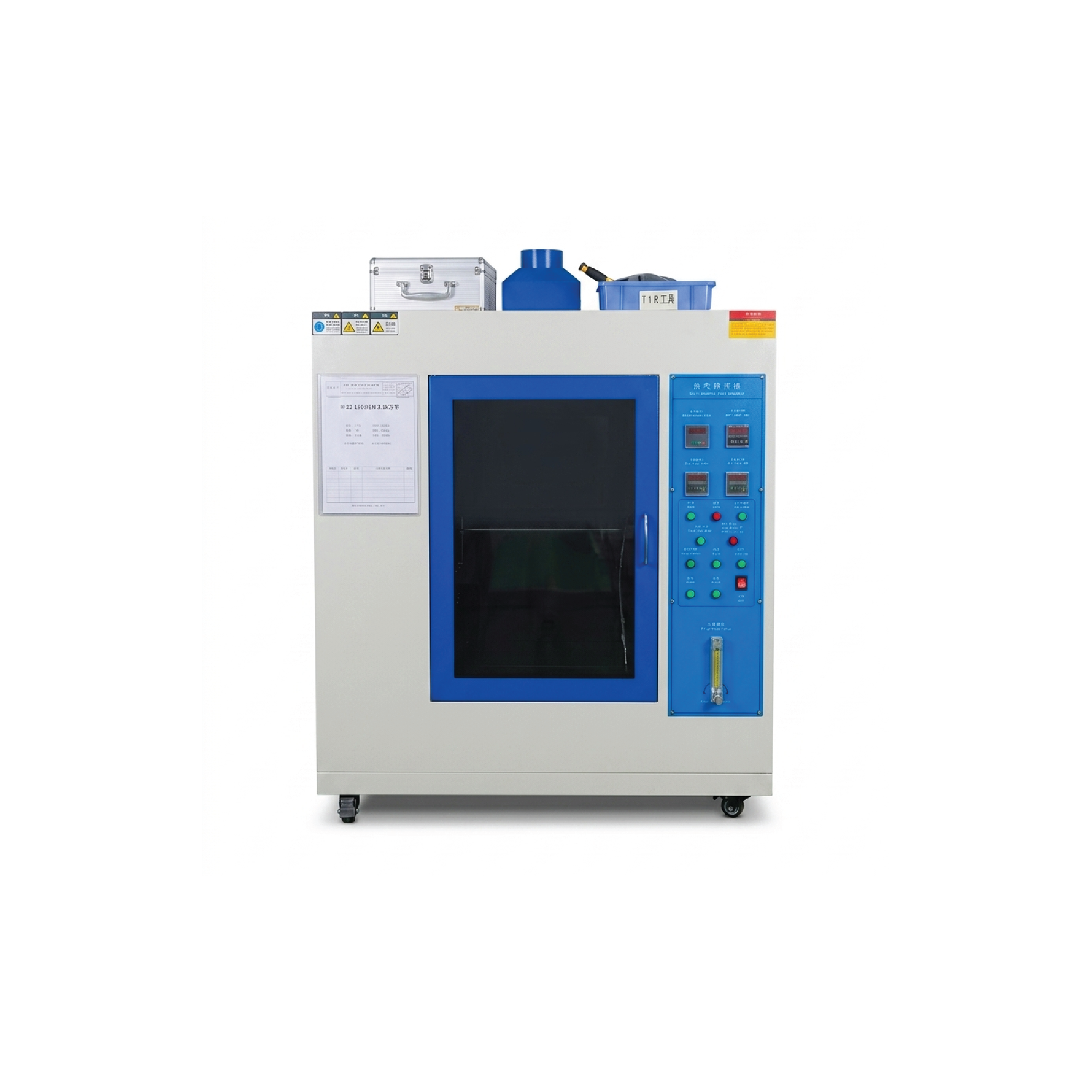
Testing material flame resistance to ensure safer, more reliable designs.


-
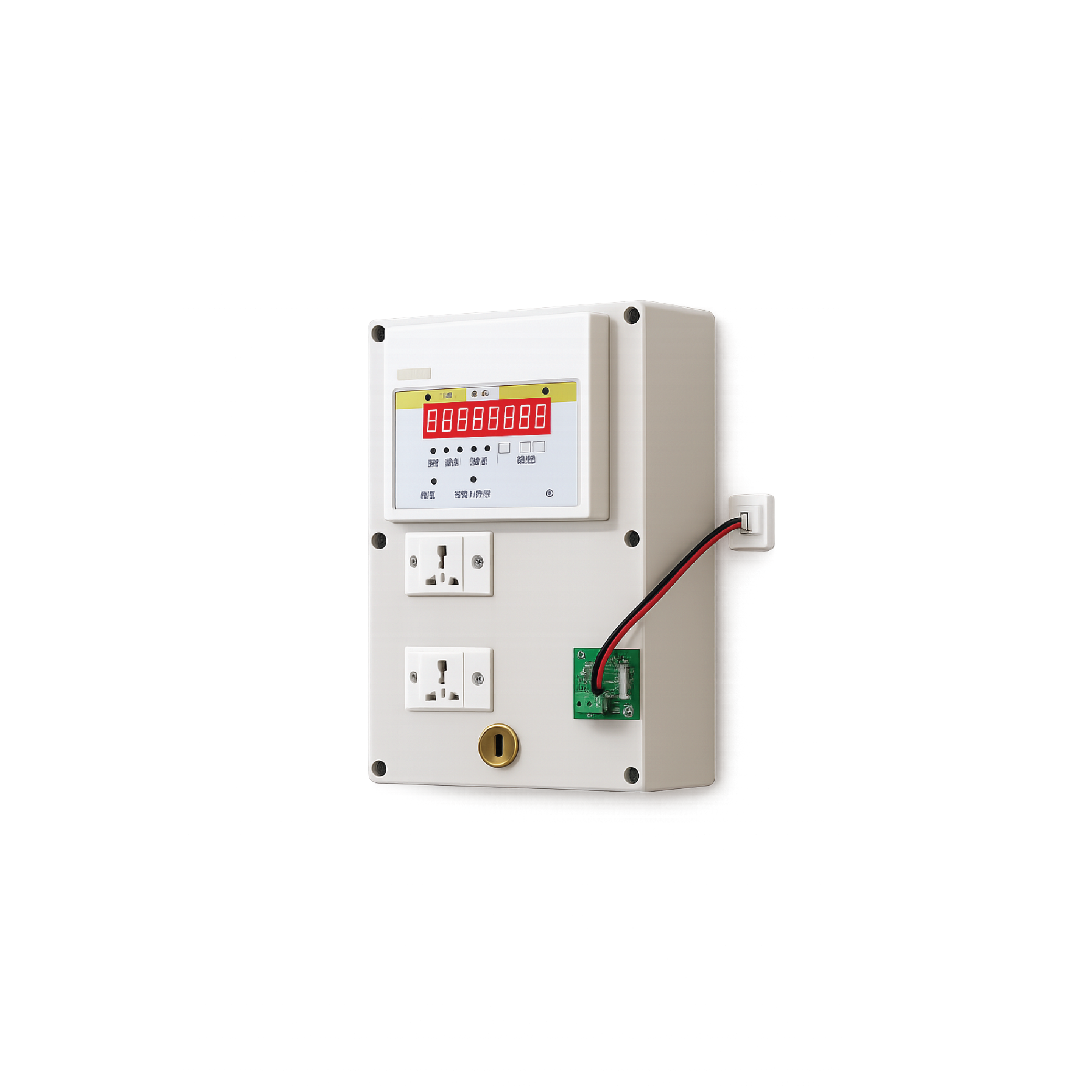
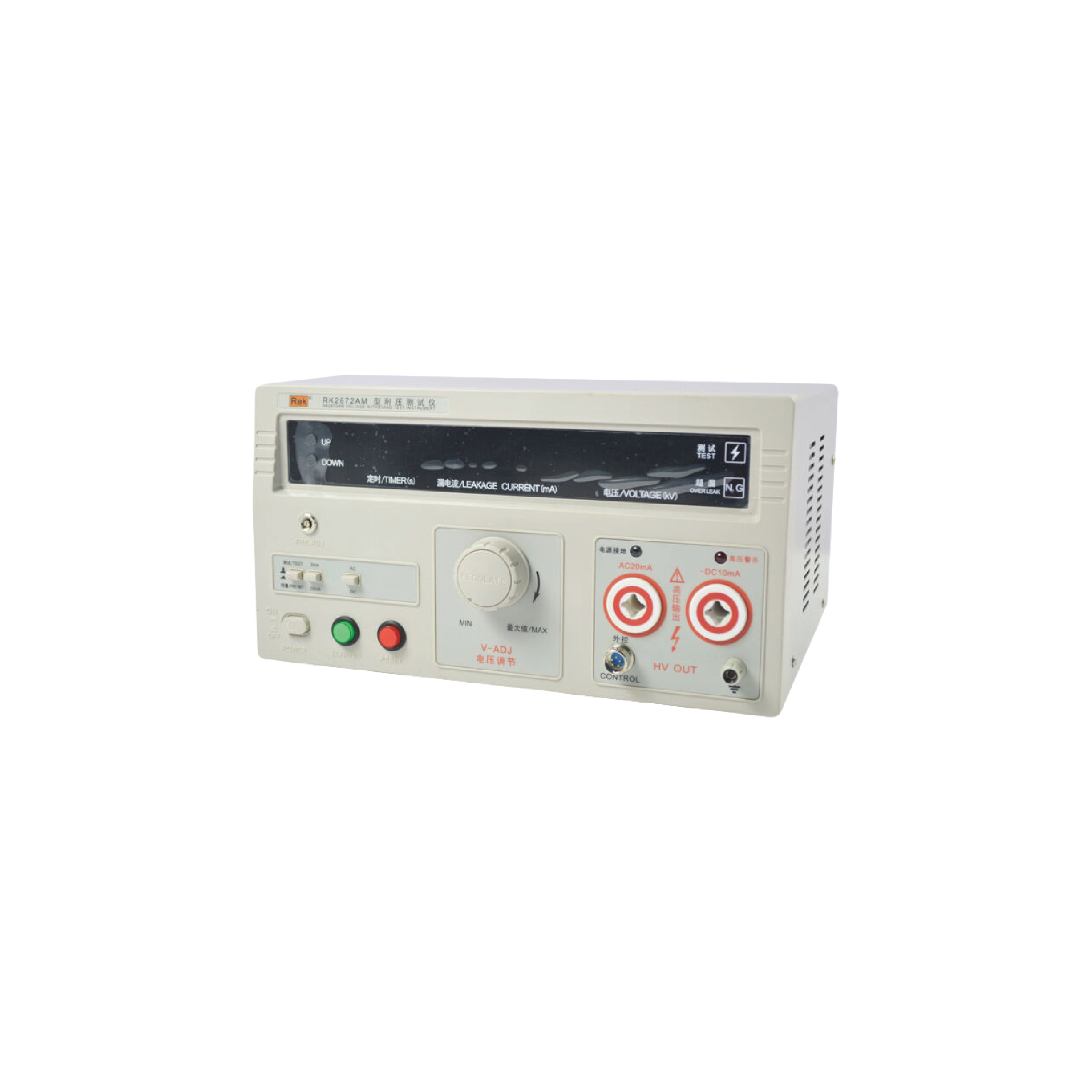
Detecting insulation breakdown and leakage risks before product release.
-
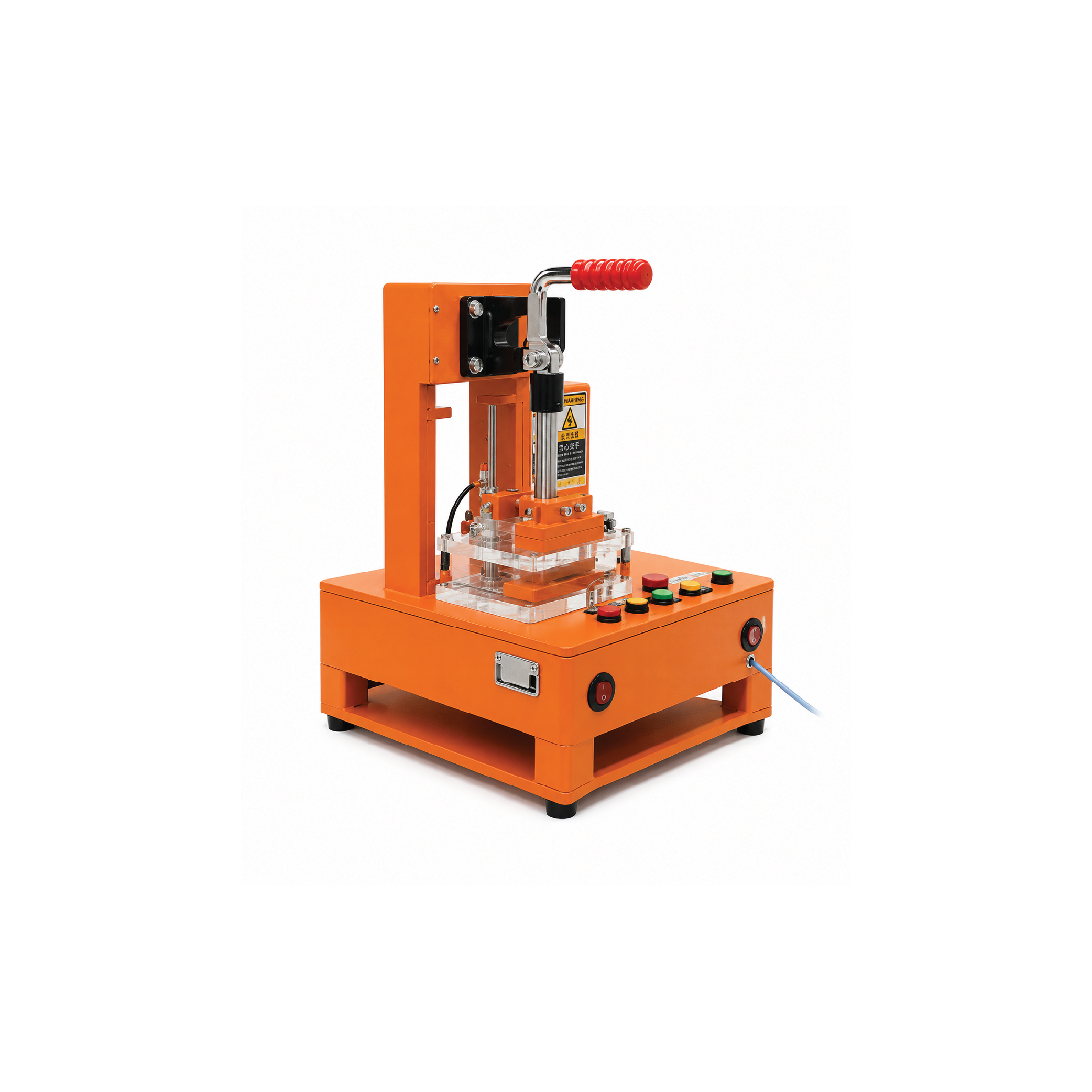
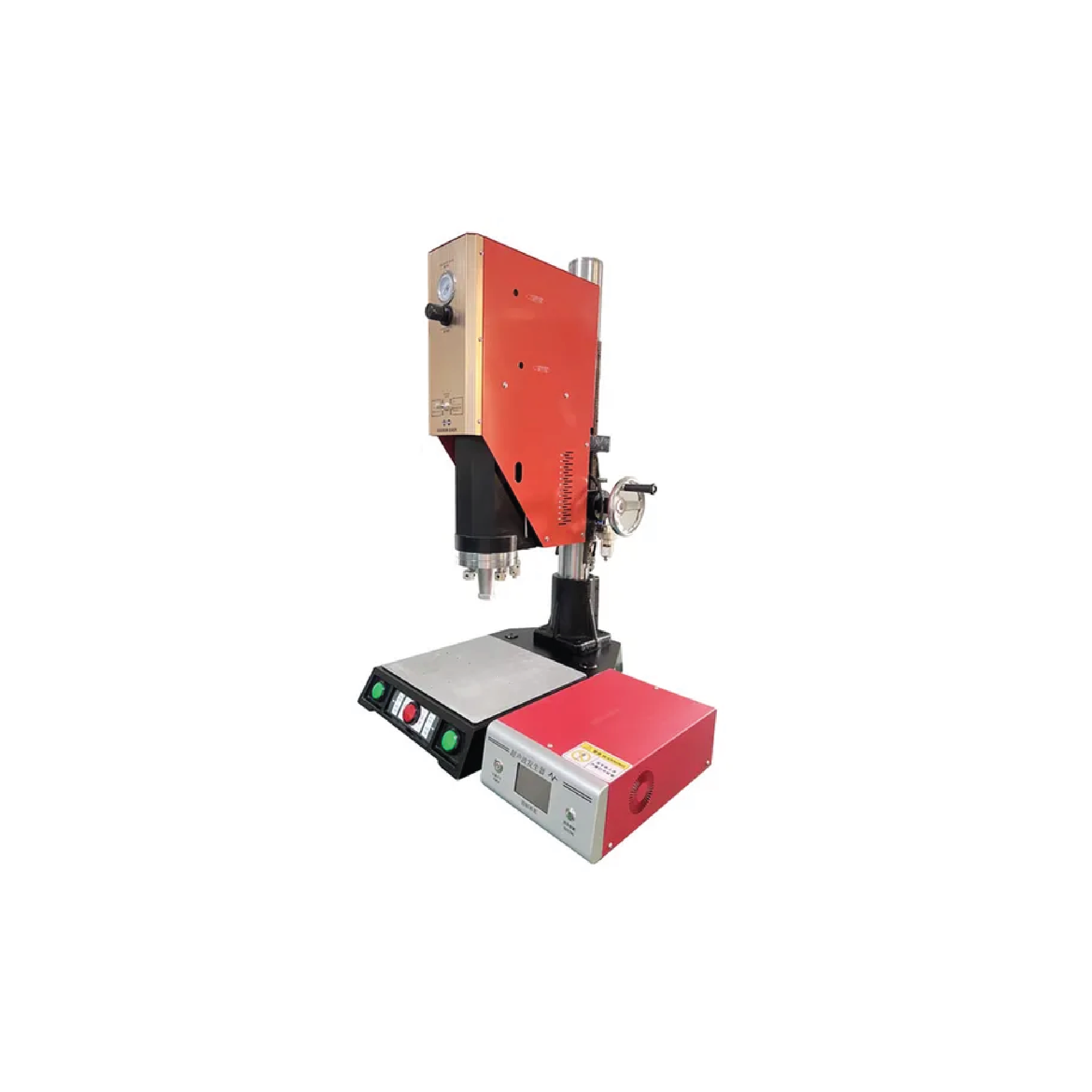
Creating strong, precise bonds through ultrasonic welding technology.
Our Quality Engineering Process
01
Design Review & Test Planning
We analyze your product specifications, identify risk areas, and create a comprehensive test plan aligned with your target markets and certifications.
02
Prototype & Pre-Production Testing
Early-stage validation catches design flaws when changes are still affordable. We test functional prototypes and pilot runs before you commit to tooling.
03
Compliance & Performance Validation
Rigorous testing against industry standards (UL, CE, FCC, RoHS) with detailed documentation for certification submissions.
04
Production Quality Assurance
Ongoing testing protocols, inspection criteria, and process controls to maintain quality throughout manufacturing.
Ready to secure your product's path to market?
Let's build a hardware strategy that balances high-performance engineering with absolute market compliance.