
PCBA Visual Inspection and Quality Control
Printed circuit board assembly (PCBA) requires precise component placement and reliable solder connections to ensure consistent electronic performance. Even minor assembly defects can lead to intermittent faults or product failures.
At Tektos, we use microscope-assisted visual inspection to examine assembled circuit boards, assess solder joint quality, and identify defects that may not be visible to the naked eye. By combining magnified inspection with IPC standards and internal quality criteria, we detect manufacturing issues early and help maintain consistent PCBA quality.
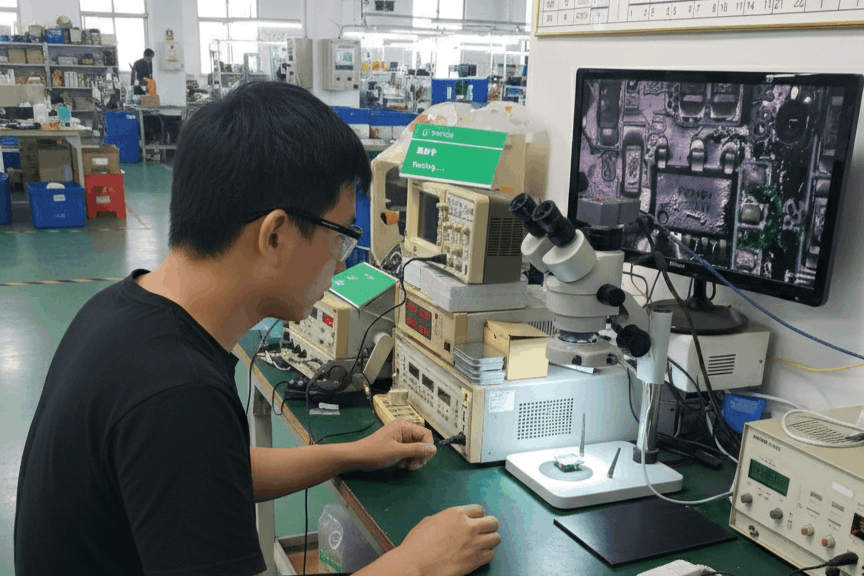
What Is PCBA Visual Inspection and How Does It Work?
PCBA visual inspection is a quality control process used to examine assembled printed circuit boards for visible defects. Using a microscope, inspectors can magnify small components and solder joints to identify issues that may be difficult to detect through unaided visual checks.
At Tektos, microscope-assisted inspection helps evaluate component placement, solder connections, and assembly workmanship against applicable quality standards. This allows potential defects to be identified before they affect subsequent manufacturing stages.
Why Microscope-Assisted Inspection Matters in PCBA Manufacturing
Small assembly defects can be difficult to detect through ordinary visual checks. Microscope-assisted inspection provides the magnification needed to examine fine solder connections, component alignment, and other critical assembly details.
For Tektos, this inspection helps identify potential defects before they progress through production, reducing the risk of overlooked assembly issues and supporting consistent manufacturing quality.
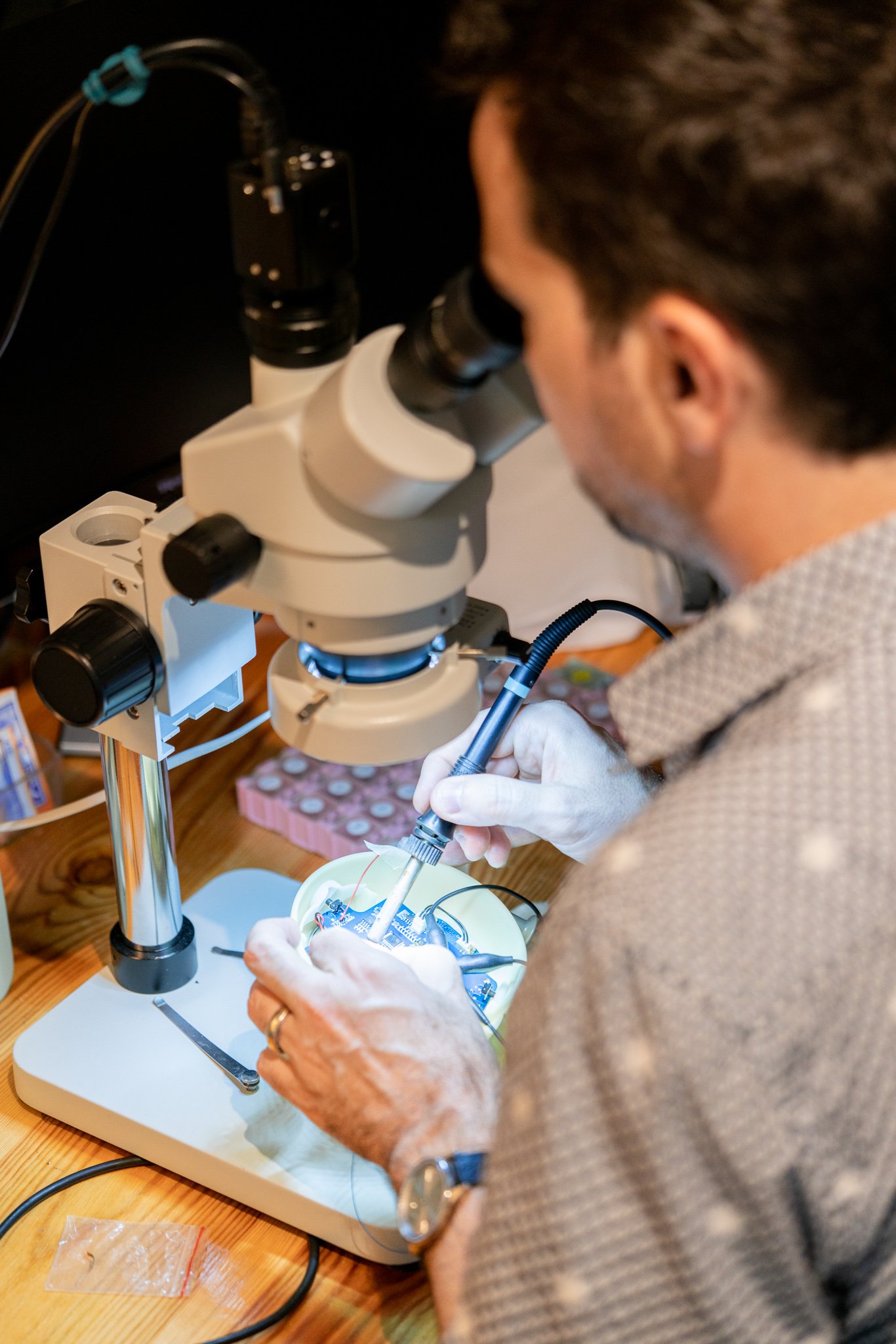
What Tektos Inspects During PCBA Visual Inspection
Using microscope-assisted inspection, Tektos examines critical areas of assembled circuit boards to identify visible defects that may affect assembly quality and product performance.
Key inspection points include:
Component Alignment: Checks whether components are correctly positioned on the PCB.
Solder Joint Quality: Examines solder connections for visible defects, including cold joints and insufficient solder.
Solder Bridging: Identifies unintended solder connections between adjacent pads or pins.
Component and Board Contamination: Checks for visible residue or foreign materials that may affect assembly quality.
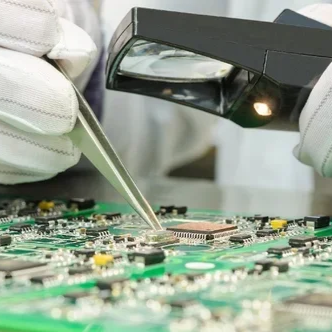
How Inspection Findings Support Manufacturing Quality
PCBA visual inspection provides valuable feedback on assembly quality. When defects or recurring issues are identified, inspection findings can help pinpoint potential problems in soldering, component placement, or production processes.
At Tektos, these findings support quality assessments and help guide adjustments to manufacturing processes when needed. This contributes to more consistent PCB assemblies and helps prevent recurring defects in production.
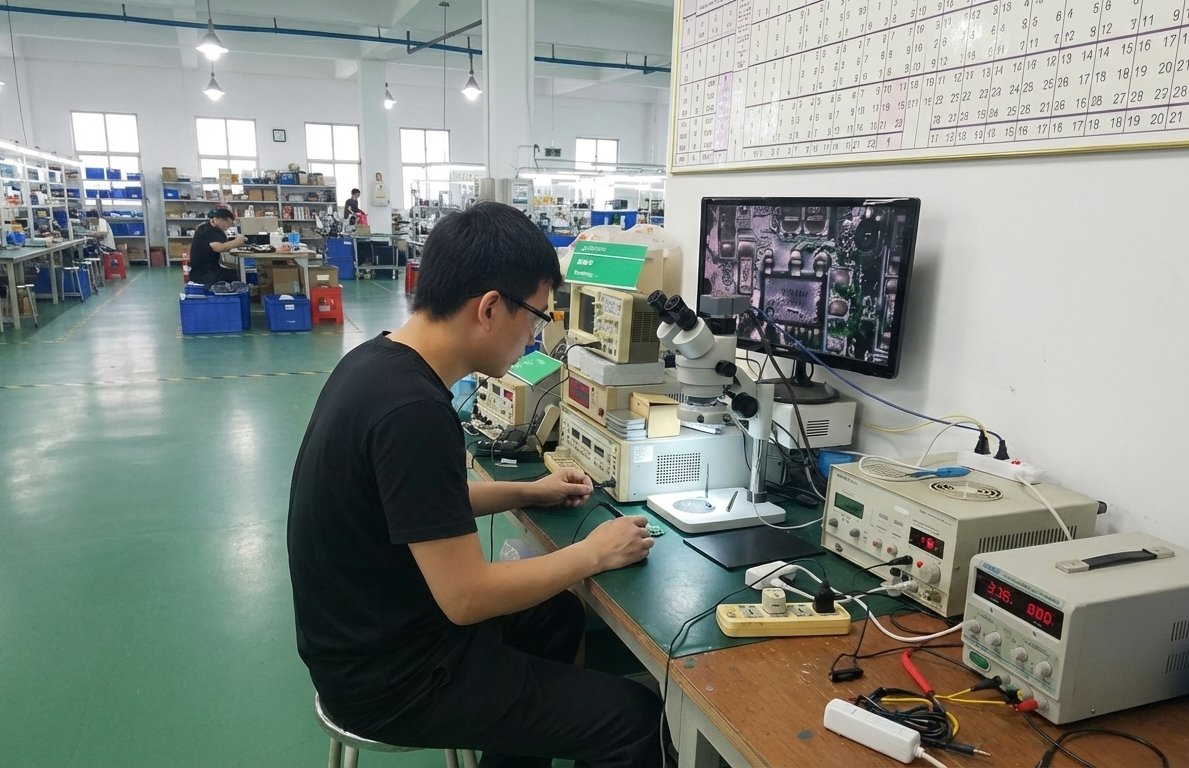
Why Tektos Uses Microscope-Assisted PCBA Inspection
Tektos integrates microscope-assisted inspection into its manufacturing quality control process to examine critical assembly details that may otherwise go unnoticed. This supports closer evaluation of component placement, solder joint quality, and overall assembly workmanship.
By combining inspection equipment with established quality criteria and manufacturing expertise, Tektos helps maintain consistent PCBA quality and supports the production of reliable electronic products.
Maintain PCBA Quality With Precision Inspection
Looking for reliable PCBA inspection as part of your product manufacturing process? Tektos combines inspection equipment and manufacturing quality expertise to help identify assembly defects and maintain consistent product quality.