
Product Reliability Testing in Extreme Conditions
Products designed for real-world use must withstand more than normal operating conditions. Exposure to extreme temperatures and varying humidity levels can affect material integrity, electronic components, and overall product performance.
At Tektos, we use environmental chamber testing to evaluate how products respond to controlled temperature and humidity conditions. This allows us to assess material behavior, identify potential weaknesses, and understand how environmental stress can affect product reliability.
As part of our manufacturing quality expertise, temperature and humidity testing helps us identify potential issues early and provides valuable insights for improving product design, component selection, and overall product durability.
What Is an Environmental Chamber and How Does It Work?
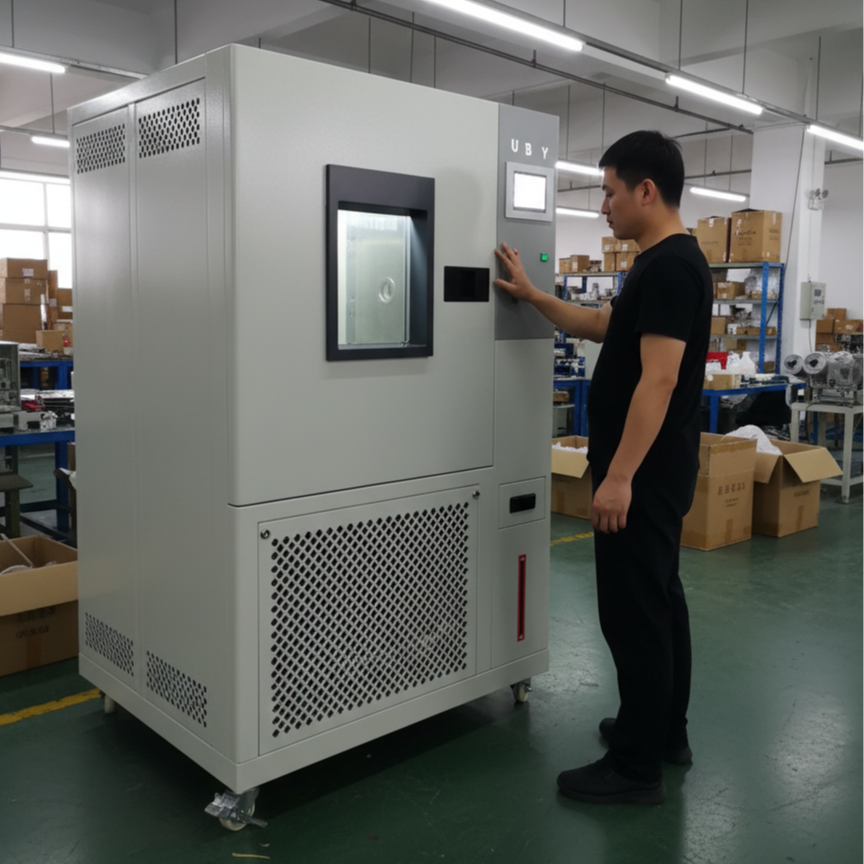
An environmental chamber is specialized testing equipment designed to expose products and components to controlled temperature and humidity conditions. It creates a controlled environment that allows engineers to evaluate how materials, electronic assemblies, and finished products respond to environmental changes.
During testing, products are placed inside the chamber and exposed to specified temperature and humidity settings. These conditions can be adjusted and maintained according to the testing requirements, allowing engineers to observe how environmental exposure affects product performance and physical integrity.
Temperature and humidity testing can help identify potential issues such as:
Thermal Stress: Changes in temperature can cause materials to expand, contract, or experience mechanical stress.
Moisture-Related Degradation: Humidity exposure can contribute to corrosion, material deterioration, and moisture-related damage.
Electronic Component Instability: Environmental changes may affect the performance and reliability of electronic components and assemblies.
Material Compatibility Issues: Different materials may respond differently to temperature and humidity, potentially affecting product fit, bonding, and structural integrity.
By simulating controlled environmental conditions, an environmental chamber helps engineers identify potential product weaknesses and evaluate whether materials and components are suitable for their intended applications.

Why Environmental Chamber Testing Matters in Manufacturing
Products may perform as expected under normal operating conditions but respond differently when exposed to temperature fluctuations and varying humidity levels. These environmental factors can affect materials, electronic components, mechanical assemblies, and the overall reliability of a finished product.
Environmental chamber testing allows manufacturers to evaluate these risks under controlled conditions before products reach their intended operating environments.
For Tektos, this testing supports manufacturing quality by helping identify potential weaknesses and assess how products respond to environmental stress.
Key Benefits of Environmental Chamber Testing
Evaluating Material Durability
Temperature changes can cause materials to expand, contract, or experience dimensional changes. Humidity can also affect certain materials, adhesives, coatings, and seals. Testing helps evaluate whether selected materials are suitable for the product's intended operating conditions.
Assessing Electronic Component Reliability
Electronic products may be affected by temperature and moisture exposure. Environmental testing helps identify potential performance issues and weaknesses in electronic assemblies that could affect product functionality.
Identifying Potential Product Failures
Exposing products to controlled environmental conditions helps reveal weaknesses that may not be apparent during ordinary functional testing. These findings can guide further investigation and engineering improvements.
Supporting Product Design and Quality Improvements
Environmental testing provides useful information for evaluating product designs, material choices, and component integration. The findings can help engineering teams address potential reliability concerns before moving further into production.
Improving Confidence in Product Performance
By evaluating products under defined temperature and humidity conditions, manufacturers gain a better understanding of how their products may respond to environmental exposure. This supports more informed quality assessments and product validation decisions.
Understanding Long-Term Material Behavior
Environmental conditions can affect more than electronic components. Changes in temperature and humidity can influence the physical properties, stability, and performance of different materials used in a product. Plastics may warp, metals may expand or contract, adhesives may weaken, and seals may experience dimensional changes.
At Tektos, we use our environmental chamber to expose products to controlled temperature and humidity conditions. This allows us to evaluate how materials, components, and assembled products respond to environmental stress and identify potential reliability concerns.
Environmental Testing in Practice: iBebot SoilQuality Sensor
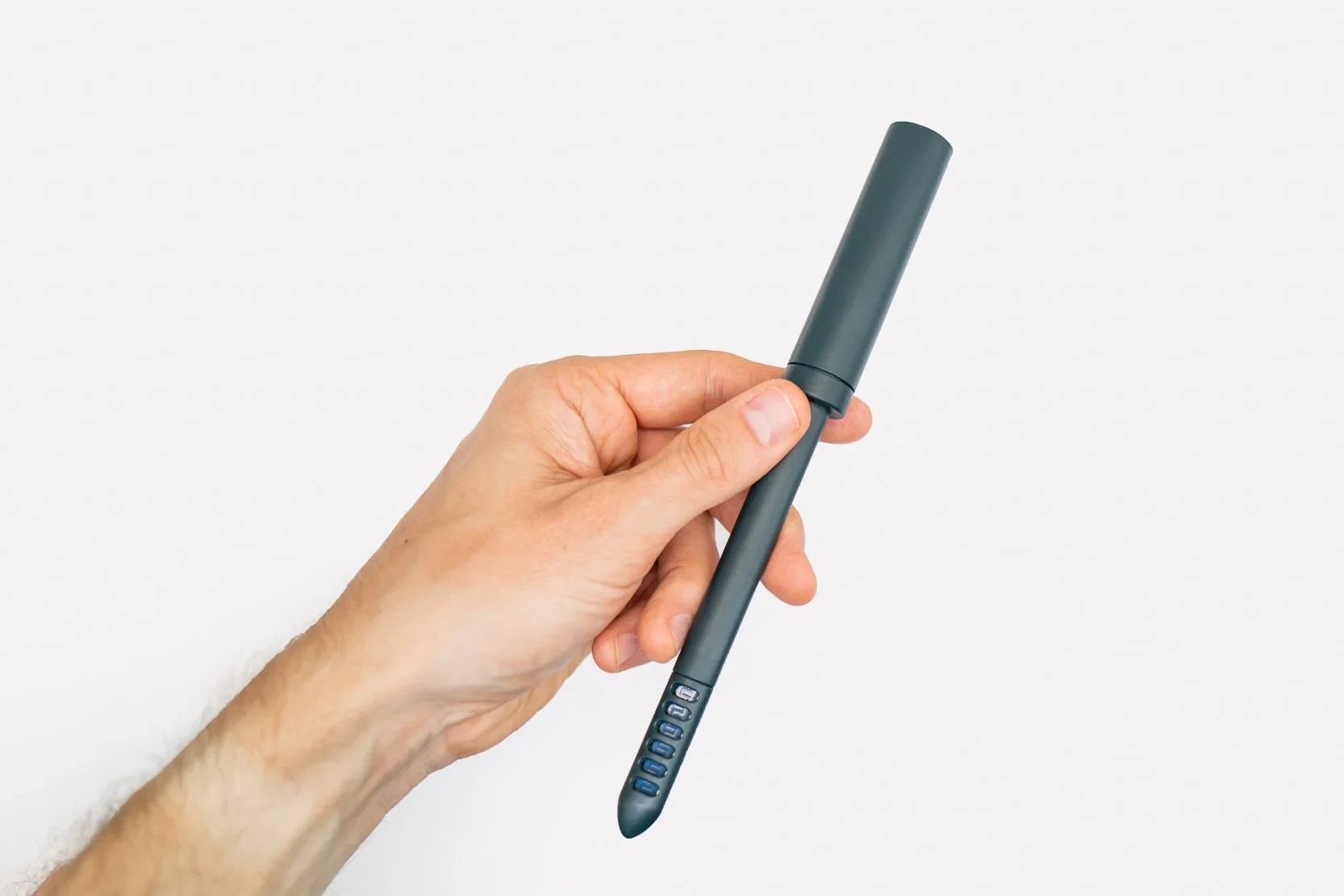
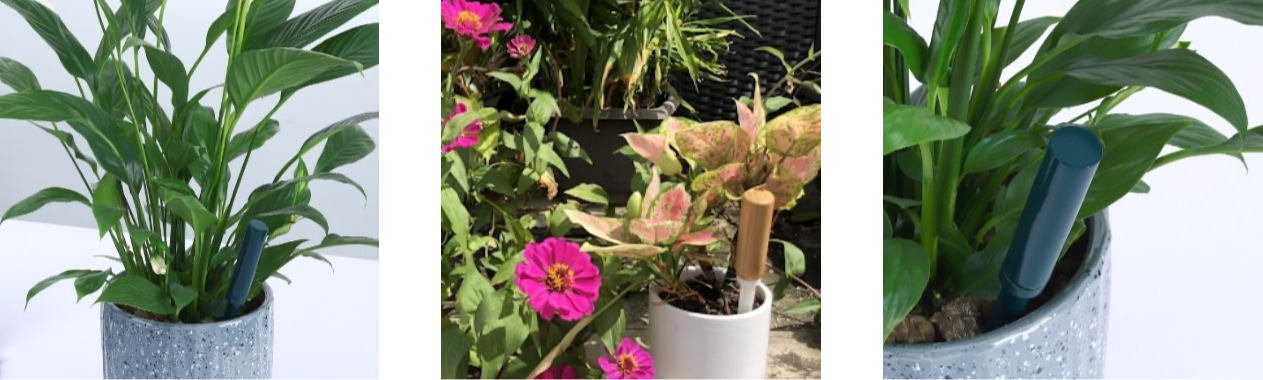
The video demonstrates Tektos' environmental chamber testing using the iBebot SoilQuality Sensor. Designed for use in gardens, greenhouses, and similar environments, the sensor may encounter changing temperatures and humidity levels during operation.
By subjecting the sensor to controlled environmental conditions, we can evaluate its response to temperature and humidity exposure and assess whether it continues to function as intended.
This testing provides valuable insights into product reliability and helps identify potential areas for engineering and design improvements.
Turning Environmental Test Results Into Better Product Quality
Environmental chamber testing provides valuable insights into how products and their components respond to temperature and humidity exposure. These findings help engineers evaluate product reliability and identify areas that may require further attention.
At Tektos, environmental testing supports manufacturing quality by helping assess:
Product Design: Identifying design weaknesses that may affect product performance under environmental stress.
Material Selection: Evaluating whether materials are suitable for the product's intended operating conditions.
Component Reliability: Assessing how electronic and mechanical components respond to temperature and humidity exposure.
Product Validation: Providing additional information to support product performance and reliability assessments.
By incorporating environmental testing into product evaluation, Tektos helps identify potential quality concerns and supports informed engineering decisions throughout product development and manufacturing.
Improve Product Reliability Through Environmental Testing
Environmental conditions can affect product performance, material integrity, and long-term reliability. Tektos combines engineering and manufacturing quality expertise to help evaluate product durability and identify potential weaknesses through environmental chamber testing.
Looking to validate your product's performance under changing temperature and humidity conditions? Talk to our team about your product development and testing requirements.