
Product Development Timeline: How Long Does It Take?

Most first-time founders underestimate how long product development actually takes. It’s common to assume a product can move from idea to launch in six months, especially when early prototypes or app mockups come together quickly. In reality, most products take significantly longer, and that’s not necessarily a sign of poor execution. It’s the reality of building something new.
Understanding the full product development process helps explain why timelines often expand beyond initial expectations, especially as products move through prototyping, engineering validation, manufacturing preparation, and testing phases.
The challenge becomes even greater for connected products that combine hardware, firmware, software, and cloud systems into a single experience. Every added layer increases coordination, testing, and iteration requirements.
That’s why honest timeline planning matters. Unrealistic expectations often lead to rushed decisions, budget overruns, team burnout, and delayed launches.
In this guide, we’ll break down realistic product development timelines by product type and development stage, explain the biggest factors that affect schedules, and outline practical ways to build a roadmap your team can actually execute with confidence.
Overview of the Product Development Timeline
One of the hardest questions in the product development process is: “How long will this take?”
The honest answer is that there’s no universal timeline. Development schedules vary widely depending on the product category, technical complexity, regulatory requirements, team experience, and manufacturing scope involved.
A lightweight software MVP can often move relatively quickly because iteration cycles are shorter and deployment is easier. Hardware products, on the other hand, involve sourcing, prototyping, testing, tooling, manufacturing setup, and compliance work that add substantial time. Connected IoT products typically require even longer timelines because multiple systems must work together reliably.
Here’s a realistic view of how timelines generally compare across product categories:
| Product Type | Typical Timeline | Notes |
|---|---|---|
| Simple software product (MVP) | 3–9 months | Shorter iteration cycles |
| Complex software platform | 9–18 months | Integrations, scaling, compliance |
| Consumer hardware product | 12–24 months | Tooling, certification, manufacturing |
| Connected/IoT product | 15–30+ months | Hardware + firmware + software + cloud |
| Regulated product (medical, automotive) | 24–48+ months | Certification-heavy development |
These ranges are intentionally broad because product development rarely follows a perfectly linear process. A product may move quickly through early design stages but slow dramatically during sourcing or testing. In other cases, manufacturing readiness or certification becomes the primary bottleneck.
It’s also important to understand that launch is rarely the end of development. Most successful products continue evolving after release through firmware updates, usability improvements, reliability fixes, and additional feature iterations.
The goal isn’t to build the “perfect” timeline. The goal is to build one grounded in reality.
Timeline by Development Stage
Product development timelines become easier to understand when broken into stages. While every project is different, most physical and connected products move through some version of the following phases.
| Stage | Typical Duration | Key Activities | Common Pitfalls |
|---|---|---|---|
| Idea Validation | 2–8 weeks | Market research, user interviews, competitive analysis | Skipping validation to “save time” |
| Concept & Design | 1–3 months | Industrial design, UX, systems architecture | Over-designing before validation |
| Prototyping | 2–6 months | Functional prototypes, engineering iteration, feasibility testing | Expecting the first prototype to work |
| Testing & Refinement | 2–6 months | User testing, reliability testing, DFM review | Underestimating iteration cycles |
| Certification & Compliance | 1–6 months | FCC, CE, UL, FDA, or industry-specific testing | Discovering compliance requirements too late |
| Manufacturing Setup | 2–6 months | Tooling, sourcing, pilot runs, supplier onboarding | Rushing into production prematurely |
| Launch & Post-Launch | Ongoing | Product release, support, iteration planning | Treating launch as the finish line |
Idea Validation
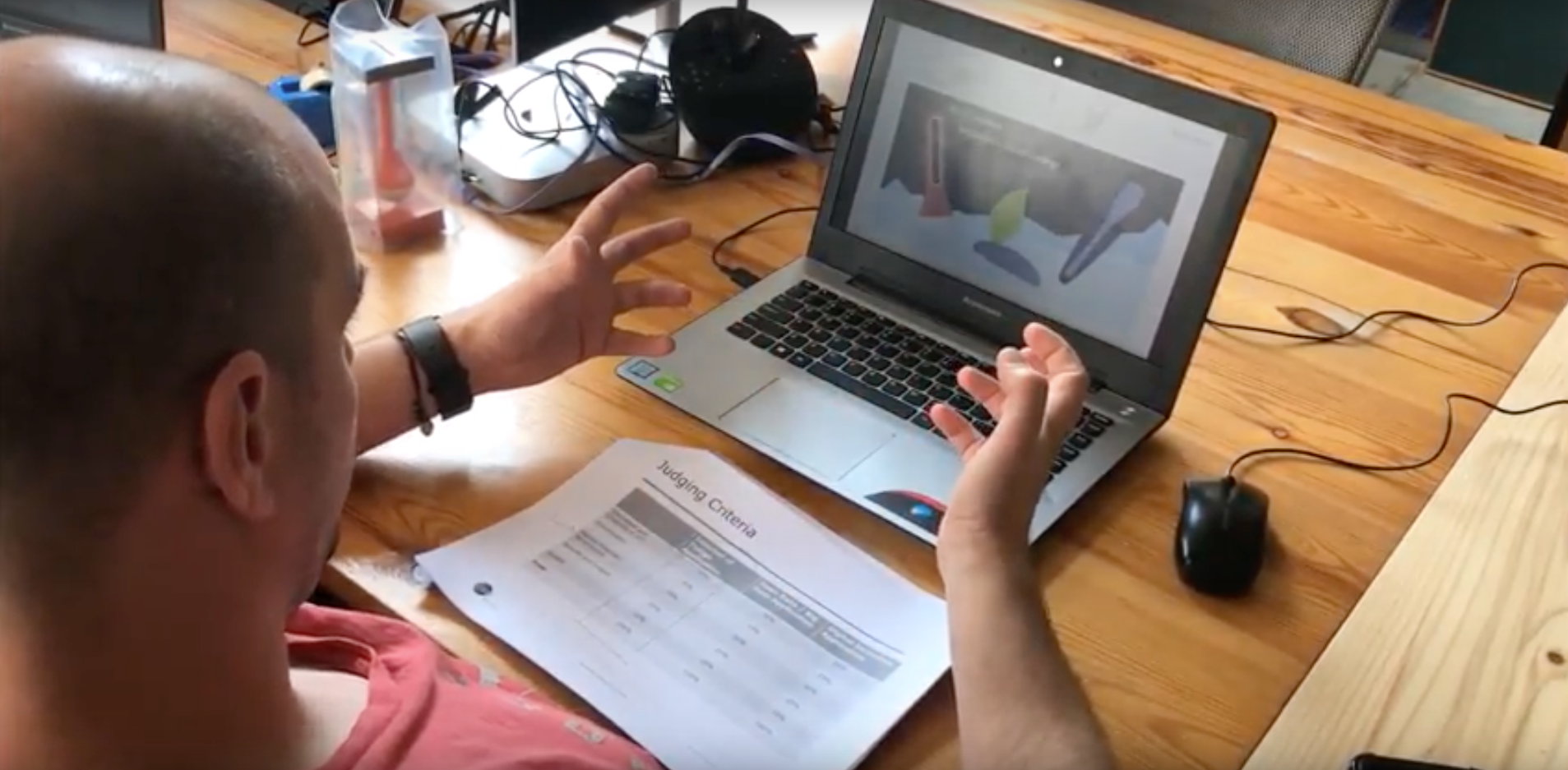
This stage focuses on understanding whether the problem is worth solving before major development investment begins. Teams typically conduct customer interviews, evaluate competing solutions, and validate demand assumptions.
A common mistake is skipping validation because founders feel pressure to move quickly. In practice, failing to validate early usually creates larger delays later when teams realize they built something customers don’t actually need.
Concept & Design
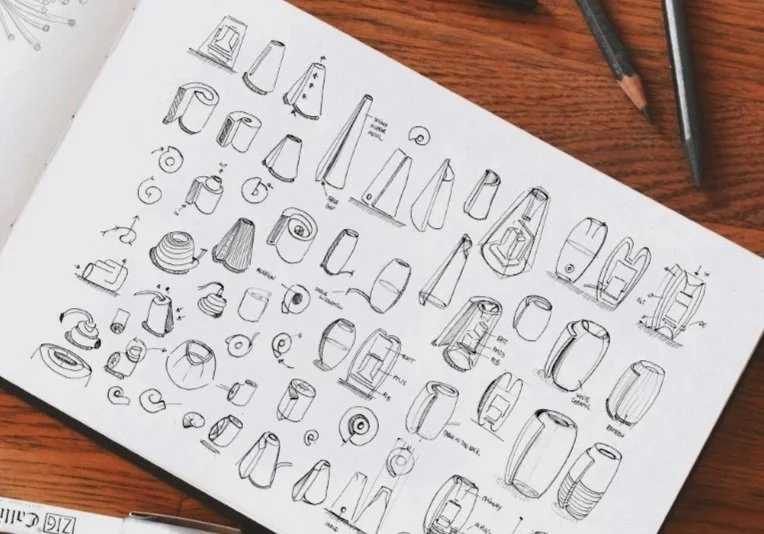
This stage often includes industrial design and user experience planning, systems architecture, and feasibility analysis.
Once the opportunity is validated, teams begin shaping the product itself. This stage often includes industrial design and user experience planning, systems architecture, and feasibility analysis.
Many first-time founders spend too much time polishing concepts before validating technical or market assumptions. Clear direction matters more than visual perfection early on.
Prototyping

Prototyping is where product ideas meet real-world electronic engineering and mechanical constraints. Hardware teams typically move through several prototyping and engineering validation rounds to validate functionality, usability, thermal performance, manufacturability, and reliability.
One of the most common misconceptions is expecting the first prototype to work flawlessly. Iteration is normal and usually necessary.
Testing & Refinement

Testing is often far more extensive than founders initially expect. Teams may conduct usability studies, environmental testing, reliability testing, firmware validation, and design-for-manufacturability reviews.
Many schedules break down here because teams budget for one testing round when multiple cycles are usually required.
Certification & Compliance
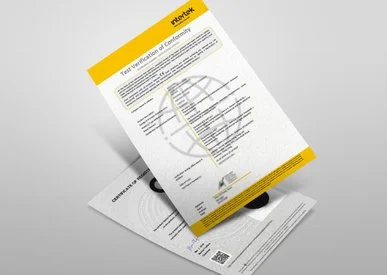
Products involving wireless communication, batteries, healthcare, automotive systems, or consumer safety standards often require formal compliance testing before launch.
Certification timelines are commonly underestimated because they depend on external labs, documentation requirements, and strict testing procedures that cannot easily be rushed.
Manufacturing Setup
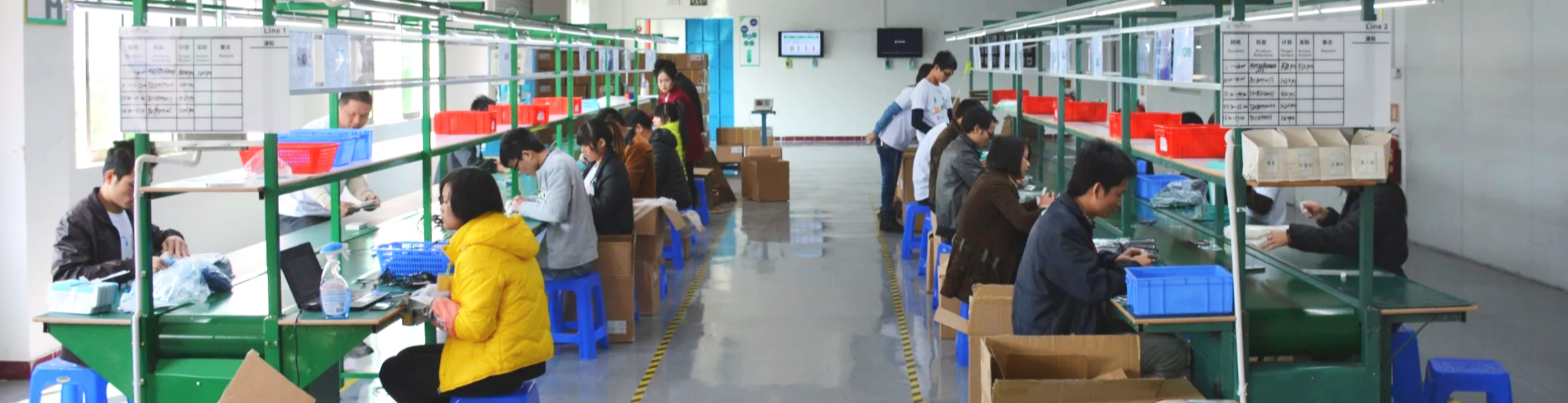
Even after the product design is finalized, manufacturing readiness takes time. Teams must coordinate tooling, supplier qualification, assembly planning, manufacturing readiness and quality control procedures, and pilot production runs.
Rushing into mass production without validating manufacturing processes often creates expensive downstream quality problems.
Launch & Post-Launch

Launch is not the end of product development. Most successful products continue evolving after release through software updates, customer feedback, support learnings, and future hardware revisions.
The strongest teams treat launch as the beginning of the next iteration cycle, not the finish line.
In practice, these stages often overlap rather than happen sequentially. Firmware development may continue while hardware testing is underway, and sourcing discussions may begin before designs are finalized. Still, certification and manufacturing remain two of the most underestimated phases in physical product development.
Key Factors That Affect Development Time
1. Product Complexity
The complexity of your product directly impacts development time. A simple Bluetooth-enabled consumer device is significantly easier to build than a connected medical wearable with multiple sensors, cloud infrastructure, mobile applications, embedded systems, and compliance requirements.
Each additional subsystem introduces more engineering coordination, testing requirements, and potential failure points.
2. Team Experience
Experienced product teams typically move faster, not because they work harder, but because they recognize risks earlier. Teams with prior experience in hardware development, manufacturing, or embedded systems often avoid delays that first-time founders don’t see coming.
Experienced teams can frequently reduce timelines simply by avoiding preventable mistakes.
3. Clarity of Requirements
Unclear product requirements create downstream rework. If priorities, user needs, or technical constraints remain vague, engineering teams are forced to revisit decisions later in development.
Teams that invest heavily in clear specifications up front generally move more efficiently later.
4. Budget and Resources
Budget limitations often slow development indirectly. Underfunded teams may need to work sequentially instead of running design, sourcing, firmware, and testing efforts in parallel.
Projects also commonly stall when funding gaps appear during tooling, certification, or manufacturing preparation.
Additionally, teams focused on sustainable manufacturing practices may require extra planning time to source eco-friendly materials and optimize production for reduced environmental impact.
5. Supply Chain and Sourcing
Hardware schedules are heavily affected by sourcing realities. Long lead times, supplier reliability issues, shipping delays, and geopolitical disruptions can impact timelines significantly.
In some cases, a single unavailable component can delay an entire production schedule by months.
6. Regulatory and Certification Requirements
Products in regulated industries face timelines that cannot simply be compressed through faster execution. Medical, automotive, aerospace, and industrial products often require extensive testing and documentation before launch approval.
These processes are typically controlled by external regulatory standards rather than internal development speed.
7. Integration Scope
Connected products require coordination across hardware, firmware, mobile apps, cloud systems and IoT infrastructure, and data infrastructure. Even if each individual component works independently, integration testing often reveals unexpected issues.
The broader the ecosystem, the longer validation usually takes.
8. Number of Design Iterations
Iteration is a normal part of product development, especially in hardware. Most products require several prototype rounds before achieving production readiness.
Founders who plan for multiple iterations upfront generally build more resilient schedules and budgets.
Common Causes of Delays
Poor Upfront Planning
Many product delays begin before development even starts. Teams that move into engineering without clear user requirements, technical constraints, or success metrics often encounter expensive rework later.
The earlier the uncertainty exists, the more disruptive it becomes downstream.
Scope Creep and Design Changes
Late-stage feature additions are one of the most common causes of schedule expansion. Small changes may seem manageable individually, but together they affect engineering, testing, sourcing, and manufacturing workflows.
In hardware development, design changes after tooling begins can become particularly expensive and time-consuming.
Communication Gaps
Misalignment between founders, engineers, industrial designers, firmware developers, and manufacturing partners often surfaces late in development when corrections are hardest to implement.
Strong communication processes reduce surprises and help teams identify issues earlier.
Underestimated Testing Cycles
Many teams plan for one round of testing when multiple cycles are typically required. Reliability failures, firmware bugs, usability issues, and manufacturing inconsistencies frequently lead to additional iteration rounds.
Testing delays are often part of responsible development, not necessarily signs of poor execution.
Certification Surprises
Compliance requirements discovered late in development can add significant delays. Wireless communication, battery systems, medical features, and safety standards all introduce additional validation requirements.
The earlier compliance considerations are addressed, the fewer disruptions teams usually encounter later.
Supplier and Manufacturing Issues
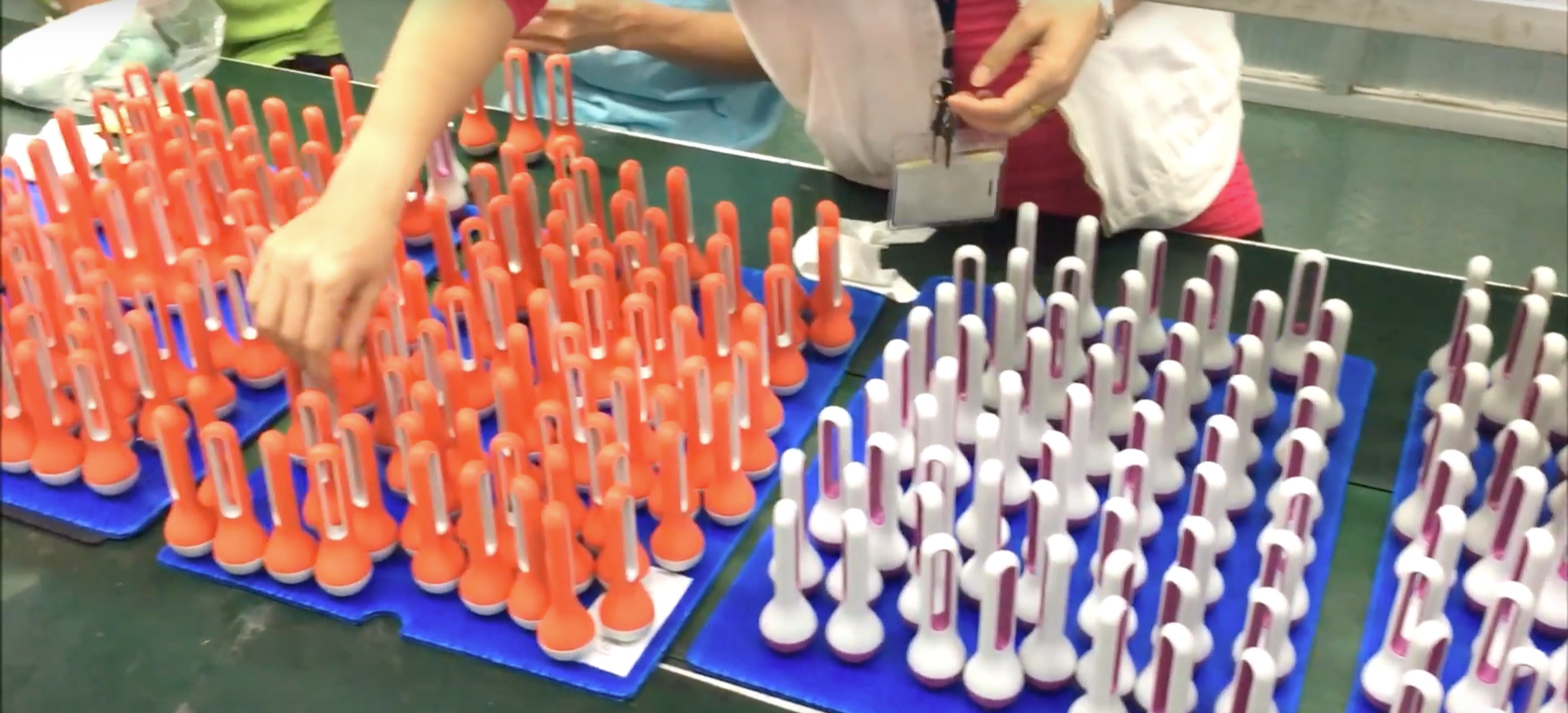
Factories may experience tooling defects, sourcing shortages, quality inconsistencies, or production bottlenecks. Even well-managed supply chains occasionally encounter disruptions.
Experienced product teams generally build contingency time into manufacturing schedules because delays are common.
Funding Gaps
Running low on capital mid-development often forces difficult tradeoffs. Teams may pause development, reduce scope, or delay manufacturing while seeking additional funding.
In many cases, timelines slip not because teams move slowly, but because the original expectations were unrealistic from the beginning.
How to Build a Realistic Timeline (and Speed It Up Where Possible)
Some parts of product development can move faster with the right strategy. Others have practical limits that shouldn’t be ignored. The goal is not to eliminate every delay; it’s to reduce avoidable ones while planning realistically for the unavoidable.
1. Invest Heavily in the First 10%
The earliest planning phase has an outsized impact on the overall schedule. Clear product requirements, validated assumptions, and aligned priorities reduce downstream confusion and rework.
Teams that rush through planning often lose far more time later correcting preventable mistakes.
2. Use Agile Iterations with Structured Milestones
Short development cycles combined with clear milestones help teams maintain momentum while reducing large-scale surprises. Agile workflows are especially useful for connected products where software and hardware evolve together.
The key is balancing speed with enough structure to maintain alignment across disciplines.
3. Work with Integrated Teams
Integrated product teams reduce communication gaps and handoff delays. When hardware, firmware, software, and manufacturing experts collaborate early, cross-functional issues are identified sooner.
This becomes especially important for IoT and connected device development.
4. Engage Manufacturers and Suppliers Early
Manufacturing feedback during the design phase helps teams identify sourcing challenges, assembly constraints, and tooling risks before production begins.
Early design-for-manufacturability reviews often save months later in development.
5. Validate with Users Continuously
User validation shouldn’t happen only at launch. Regular feedback loops help teams catch usability problems and product-direction mistakes early, when adjustments are still manageable.
Correcting direction early is significantly faster than redesigning after manufacturing begins.
6. Run Parallel Workstreams
Many development activities can happen simultaneously rather than sequentially. Firmware development, sourcing, industrial design, and backend infrastructure planning can often progress in parallel with proper coordination.
Parallel execution can shorten schedules substantially when managed carefully.
7. Add Realistic Buffer
One of the most practical timeline strategies is building in contingency from the start. Many experienced product teams add approximately 25–30% buffer to early development estimates.
Buffers account for testing failures, sourcing delays, design revisions, and manufacturing uncertainty.
At the same time, it’s important to acknowledge that some stages simply cannot be compressed beyond a certain point. Certification testing, tooling fabrication, component lead times, and manufacturing ramp-up all involve real-world constraints. Attempting to shortcut these stages often creates larger delays later through failed testing, production issues, or quality problems.
Why Honest Timelines Matter
Over-promised timelines create pressure across the entire product organization. Teams rush decisions, budgets expand unexpectedly, and trust erodes when milestones repeatedly slip.
Realistic timelines create healthier development environments. They support stronger investor conversations, better hiring decisions, more accurate manufacturing planning, and more reliable product launches.
The best product development partners are usually the ones willing to challenge unrealistic expectations early, not the ones promising impossible schedules to win projects.
A realistic 18-month roadmap that launches successfully is far more valuable than a “6-month” plan that ultimately takes two years.
At Tektos Ecosystems, we’ve seen that the strongest products are usually built by teams willing to plan honestly from the beginning. Aligning expectations early often prevents the most expensive problems later in development.
Building Products with Realistic Expectations
If you're planning a new product, having an experienced development partner can make the difference between a realistic roadmap and costly delays.
At Tektos Ecosystems, we help companies navigate the full product development lifecycle, from early concept validation and industrial design to hardware engineering, embedded systems, software platforms, manufacturing readiness, and post-launch support.
Because we work across both hardware and software development, we understand how timelines are shaped by technical complexity, compliance requirements, iteration cycles, and production realities.
Our approach is grounded in honest assessments, practical execution, and long-term scalability, not unrealistic promises. Whether you're building a connected device, enterprise platform, or integrated hardware-software product, our team can help you define achievable timelines, reduce development risk, and move forward with confidence.
Talk to our team about your product goals and development challenges.
Frequently Asked Questions
-
A typical product development timeline ranges from 3–9 months for simple software MVPs to 12–30+ months for hardware and connected products. The final timeline depends on technical complexity, manufacturing requirements, integrations, and regulatory considerations.
-
Hardware product development generally takes 12–24 months, depending on complexity and manufacturing scope. Products involving wireless communication, custom electronics, or certification requirements often take longer.
-
Certain parts of development can move faster through better planning, integrated teams, and parallel workflows. However, stages like certification, tooling, and manufacturing have practical constraints that usually cannot be compressed significantly.
-
Many experienced product teams add roughly 25–30% contingency to initial development estimates. This helps account for iteration cycles, testing delays, sourcing issues, and unexpected engineering challenges.
-
Certification and manufacturing setup are often the most underestimated phases, especially in hardware and connected device development. Testing requirements, tooling adjustments, and pilot production issues frequently take longer than expected.