Connector Durability Evaluation for Long-Lasting Performance
We don’t just test connectors, we simulate their entire working life.
Our in-house testing process ensures every connector system we ship stands up to the mechanical and electrical stresses of real-world use. Whether it’s USB, Type-C, DC jacks, or custom formats, we design for longevity and then prove it with data.
Beyond mechanical endurance, we also evaluate environmental resilience. Exposure to temperature changes, humidity, and dust can degrade performance over time, so we replicate these conditions to make sure every connector stays dependable in any setting.
Users often handle connectors roughly—twisting, pulling, and plugging them at awkward angles. If a connector isn’t built to withstand this abuse, the entire product becomes unreliable.
By observing how actual users interact with connectors in everyday scenarios, we can anticipate problem points before they cause failures. This user-centric approach informs both design improvements and material selection, ensuring reliability even under non-ideal handling.

What We Do
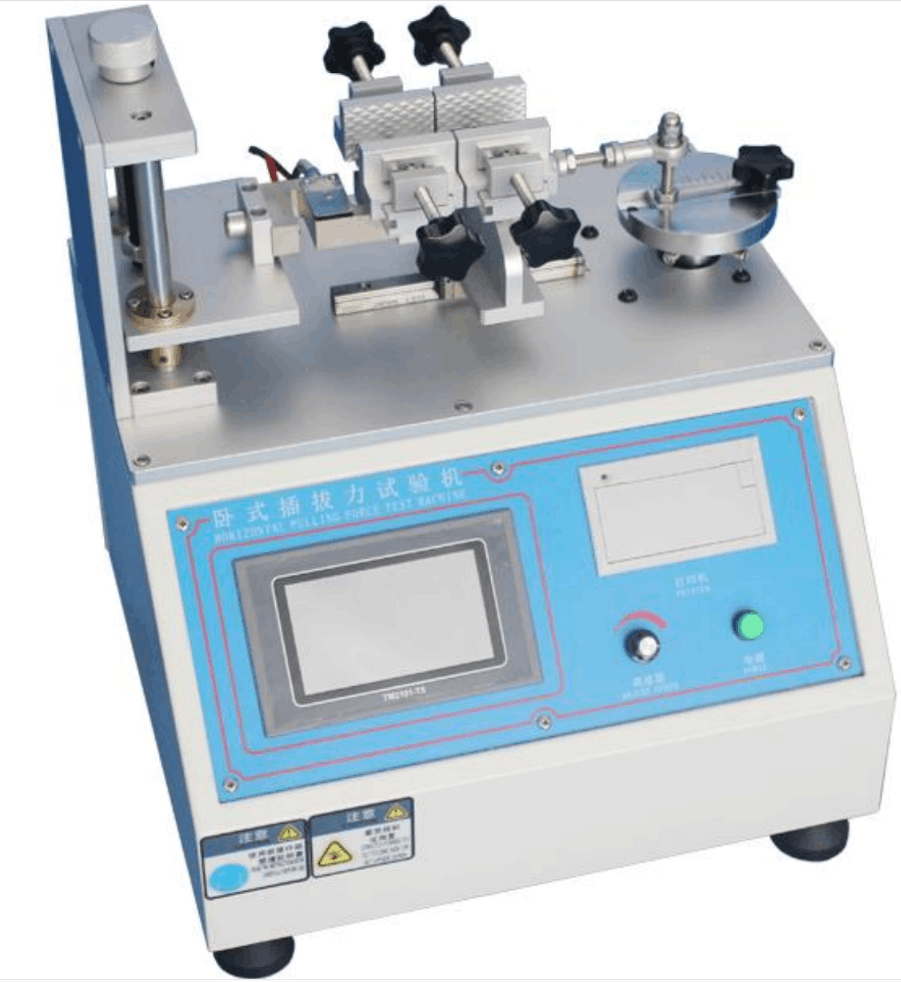
We simulate thousands of insertion cycles, angled pulls, retention force tests, and stress patterns that reflect real human behavior. We assess contact wear, coating degradation, structural damage, and retention consistency throughout repeated cycles. We also test connectors with various cable types since customers rarely use the “ideal” cable.
Additionally, we perform electrical performance checks throughout the lifecycle of each connector. By monitoring signal integrity and resistance changes over time, we confirm that the connectors maintain high-quality connections, even after extensive use, safeguarding data transfer and power delivery reliability.
Why It Matters
Connectors may be small, but their failures can be significant—resulting in loose connections, inconsistent charging, or failed data transfers. By conducting thorough tests, we ensure interfaces remain robust, predictable, and reliable throughout the product's life.
A single connector failure can cascade into larger system problems, from device malfunctions to safety hazards. By prioritizing durability, we protect both the end-user experience and the product’s overall reputation, giving customers confidence that their devices will perform as expected day after day.