
Wildlife Animal Tracker
Real-Time Wildlife Protection Through Hidden Intelligence
YEAR
2018
CLIENT
Now Rhino
EXPERTISE
Electronic Design
Firmware Development
Prototyping
Certification
Testing & Qualification
Mass Production
Project Overview
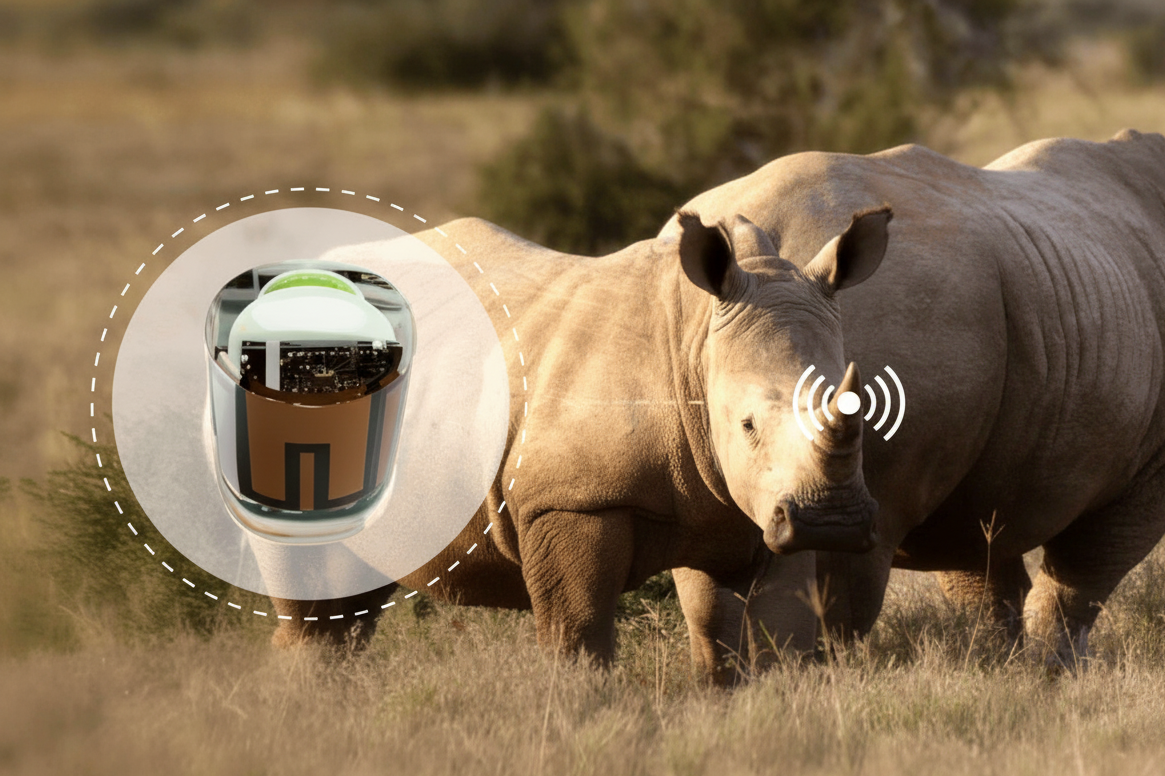
In 2018, Tektos Ecosystems partnered with Now Rhino, a conservation group facing one of wildlife protection's most urgent challenges: how to track and monitor endangered rhinoceroses in some of the world's most remote and unforgiving environments. Poaching had devastated rhino populations, and traditional tracking methods weren't providing the protection these animals desperately needed.
Existing solutions fell short in critical ways. External tracking collars were bulky, visible to poachers, and vulnerable to damage. Satellite trackers offered coverage but came with prohibitive costs and battery life measured in months rather than years. GPS tags required frequent battery replacements, meaning repeated interventions that stressed the animals and put rangers at risk.
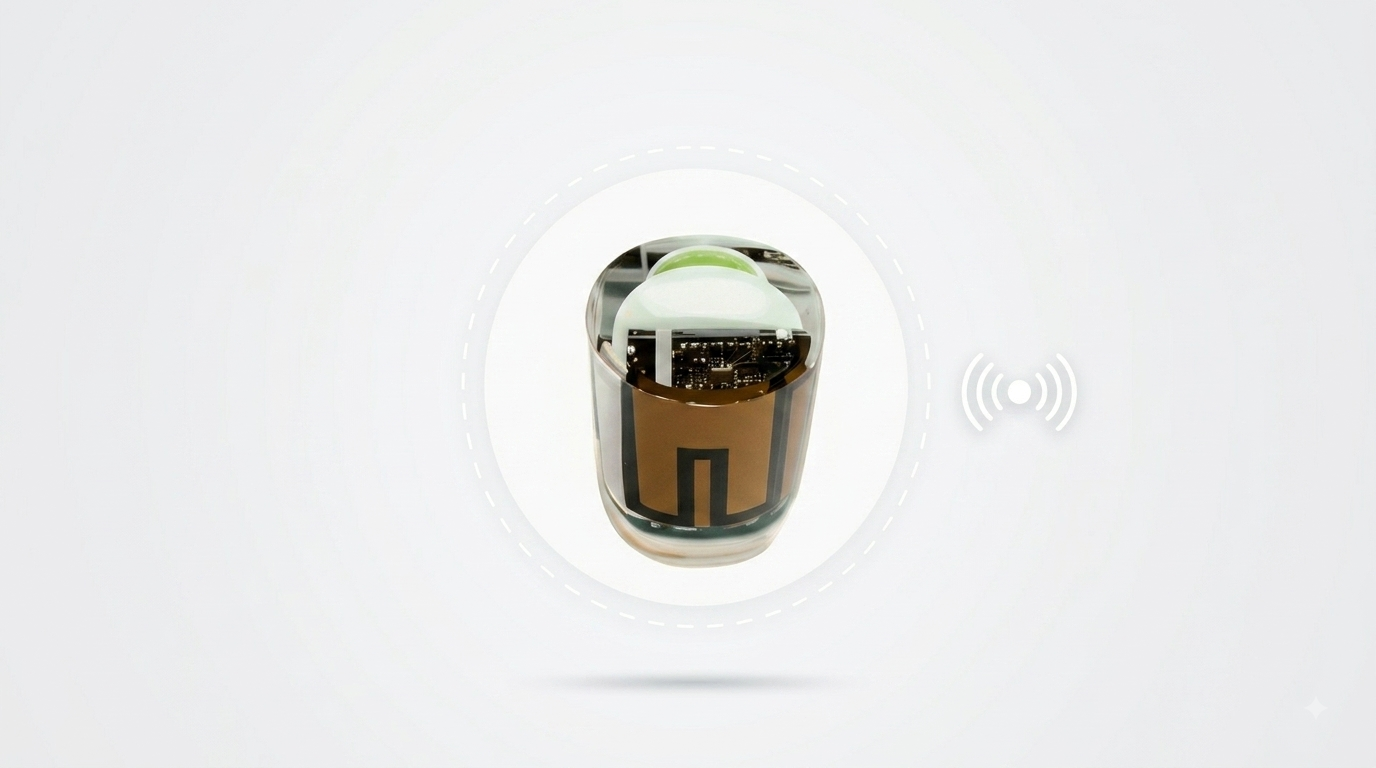
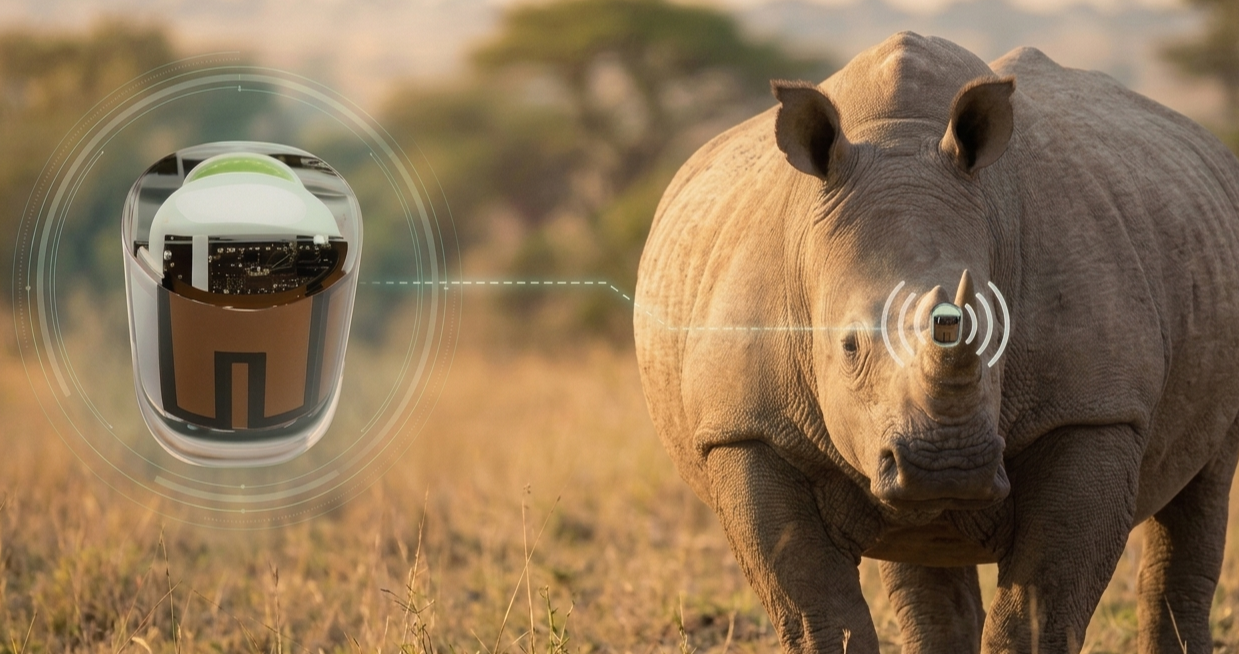
What Now Rhino needed was something that had never been built before: a bite-sized GPS device that could be implanted directly in a rhinoceros horn, connected to the Sigfox network—a low-power, wide-area network ideal for tracking animals in remote areas. With up to three years of battery life, it would provide real-time tracking and monitoring to protect rhinos from poachers while remaining completely hidden and requiring minimal intervention.
We set out to create exactly that—a tracking device small enough to hide inside a rhino's horn, tough enough to survive years in the wild, efficient enough to run for years on a single battery, and connected enough to transmit location data from areas where cellular networks didn't exist. The goal was to give conservation teams the real-time intelligence they needed to protect these endangered animals while minimizing human interaction and stress on the rhinos themselves.
The Challenge
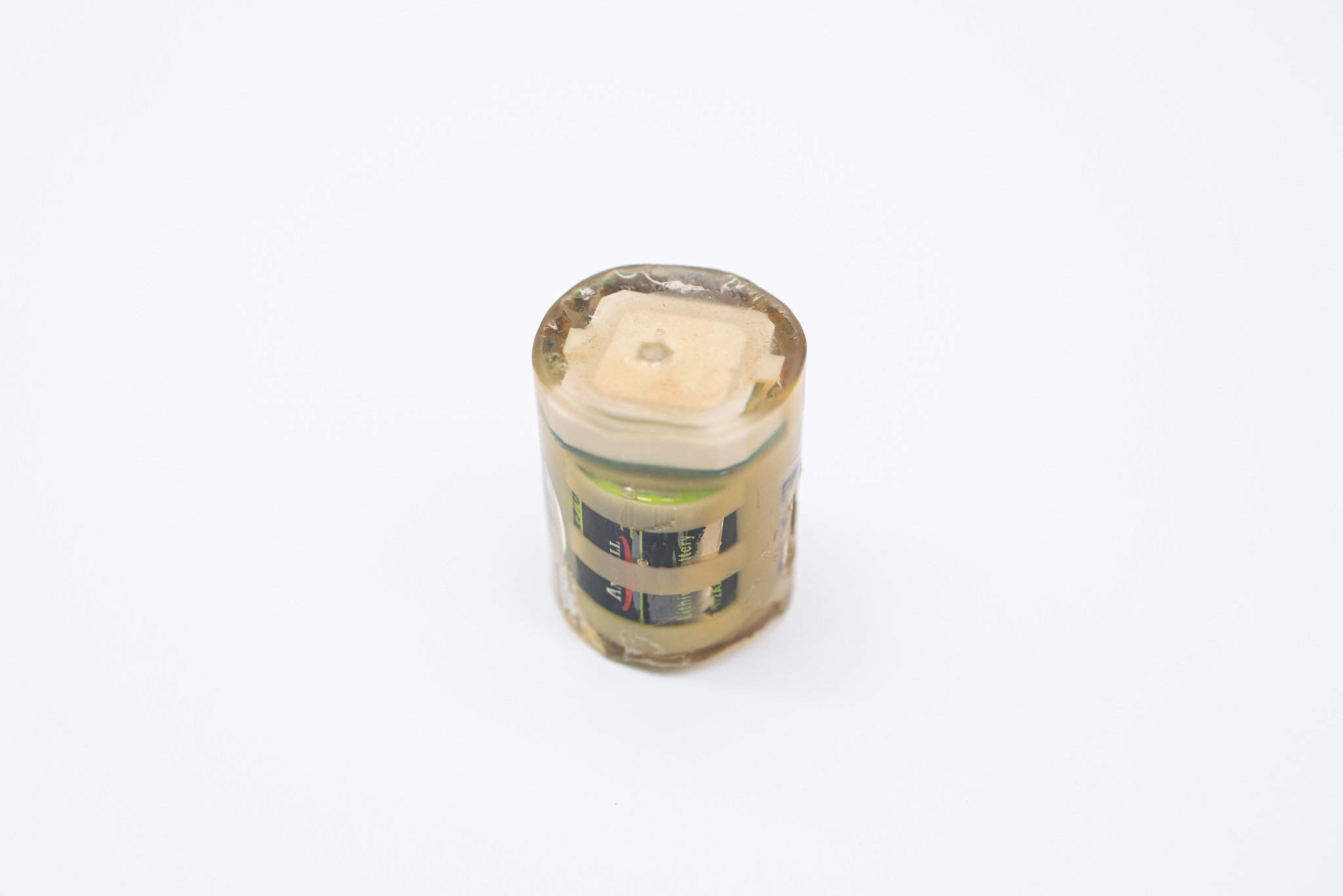
The technical requirements seemed almost contradictory. The device needed to be small enough to implant inside a rhino's horn without causing harm or discomfort, yet robust enough to withstand the physical forces of an animal weighing over two tons moving through dense brush and rough terrain.
It needed to transmit precise location data across vast distances in areas with no traditional cellular coverage, yet do so on minimal power to achieve multi-year battery life. It needed to be completely hidden from poachers, yet easily monitored by conservation teams potentially hundreds of miles away.
Beyond the technical challenges, we faced operational constraints. Once implanted, the device would be nearly impossible to service or replace. Every component, every line of code, every power management decision had to be perfect from day one. There would be no firmware updates in the field, no battery swaps, no second chances.
The stakes were real. These weren't consumer electronics that could fail and be replaced. These were life-saving tools protecting some of the planet's most endangered animals. Every design decision carried weight.
Our Approach
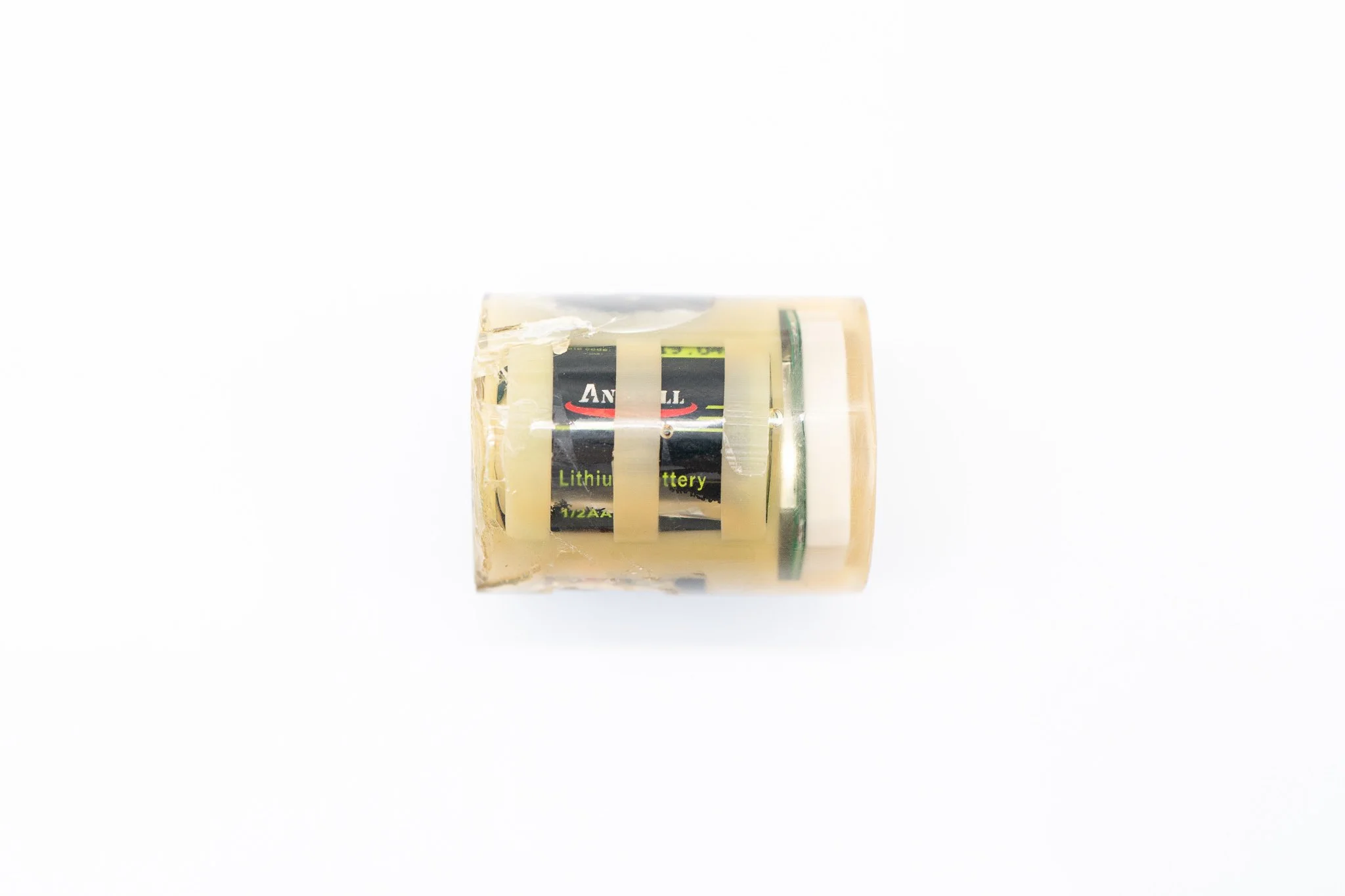
We began by fundamentally rethinking wildlife tracking. Instead of following the standard approach of external collars or tags, we designed the tracker to be implanted directly into the rhino's horn—a structure made of keratin, the same material as human fingernails, that could accommodate a small device without causing pain or compromising the animal's wellbeing.
This approach solved multiple problems simultaneously. The device would be invisible to poachers, protected from environmental damage, and impossible to remove without detection. But it also created new engineering challenges around miniaturization, durability, and signal transmission through biological tissue.
Network Selection: The Sigfox Solution
Traditional GPS trackers rely on cellular networks or satellites for communication, but we needed something different. We chose Sigfox, a low-power, wide-area network (LPWAN) specifically designed for IoT devices in remote locations. Sigfox operates on ultra-narrow band frequencies that can transmit small data packets over distances exceeding 50 kilometers, even in areas with no cellular infrastructure.
This network choice was transformative. Unlike cellular connections that consume significant power establishing and maintaining connections, Sigfox transmits brief location updates using minimal energy. The trade-off was bandwidth—we couldn't send large amounts of data—but for tracking applications, periodic GPS coordinates were exactly what we needed.
Power Optimization
Achieving three years of battery life in a device this small required obsessive attention to power management. Our electronics team designed custom power circuits that put the device into deep sleep between transmissions, waking only to capture GPS coordinates and send updates through the Sigfox network.
We optimized transmission frequency to balance battery life with tracking resolution. Too frequent updates would drain the battery; too infrequent would leave gaps in movement data. Our firmware engineers implemented intelligent algorithms that adjusted transmission patterns based on movement detection, sending more frequent updates when the animal was active and extending sleep periods during rest.
Every component was selected for ultra-low power consumption. Every line of firmware code was scrutinized for efficiency. We measured power draw in microamps, finding savings wherever possible.
Ruggedization and Reliability
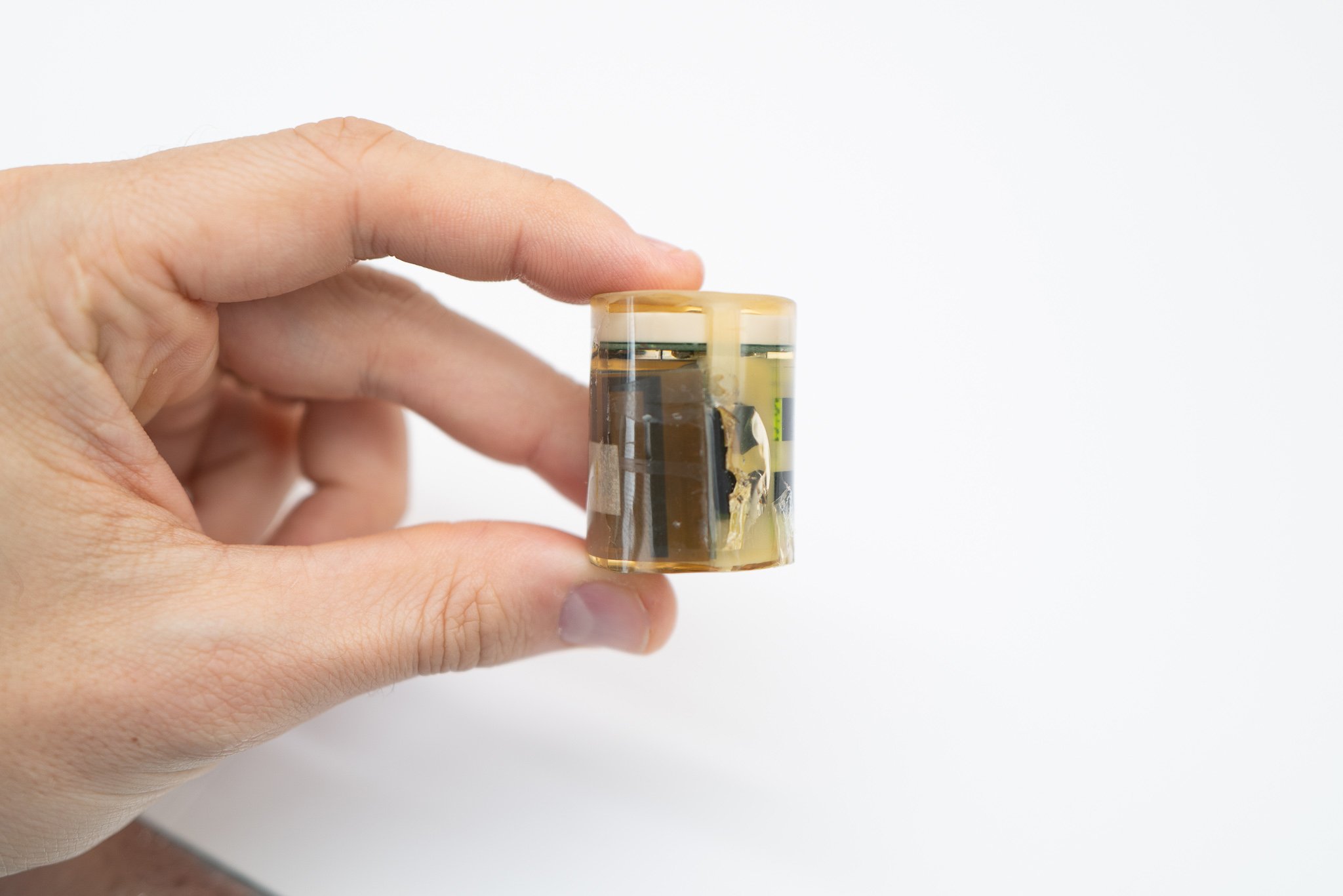
The device needed to survive conditions that would destroy typical electronics: extreme temperature swings, humidity, physical impacts, and years of continuous operation. We selected industrial-grade components rated for extended temperature ranges and designed protective enclosures that could withstand the mechanical stresses of living inside a moving rhino horn.
Sealing was critical. Even minor moisture ingress would cause failure. We developed specialized encapsulation techniques that protected all electronics while keeping the device as compact as possible.
Field Testing and Iteration
We worked closely with Now Rhino throughout development, testing prototypes under conditions that mimicked real-world deployment. Each iteration brought refinements—improved GPS acquisition times, better power efficiency, more reliable transmission through biological tissue, stronger physical construction.
Field tests in conservation areas provided invaluable data. We learned how signal strength varied with terrain, how animal behavior affected transmission success, how environmental factors influenced battery performance. Each insight fed back into design improvements.

The Solution
The final Wildlife Animal Tracker represents a breakthrough in conservation technology. At its heart is a miniaturized GPS module paired with a Sigfox transmitter, all powered by a carefully selected battery optimized for longevity and temperature resilience.
The device captures GPS coordinates at programmed intervals and transmits them through the Sigfox network to cloud servers, where conservation teams can monitor rhino movements in real-time through a web-based dashboard. The system provides not just location data, but movement patterns, territory boundaries, and behavioral insights.
Real-Time Protection
Once implanted, the tracker operates autonomously for up to three years. Conservation rangers receive continuous location updates, allowing them to map each rhino's territory, understand movement patterns, and identify unusual behavior that might indicate distress or poaching activity.
When a rhino suddenly stops moving or travels outside expected ranges, alerts trigger immediately. Rangers can respond within hours rather than days, potentially arriving in time to prevent poaching or provide medical assistance to injured animals.
The Sigfox network's long-range capability means coverage extends across vast conservation areas, including remote regions where cellular networks don't reach. This was crucial for protecting rhinos in their natural habitats rather than confining monitoring to areas with modern infrastructure.
Minimal Intervention
The three-year battery life fundamentally changes wildlife monitoring economics and ethics. Traditional trackers requiring annual or semi-annual battery replacements meant repeatedly capturing, sedating, and handling animals—stressful events that could affect health and behavior.
With our tracker, a single implantation provides years of continuous monitoring. This reduces stress on the animals, lowers operational costs for conservation organizations, and allows rangers to focus on protection rather than maintenance.
Conservation Impact
For conservation teams, the tracker provides unprecedented visibility into rhino populations. They can identify frequently used corridors that need enhanced protection, understand social structures and breeding patterns, track population movements across reserve boundaries, and coordinate anti-poaching efforts based on real-time intelligence.
The hidden nature of the tracker also serves as a deterrent. Poachers can't visually identify which animals are being monitored, creating uncertainty that makes all rhinos in an area potentially "hot"—connected to authorities who will respond immediately to any incident.
The Result
The Wildlife Animal Tracker delivered on its ambitious goals, providing Now Rhino with a powerful tool for protecting endangered rhinos. The combination of long battery life, reliable connectivity, and covert placement created a monitoring system that operates effectively in the world's most challenging conservation environments.
Conservation teams gained real-time visibility into rhino movements and behaviors that were previously impossible to track consistently. The system proved its worth not just in monitoring healthy animals, but in enabling rapid response to threats, potentially saving lives that would have been lost with slower detection systems.
For Tektos Ecosystems, this project demonstrated how thoughtful engineering could serve conservation goals. By understanding the unique constraints of wildlife protection—limited budgets, remote locations, endangered species—we created technology specifically designed for those challenges rather than adapting consumer electronics that weren't built for this purpose.
The success of this project opened conversations about applying similar approaches to other endangered species, expanding the impact of IoT technology in conservation work worldwide.
What We Learned
This project pushed us into unfamiliar territory and taught us lessons that extended far beyond electronics and firmware development. First, we learned that conservation technology operates under fundamentally different constraints than consumer products. There are no second chances, no firmware updates over the air, no customer service callbacks. Once a device is implanted in a rhino in a remote reserve, it must work flawlessly for years without human intervention.
Second, we discovered that extreme reliability requires a different engineering mindset. In consumer electronics, a 99% success rate might be acceptable. In conservation work, every failure could mean a lost life. This realization drove us to over-engineer in ways that would seem excessive in other contexts—redundant sealing, conservative power budgets, component derating, and extensive environmental testing that simulated years of operation in compressed timeframes.
Third, we learned the importance of designing for contexts we couldn't fully anticipate. Laboratory testing could only approximate the reality of living inside a rhino horn for three years. We had to build in margins for the unknown—temperature extremes beyond specifications, mechanical stresses we couldn't perfectly model, signal propagation through biological tissue that varied by individual animal. Conservative design choices that seemed cautious during development proved essential in field deployment.
The power of collaboration across disciplines became especially clear. Our electronics engineers had to work closely with conservation biologists to understand animal behavior, veterinarians to understand implantation procedures, and rangers to understand operational workflows. Each perspective revealed requirements we wouldn't have discovered working in isolation. The best technical solution meant nothing if it didn't fit into real conservation operations.
We also learned that impact extends beyond the immediate application. The techniques we developed for ultra-low-power GPS tracking, compact antenna design in challenging RF environments, and long-term reliability in harsh conditions have informed our work on other IoT projects. Conservation technology may be a niche market, but the engineering challenges it presents push innovation in ways that benefit many other applications.
Finally, this project reinforced that some problems are worth solving regardless of commercial considerations. The Wildlife Animal Tracker wasn't our most profitable project, but it was among our most meaningful. Being able to contribute to protecting endangered species reminded our entire team why we became engineers—to use technology in service of important problems that genuinely matter.
Our Expertise in Action
The Wildlife Animal Tracker showcases Tektos Ecosystems' ability to deliver sophisticated engineering solutions for extreme use cases. This project required expertise across multiple domains—electronic design for harsh environments, firmware optimization for ultra-low power consumption, RF engineering for challenging transmission conditions, mechanical design for long-term durability, and rigorous testing protocols that validated performance before field deployment.
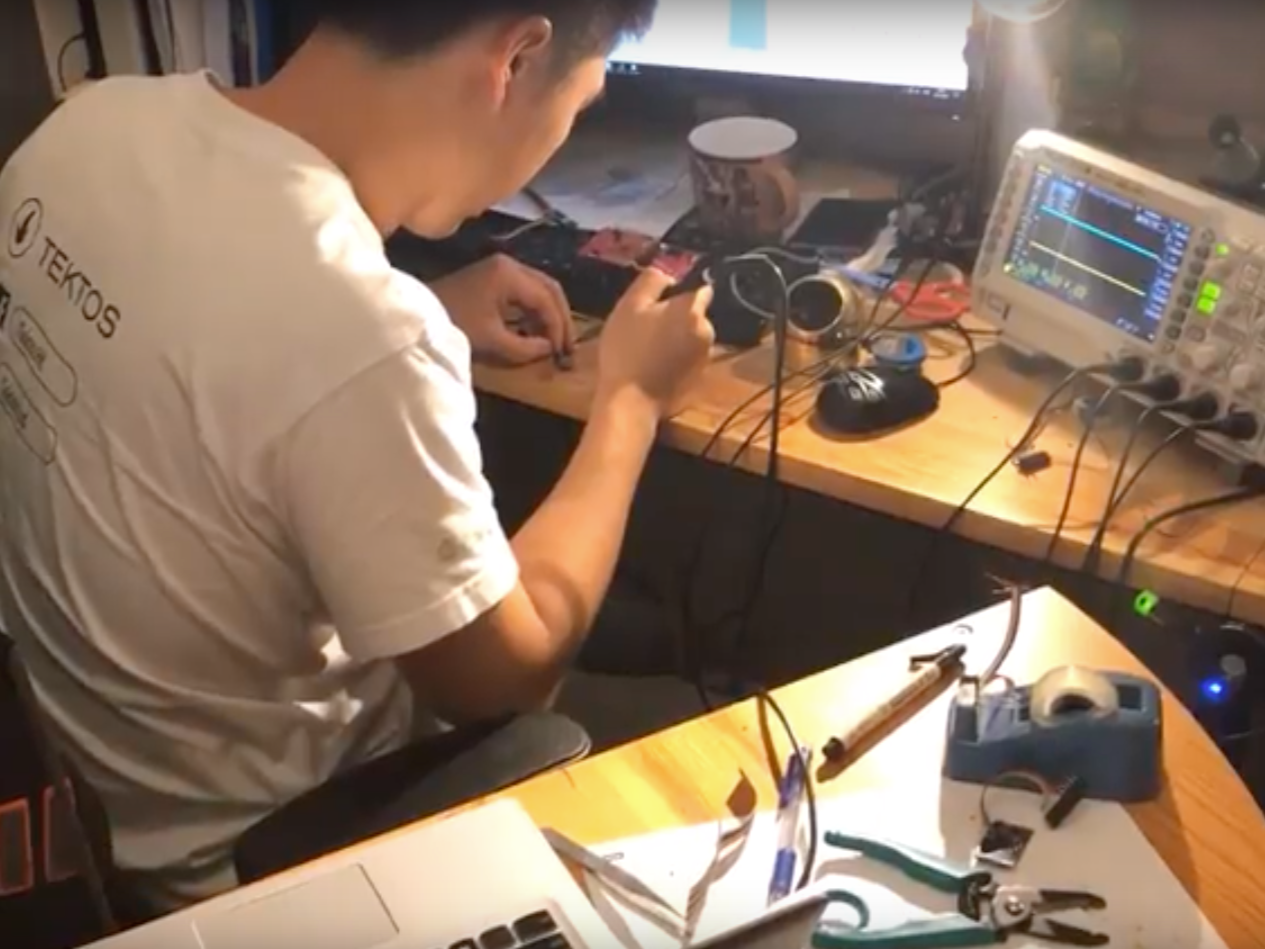
Our electronics team demonstrated deep understanding of power management, designing custom circuits that squeezed every possible hour from the battery while maintaining reliable GPS acquisition and network connectivity. We selected components rated for industrial temperature ranges and designed protection circuits that could survive electrical anomalies. Every trace on the PCB was reviewed for power efficiency, signal integrity, and electromagnetic compatibility.
The firmware development required sophisticated algorithms that balanced competing demands. GPS modules consume significant power during position acquisition, so we implemented intelligent wake/sleep cycles that minimized active time while ensuring adequate location updates. Our code managed Sigfox transmissions efficiently, bundling data to reduce overhead and implementing retry logic that handled temporary network unavailability without draining the battery.
Prototyping and testing went far beyond typical product development cycles. We subjected devices to accelerated life testing—temperature cycling, humidity exposure, vibration, and mechanical shock—simulating years of field use in weeks of laboratory testing. We tested RF performance through various biological materials to model signal transmission through rhino horn. We validated GPS accuracy under tree canopy and in varied terrain. Each test revealed refinements that improved field reliability.
Working with Now Rhino, we navigated certification requirements for wildlife tracking devices and coordinated with Sigfox to optimize network parameters for this specific application. We developed testing protocols that conservation teams could use to validate device function before implantation, reducing the risk of deploying non-functional units.
The project demonstrates our commitment to seeing products through to successful field deployment. We didn't just design and build trackers—we supported the entire implementation process, training conservation teams, troubleshooting early deployments, and refining our design based on real-world feedback. This hands-on approach ensured that technical excellence translated into operational success.
Perhaps most importantly, the Wildlife Animal Tracker reflects our ability to work on projects where failure isn't an option. Whether you're developing medical devices, safety-critical systems, or mission-critical IoT applications, Tektos Ecosystems brings the rigor, attention to detail, and commitment to reliability that these challenges demand.
When you need engineering partners who can deliver sophisticated solutions for difficult problems—partners who understand that some applications require extraordinary reliability and are willing to do whatever it takes to achieve it—Tektos Ecosystems has the expertise, experience, and dedication to make your vision a reality.
That's exactly the kind of work we love. From wildlife conservation to life-saving medical devices, we specialize in engineering solutions for projects where failure isn't an option. Let's talk and see how we can make it happen.