
How to Validate a Product Idea Before Development

Launching a new product without validation is one of the most expensive mistakes founders and product managers can make. Many teams invest months of engineering effort only to discover there is no real market demand.
That’s where product idea validation comes in.
Product idea validation helps you confirm whether your idea is worth building before you commit time, money, and engineering resources. It reduces risk, improves product-market fit, and ensures you’re solving a real problem people care about.
In this guide, you’ll learn how to validate a product idea step-by-step using practical, real-world methods used by successful startups and product teams.
What Is Product Idea Validation?
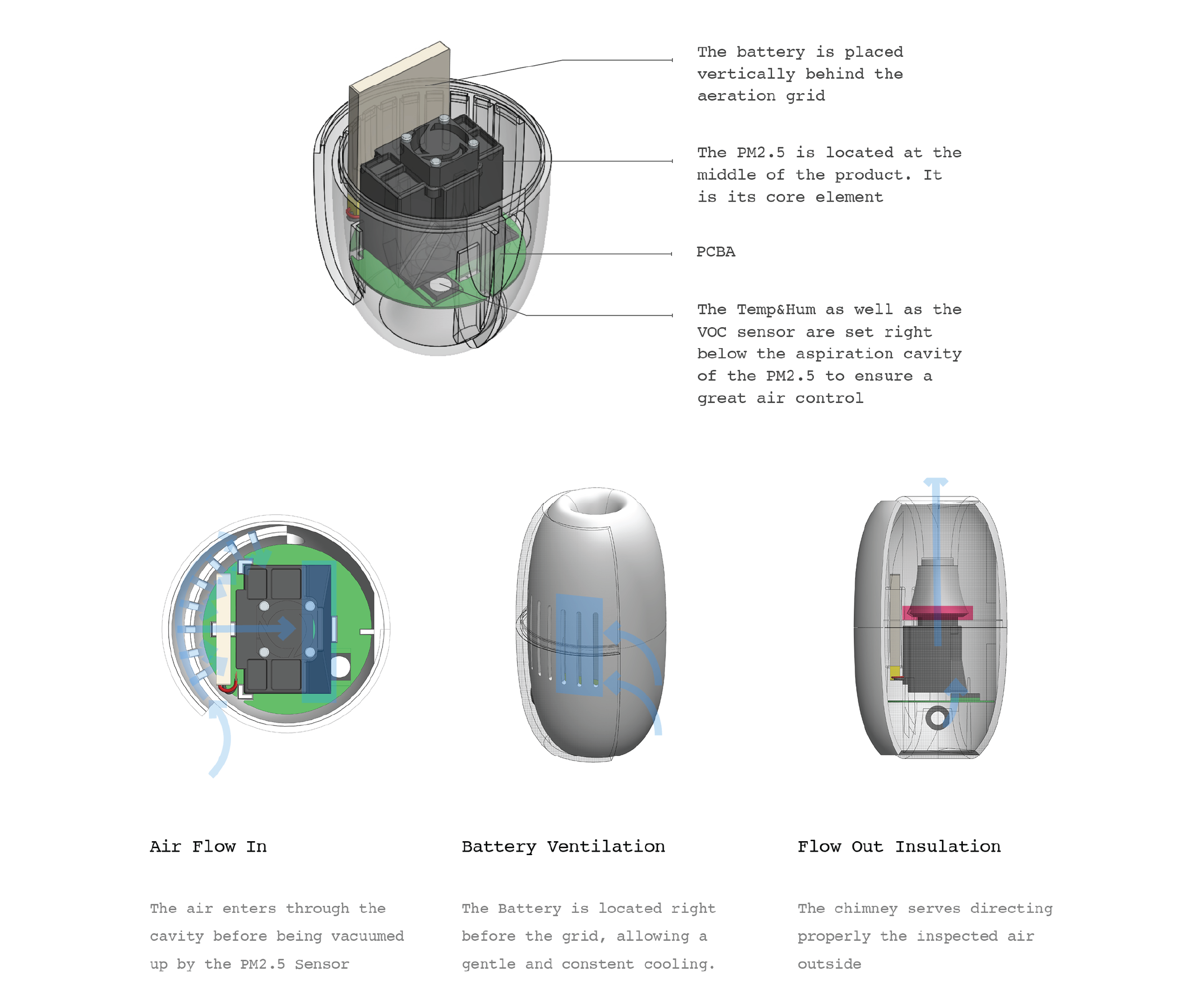
Product idea validation is the process of testing whether a product idea solves a real problem, has market demand, and is worth building before development begins. Through product concept validation and feasibility assessment, businesses can confirm that their idea is viable before committing significant resources.
Instead of relying on assumptions, validation uses real customer feedback, behavioral data, and experiments to answer one critical question: “Will people actually use and pay for this product?”
A typical validation process may include:
Customer interviews
Landing page testing
MVP or prototype testing
Market research and competitor analysis
Example Scenario:
Imagine a startup planning to build a smart IoT home device. Instead of immediately manufacturing hardware, they are first:
Interview target users about pain points
Test interest using a landing page
Validate willingness to pre-order
This ensures they only move forward when demand is proven.
Why Validation Matters
Skipping validation often leads to wasted engineering effort and failed product launches. Early validation helps you build the right product before building anything at all.
Key benefits of product idea validation:
Reduces development costs and rework
Improves product-market fit
Confirms real user demand
Prevents building features nobody needs
Speeds up decision-making for founders and PMs
Real-world scenario:
A startup once spent 6 months building a mobile app based on internal assumptions. After launch, adoption was extremely low.
Another team in the same space spent 2 weeks validating demand through interviews and a landing page. They discovered users wanted a simpler web-based tool instead. They pivoted early and saved months of engineering costs.
Validation is not optional; it is risk control.
To understand how validation fits into execution, see our guide on the full product development process.
Key Validation Methods
There is no single way to validate a product idea. The best approach combines multiple methods depending on your stage.
1. Customer Interviews
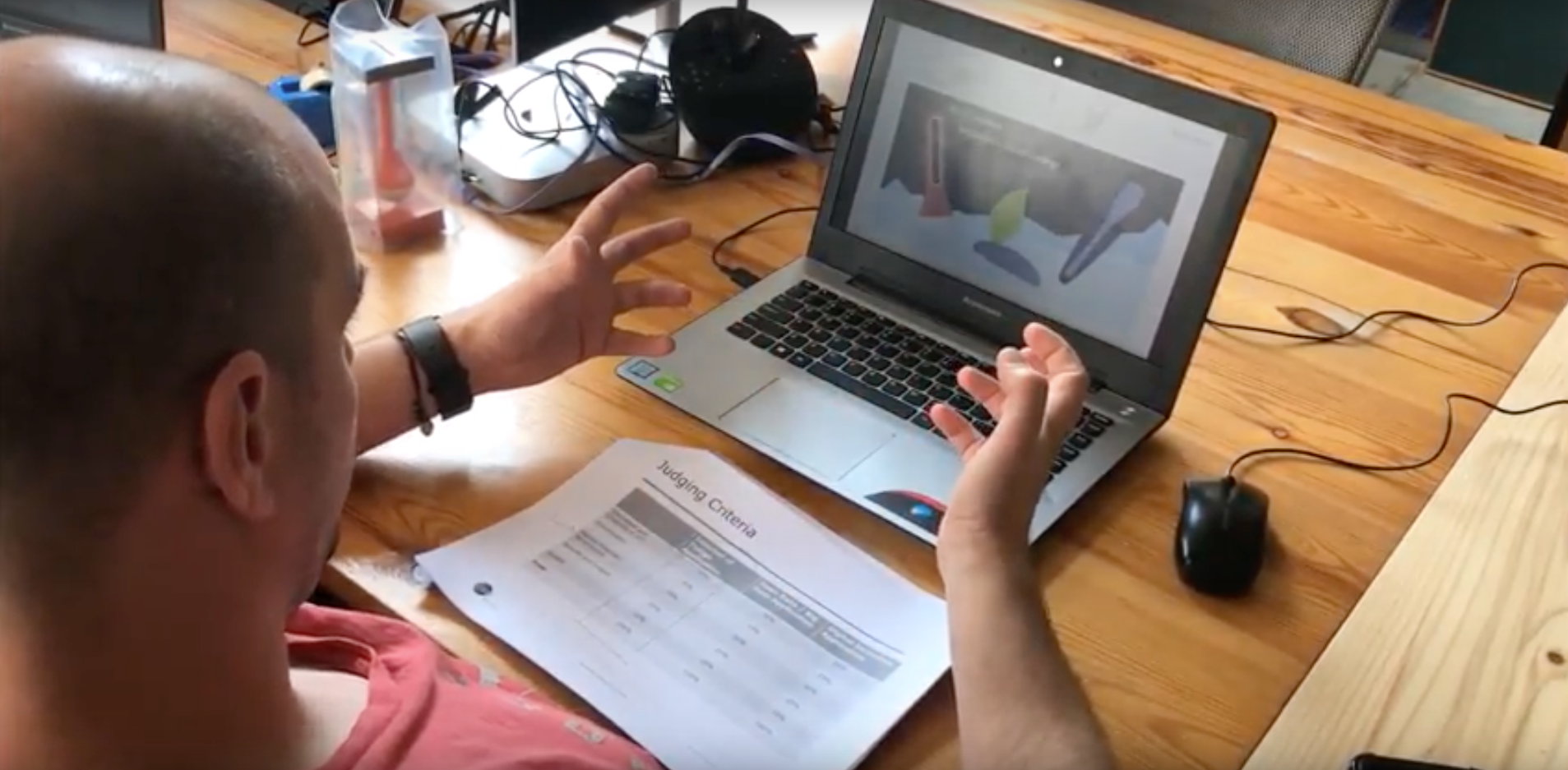
Direct conversations with your target users.
Use when:
You are still in the idea stage
What you learn:
Pain points
Current alternatives
Willingness to pay
Example:
Interviewing logistics managers before building a supply chain optimization tool.
2. Landing Page Testing
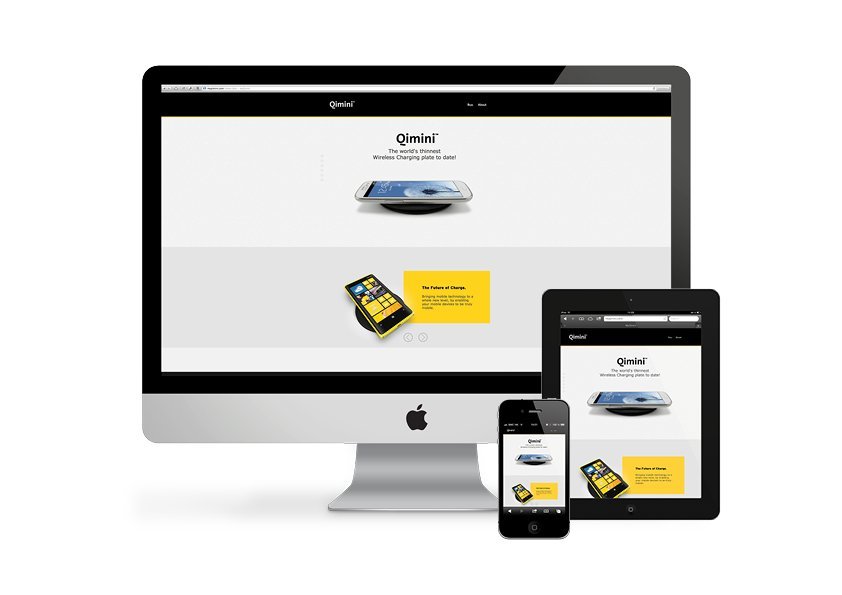
A simple webpage explaining your product and capturing interest.
Use when:
You want fast demand signals
What you measure:
Click-through rates
Email sign-ups
Conversion intent
Example:
Testing demand for a SaaS tool by running ads to a landing page.
3. MVP (Minimum Viable Product)
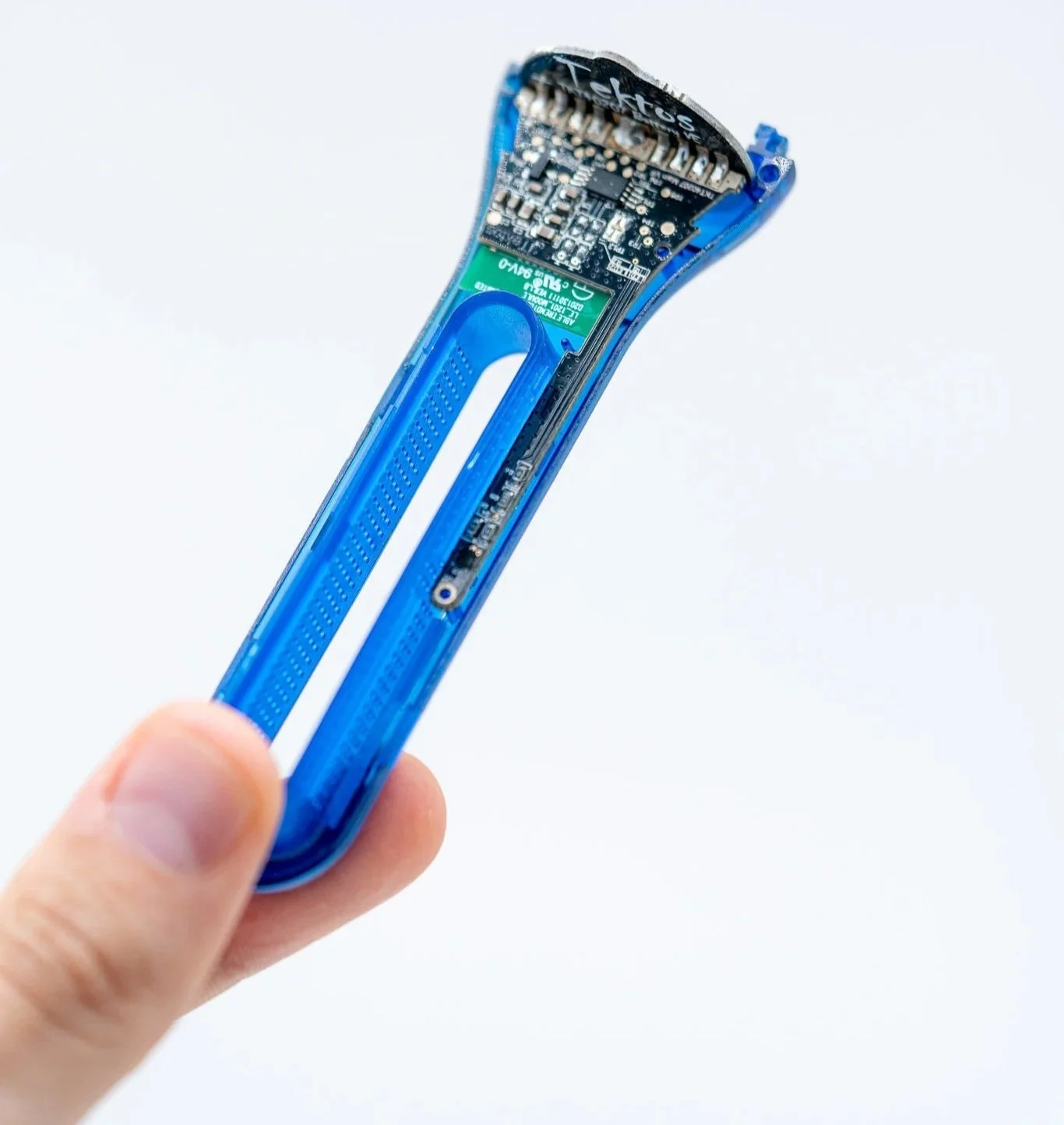
A simplified version of your product with core functionality. For products requiring digital infrastructure, MVP development for connected products helps validate both hardware and software components before full-scale development.
Use when:
You want real usage data
What you validate:
User behavior
Engagement
Retention
Example:
Launching a basic dashboard before building advanced analytics features.
4. Prototype Testing
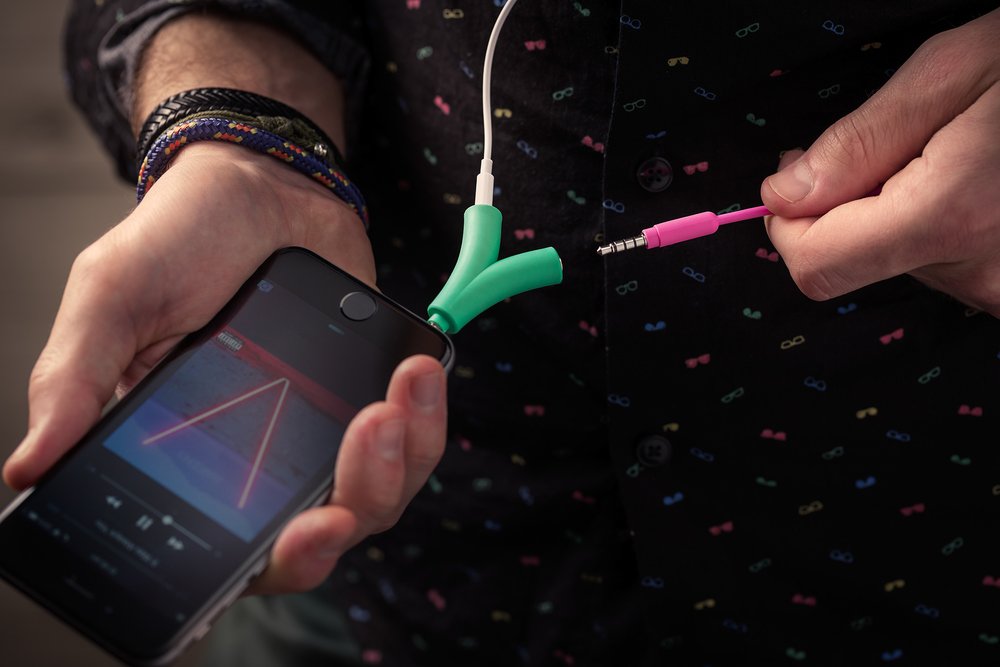
Interactive mockups or clickable designs.
Use when:
You need UX feedback before development
What you learn:
Usability issues
Feature clarity
Example:
Testing a mobile app prototype with potential users before coding begins.
5. Market Research & Competitor Analysis
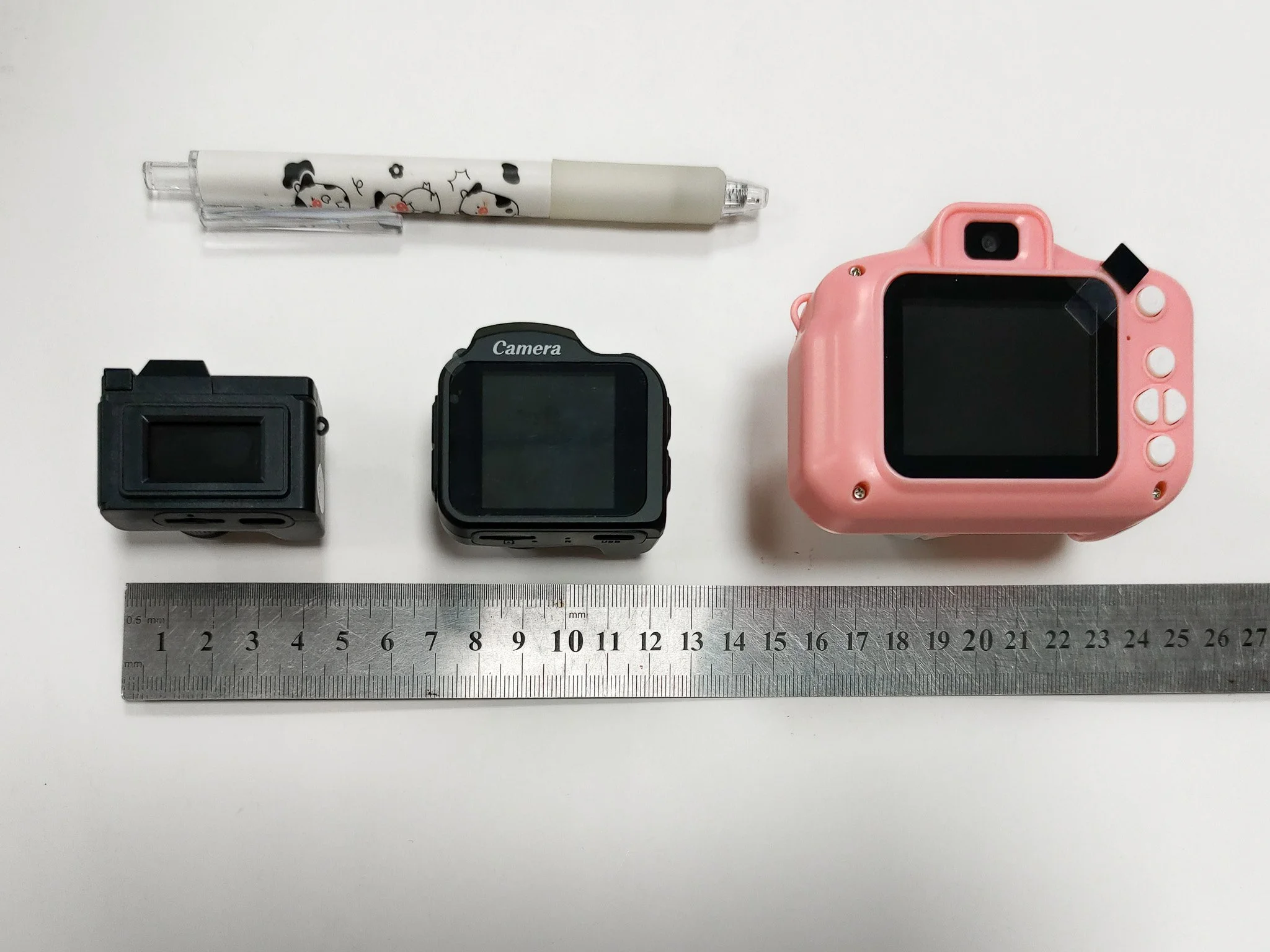
Studying existing solutions and market demand.
Use when:
Entering a known market
What you validate:
Market size
Competition gaps
Positioning opportunities
Signs Your Idea Is Worth Pursuing
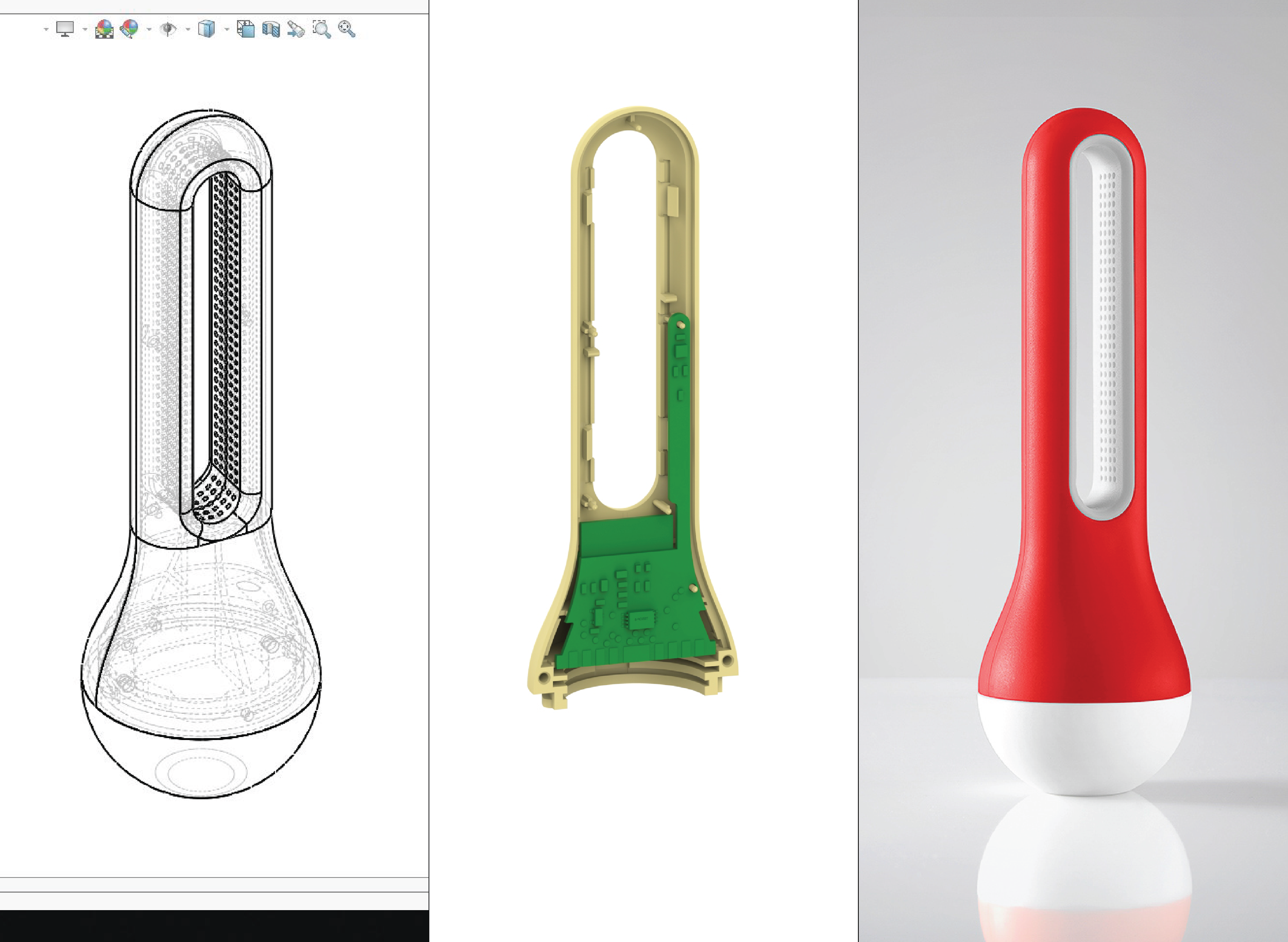
Not every idea deserves to be built. Strong validation signals help you decide when to move forward.
Strong indicators include:
Users actively express the problem without prompting
Repeated demand across multiple interviews
Clear willingness to pay or pre-order interest
High engagement on landing pages or prototypes
Competitors are already generating revenue in the space
Decision rule:
If you observe 3 or more strong signals, your idea may be ready for development.
However, be careful, positive feedback alone is not enough. Always look for behavioral validation, not just opinions.
Common Validation Mistakes
Many teams fail not because of bad ideas, but because of flawed validation.
1. Relying on opinions instead of behavior
People often say they like ideas but don’t act on them.
2. Skipping customer interviews
Without direct user insight, you risk solving the wrong problem.
3. Confusing interest with demand
Clicks and likes are not the same as willingness to pay.
4. Building too early
Starting development before validation leads to expensive pivots.
5. Ignoring negative signals
Disinterest is also valuable data; don’t dismiss it.
FAQs
What is product idea validation?
It is the process of testing whether a product idea has real market demand before building it.
How long does product idea validation take?
It can take anywhere from a few days to a few weeks, depending on the method used.
Can I validate a product idea without building anything?
Yes. Methods like interviews and landing pages allow validation without development.
What is the cheapest way to validate an idea?
Customer interviews and landing page testing are the most cost-effective methods.
Why do startups fail without validation?
Because they build products based on assumptions instead of real user demand.
Validate Before You Build
Building without validation is one of the fastest ways to burn time and budget.
If you’re a founder or product manager working on a new idea, the smartest move is to validate before development begins.
At this stage, structured validation can help you:
Reduce product risk before engineering starts
Identify real user demand early
Avoid building unnecessary features
Improve product-market fit before launch
If you want expert support to validate your product idea and de-risk development, our team can help you move from concept to confidence faster and with fewer mistakes.
Get in touch with our team to validate your product idea before you build.