
Design for Manufacturing (DFM): What It Is and Why It Matters

As products move closer to production, one factor becomes increasingly important: manufacturability. Design for Manufacturing (DFM) is the process of optimizing a product’s design so it can be produced efficiently, cost-effectively, and at scale. Without it, even well-designed products can face delays, quality issues, and rising costs during manufacturing.
Many companies overlook DFM until the later stages of development, only to discover that their designs are too complex or expensive to produce. This often leads to redesigns, extended timelines, and increased budgets. By integrating DFM early into the product development process, businesses can avoid these challenges and create products that are both functional and production-ready.
DFM is not just about simplifying designs; it’s about making smart decisions that align engineering, materials, and manufacturing processes. It ensures that every component, feature, and material choice contributes to a smoother production process.
In this guide, we at Tektos Ecosystems will explain what DFM is, why it matters, and how it can significantly improve your product development outcomes.
What is DFM?
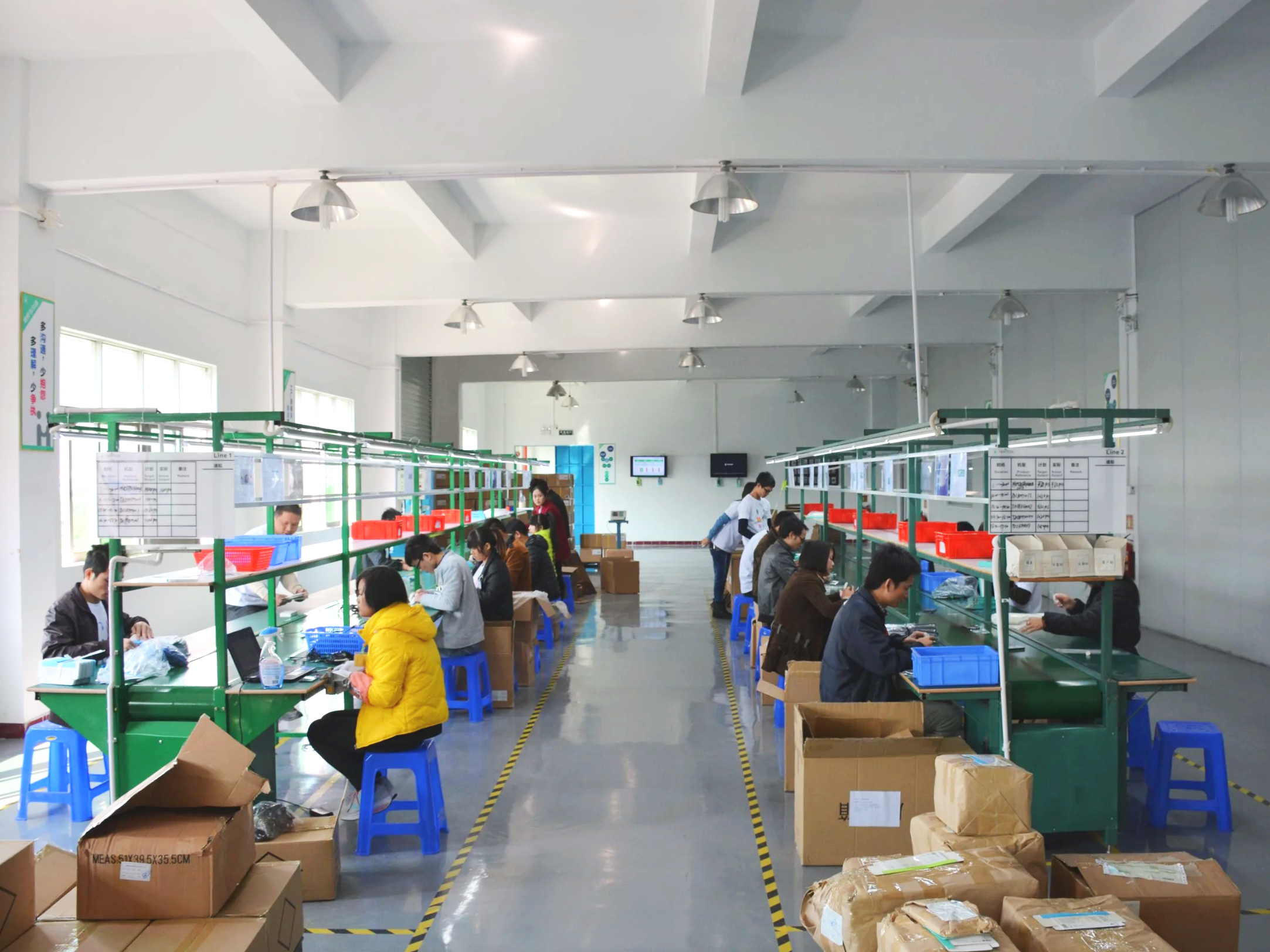
Design for Manufacturing (DFM) is the practice of designing a product for modular manufacturing, so it can be produced efficiently, consistently, and at the lowest practical cost.
A product can look great in CAD, function properly in a prototype and still be incredibly difficult to manufacture. That’s often where teams run into trouble.
The goal of Design for Manufacturing (DFM) is to bridge the gap between product design and production. It means thinking beyond how a product looks or functions and considering how it will actually be made through integrated design engineering and manufacturability planning.
It means thinking beyond how a product looks or functions and considering how it will actually be made.
One of the biggest misconceptions about the DFM process is that it happens at the end. It doesn’t. DFM should begin during concept development long before tooling starts.
As the design becomes more detailed, DFM becomes more. Waiting until the final design phase often means discovering problems when changes are most expensive.
When DFM is done well, the payoff shows up in ways you can measure:
Lower manufacturing costs through smarter parts and cleaner processes
Better quality because there's less room for things to go wrong
Faster launches with fewer surprise revisions
Easier scaling when volumes start to grow
Why DFM Matters
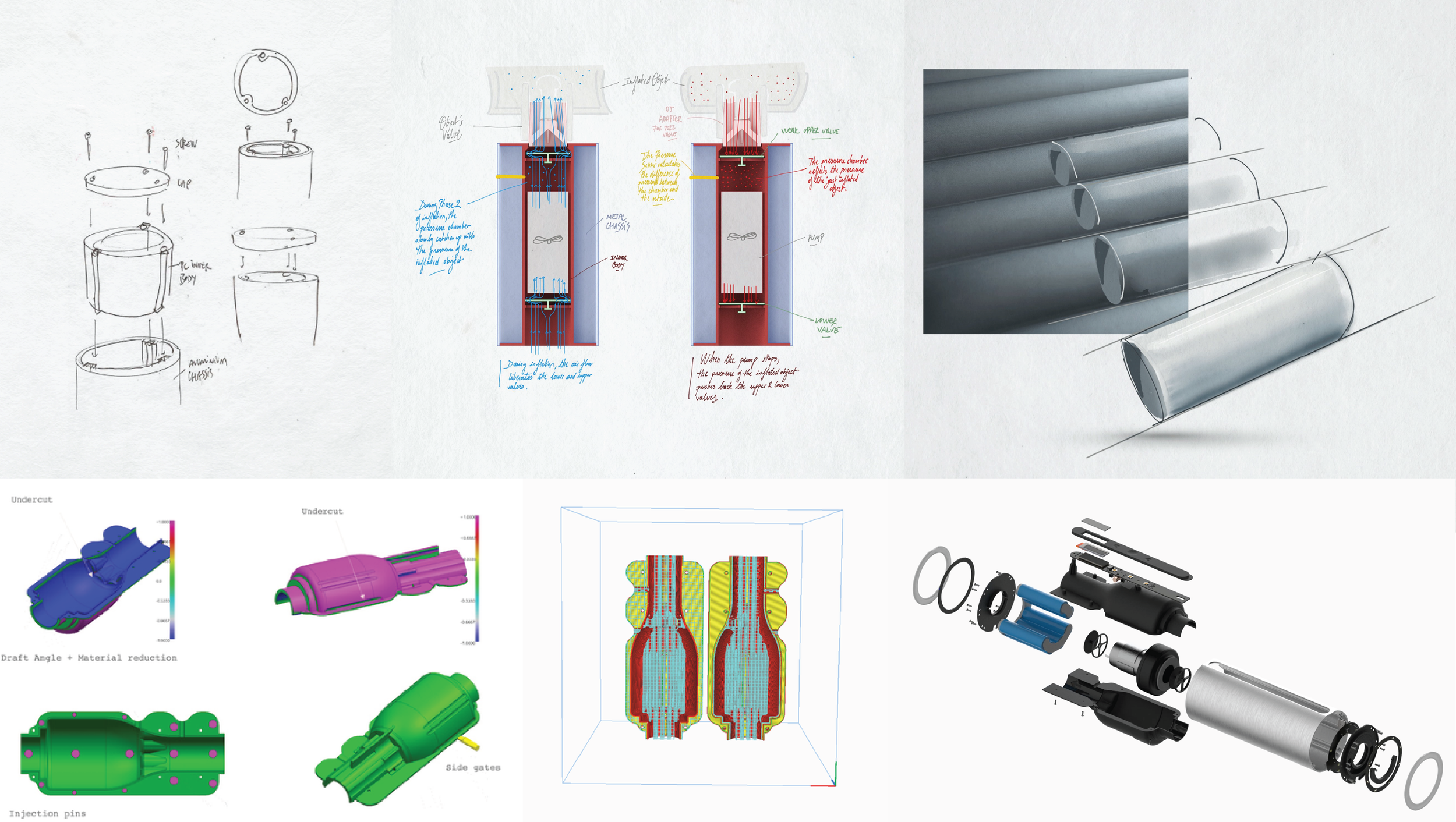
DFM matters because it affects the three things every hardware team loses sleep over: cost, quality, and time.
From a cost perspective, DFM helps identify unnecessary complexity before it becomes expensive. Simplifying parts, reducing assembly steps, and choosing practical materials can significantly reduce manufacturing costs.
From a quality standpoint, simpler designs are usually more reliable to produce. Fewer variables mean fewer defects.
And from an operational perspective, efficient designs move faster through production, which improves delivery timelines and makes scaling easier. Strong manufacturing readiness and production efficiency reduce risks by making manufacturing part of the design conversation from the beginning.
For startups especially, this matters even more. A delayed launch or unexpected tooling revision can impact budgets, investor timelines, and market opportunities.
DFM helps reduce those risks by making manufacturing part of the design conversation from the beginning.
Key Principles
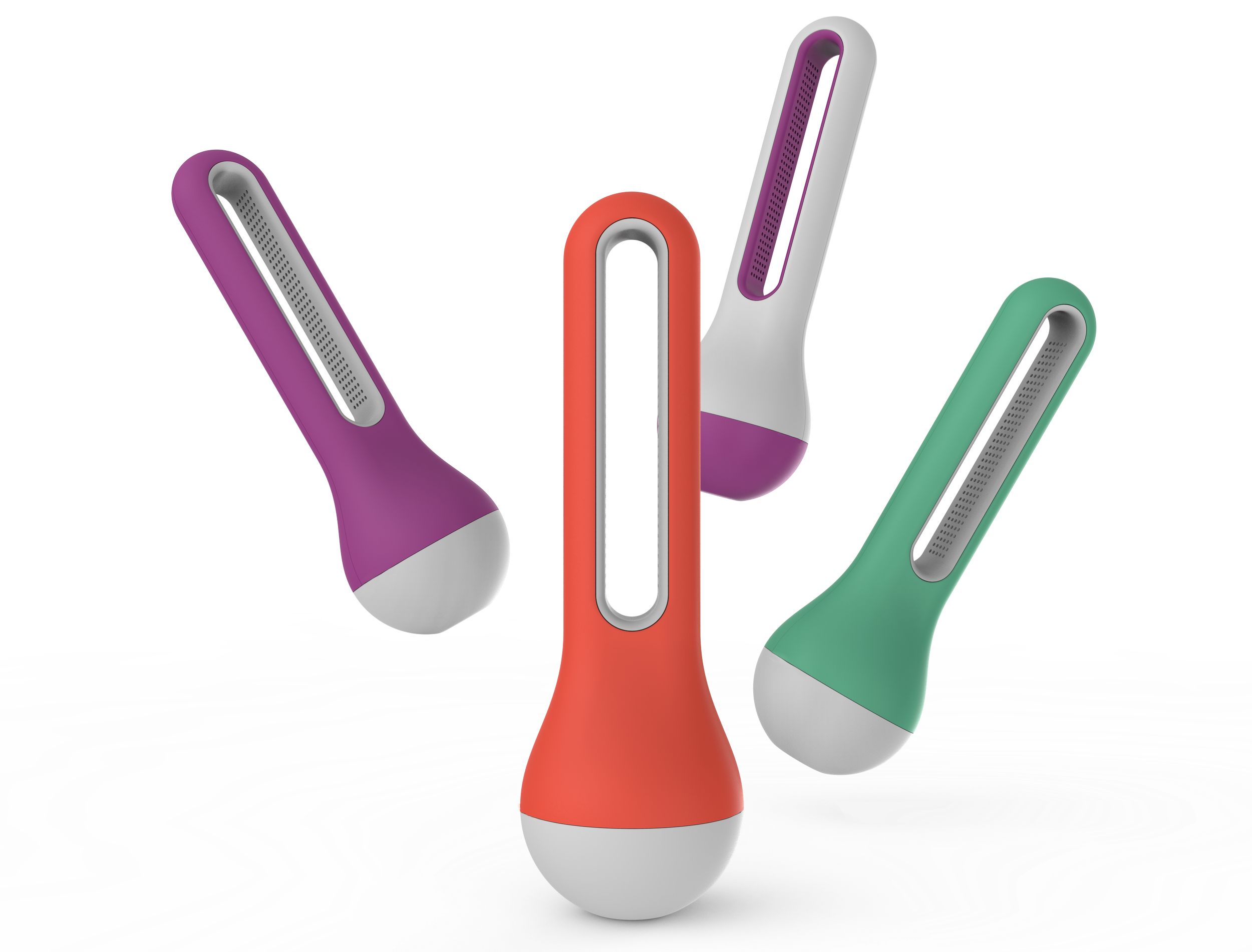
Strong DFM comes down to a handful of principles that guide the decisions you make along the way. Here are the DFM Principles every engineering team should keep in mind:
1. Simplify the Design
The more parts a product has, the more opportunities there are for errors, delays, and added costs.
Reducing part count through smart mechanical engineering is one of the easiest ways to improve manufacturability. Fewer components usually mean simpler assembly, fewer suppliers, and lower tooling complexity.
A good question to ask: Can two parts become one?
2. Standardize Components
Custom parts can solve specific problems, but they also add cost and sourcing complexity.
Using standard, off-the-shelf components where possible helps reduce lead times and improve supply chain flexibility. It also makes replacements easier down the road.
Standardization creates stability.
3. Design for the Right Manufacturing Process
A pre-production prototype is where the product starts to closely resemble the final version in both design and function.
The focus is no longer on testing the idea, but on checking how the real product will perform before full production starts.
The parts are usually made using production-ready designs, but some components may still be made through rapid prototyping methods like 3D printing, CNC machining, or casting.
For products with electronics, this is also when the first low-volume PCB boards are tested through electronic engineering validation, firmware is installed, and core functions are checked to make sure everything works properly.
This is also to validate both the product and the production process. It helps find problems like fitting issues, design mistakes, material limits, or assembly challenges early.
4. Avoid Unnecessary Tight Tolerances
Tight tolerances can dramatically increase production costs.
Unless precision is critical to function, avoid specifying tolerances tighter than necessary. More precision means slower production and more inspections.
The goal is functional accuracy, not perfection for its own sake.
5. Design for Easy Assembly (DFA)
Even if every part is easy to manufacture, assembly can still become a bottleneck.
Think about how parts fit together. Are they intuitive to orient? Easy to fasten? Suitable for automation?
Small assembly improvements can create major production efficiencies.
6. Choose Materials Carefully
Material decisions affect everything—cost, performance, lead time, and manufacturability.
The strongest or most advanced material isn’t always the best option. The right material is the one that balances performance with production efficiency.
Practicality matters.
7. Build in Testing and Inspection
Quality assurance becomes much easier when products are designed for it.
Adding test points, access areas, or inspection-friendly features can speed up QA and reduce defects.
Testing shouldn’t feel like an extra step; it should feel built into the product.
Common Mistakes
Even experienced teams make DFM mistakes not because they lack technical skill, but because manufacturing considerations often get pushed too far down the process.
Here are some of the most common ones:
1. Applying DFM Too Late
This is probably the most expensive mistake.
Teams finalize the design, approve prototypes, and then start thinking about manufacturability.
By then, making changes can mean redesigning parts, adjusting tooling, or delaying production.
How to avoid it:
Bring manufacturing into the conversation during concept development, not after engineering is complete.
2. Over-Engineering Features
It’s easy to add extra features or specify ultra-precise tolerances “just in case.”
But unnecessary complexity adds cost fast.
Complex geometries, cosmetic features, and excessive precision can all slow production and increase rejection rates.
How to avoid it:
Challenge every feature. If it doesn’t improve function, simplify it.
3. Ignoring Supplier Limitations
Not every factory can make every design efficiently.
Part might be technically manufacturable but not with your chosen supplier’s tools, materials, or capabilities.
That mismatch creates delays and compromises.
How to avoid it:
Validate supplier capabilities early and design around their strengths.
4. Poor Team Communication
DFM often breaks down when design, engineering, and manufacturing teams work in silos.
Designers may optimize for aesthetics. Engineers may optimize for performance. Manufacturers optimize for efficiency.
Without alignment, conflicts show up later.
How to avoid it:
Create regular review points where all teams evaluate the design together.
Most DFM problems aren’t caused by bad ideas. They’re caused by disconnected decisions.
How TEKTOS Applied DFM
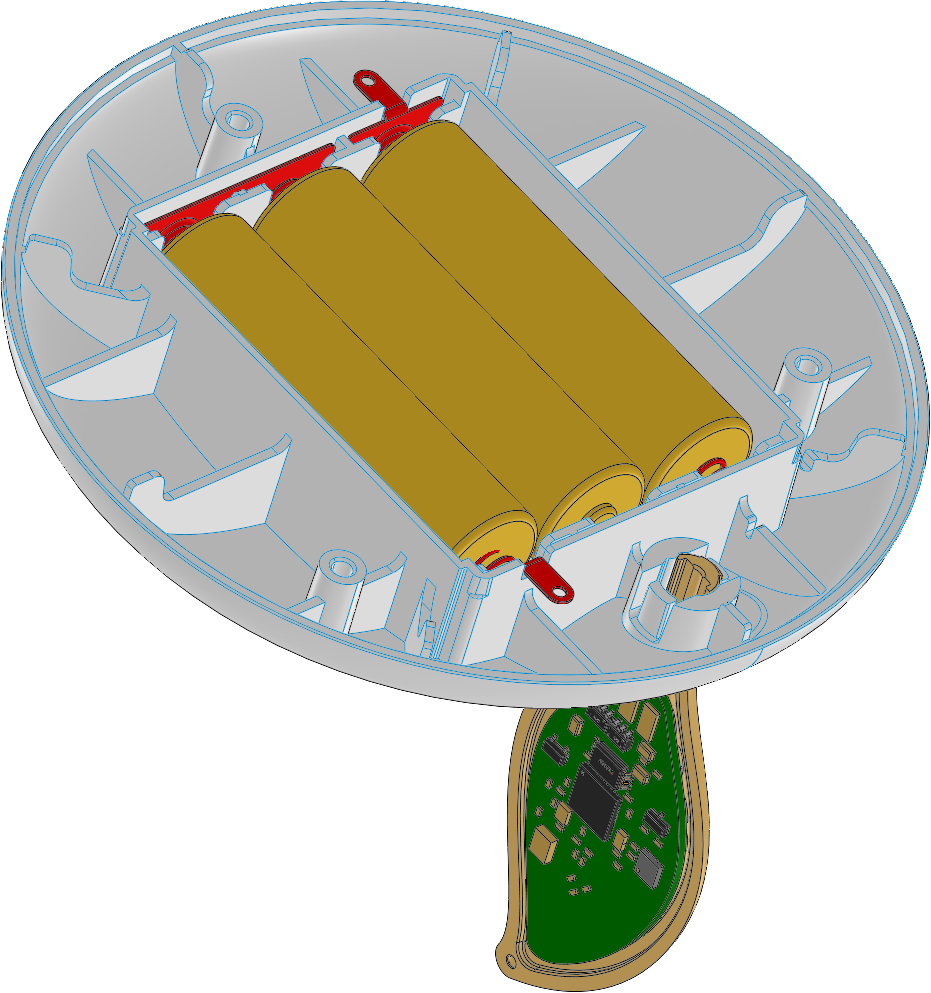
TEKTOS approaches Design for Manufacturing (DFM) as part of the product development process from day one, not as a final review before production.
As a full-service hardware development partner, we work across industrial design, engineering, and manufacturing to make sure products are designed with real-world production in mind from the beginning.
Here’s how our team applies DFM:
Early cost visibility
We evaluate design decisions early to identify cost drivers before they affect tooling or production budgets.
Cross-functional collaboration
Industrial design, mechanical engineering, electrical engineering, and manufacturing teams work together throughout development to reduce handoff issues.
Supplier-informed design decisions
Through a vetted supplier network across Shenzhen, China, we align product design with actual manufacturing capabilities.
Structured DFM reviews before tooling
Before tooling investment, our team focused on DFM reviews to reduce risk and improve production efficiency.
In one recent smart home device project, we helped reduce part count by 30% by simplifying internal assemblies early in development, cutting tooling costs, and shortening the production timeline.
If you’re preparing to move from prototype to production, contact us to review your product’s manufacturability.
FAQs
-
Ideally, DFM starts during concept development. The earlier manufacturability is considered, the easier it is to improve cost, quality, and efficiency.
-
Actually, it's usually the opposite. DFM does take a bit of extra thought upfront, but it prevents the much bigger costs of rework, tooling changes, scrap, and production delays. Most teams see lower unit costs and faster launches when they prioritize it.
-
Not at all. DFM helps at every scale.
For small batches, it keeps prototypes affordable and realistic.
For high-volume production, it unlocks serious savings across materials, labor, and tooling.
No matter the volume, thinking about how something gets made always pays off.