Product Reliability Testing in Extreme Conditions
Creating a product that works well the first time is straightforward. However, making one that performs reliably after years of extreme heat, cold, humidity, and rough handling is where real engineering stands out.
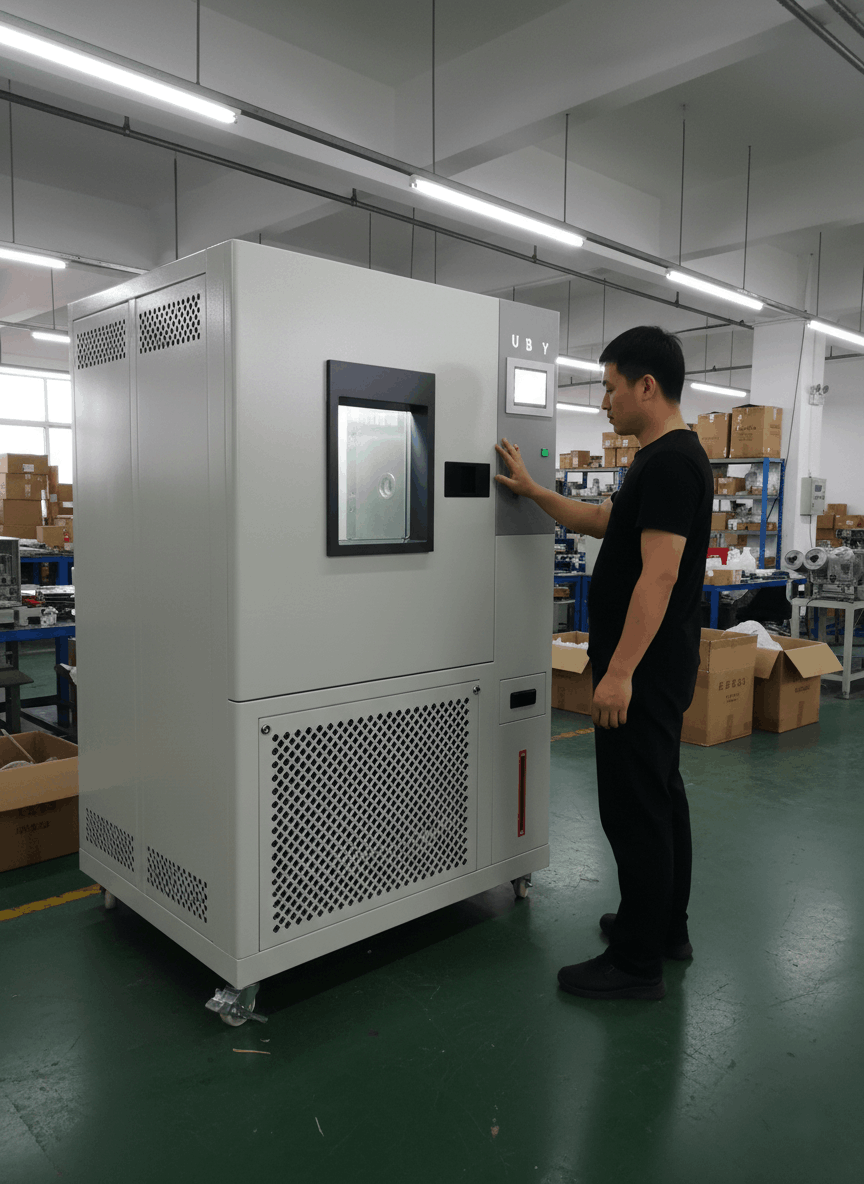
In our environmental chamber, we simulate all the challenges nature can impose on a product. We recreate sudden cold blasts, extreme heat, high humidity, and low-pressure transport conditions. This allows us to speed up the aging process of the product and identify its weaknesses long before customers encounter them.
We expose devices to extreme temperature changes, from freezing cold to intense heat. We monitor how each component reacts at every stage. Batteries, plastics, sensors, adhesives, and seals behave differently under stress, so we track signs of deformation, chemical expansion, sensor drift, wireless performance, and even how the enclosure reacts to heat. We run these tests repeatedly to mimic years of normal use in just a few days.
Real-life environments usually exceed design limits. Devices are left in cars, used outdoors, shipped through various climates, and stored in humid conditions. When a product fails in these situations, users blame the brand, not the weather. Our testing guarantees your product performs reliably, no matter where it ends up.
Understanding Long-Term Material Behavior
Extreme environments don’t just challenge electronics—they stress every material in the product. Plastics can warp, metals can fatigue, adhesives can lose strength, and seals can shrink or swell.
Our testing monitors these effects over time, not just immediately after exposure. By observing gradual changes, we can predict potential failures years before they would naturally occur, ensuring your product continues to perform as expected in real-world conditions.
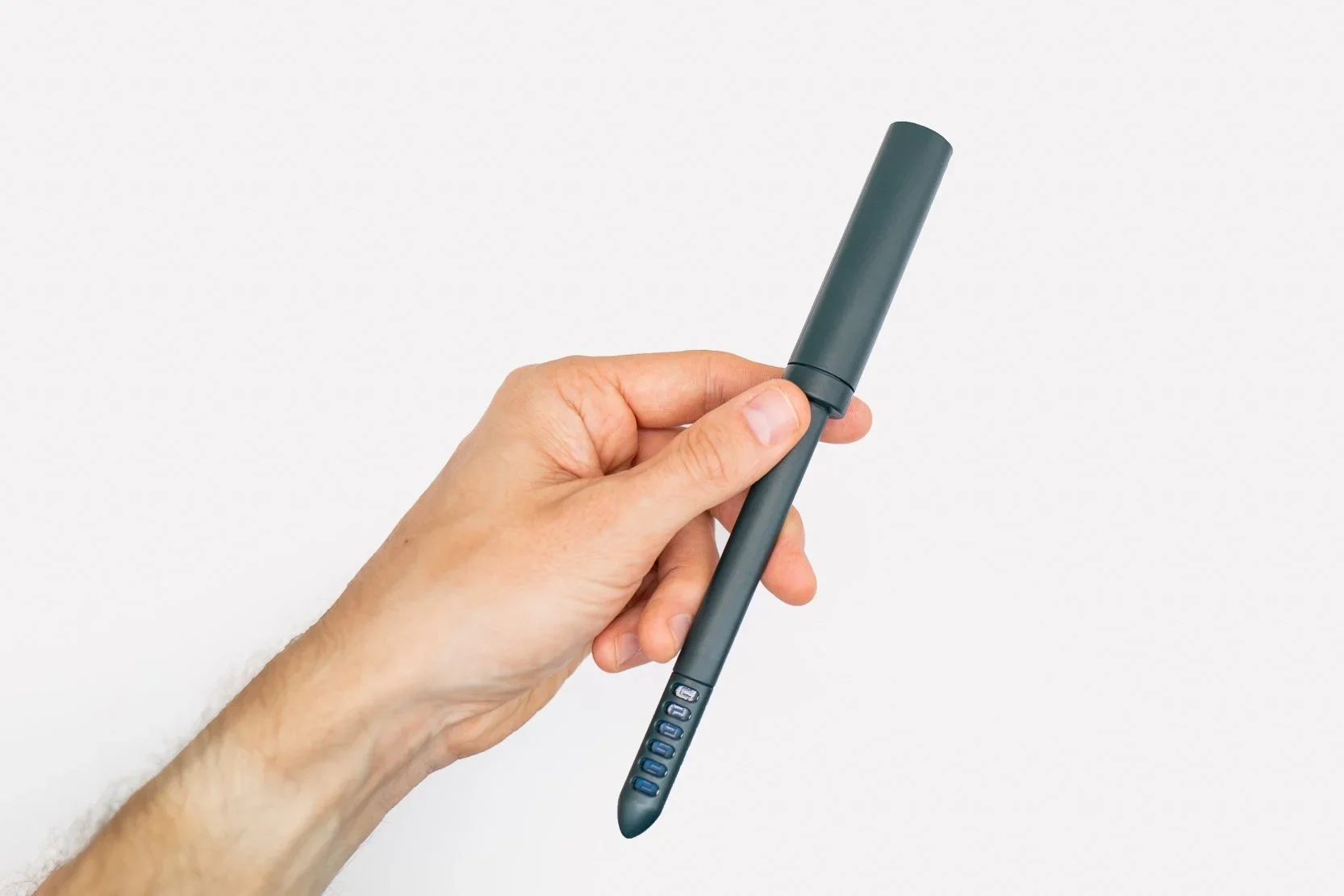
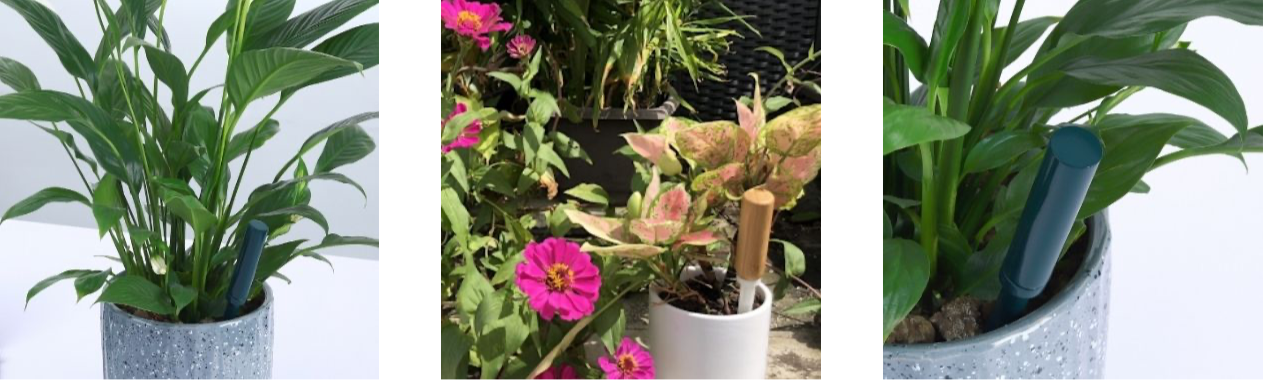
In the video, we’re testing the iBebot SoilQuality Sensor, which is built for everyday use in gardens, greenhouses, and similar environments. Since it's often exposed to changing weather and moisture levels, we want to make sure it holds up under those conditions.
This test helps us confirm that the sensor continues to function reliably and give accurate readings even when the temperature and humidity aren’t exactly ideal.